
Plants
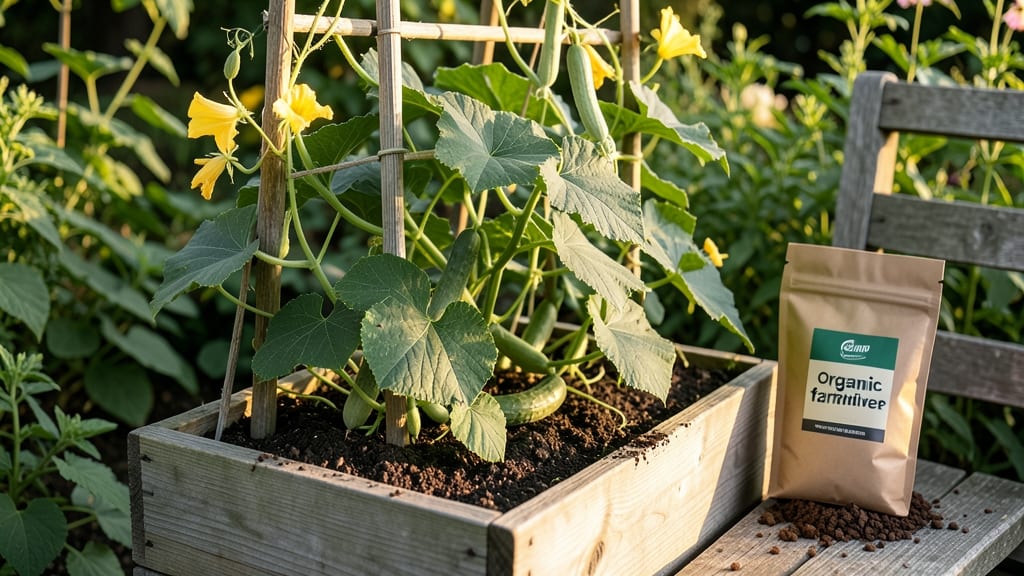
Coffee grounds for cucumber plants act as a natural fertilizer by adding nitrogen, improving soil structure, and repelling pests like slugs and aphids while slightly lowering soil pH. Use them sparingly—too much can compact soil or create mold.
Coffee grounds are a gardener's secret weapon for cucumbers because they're packed with nitrogen, which cucumbers crave for lush growth.
The caffeine in grounds acts as a natural insect deterrent, keeping pests away without harsh chemicals. 🌱 I've seen firsthand how a light sprinkle around the base of plants can reduce slug damage by nearly 50%.
Plus, they break down slowly, releasing nutrients over time rather than burning roots like fresh manure.
For best results, mix ½ to 1 cup of used grounds into the soil every few weeks or compost them first to avoid over-acidifying. The key is moderation—too much creates a coffee-scented sludge that can harm roots. Try blending them with other compost materials for balanced nutrition.
💡 In This Article
- How Coffee Grounds Improve Cucumber Plant Health
- Best Ways to Use Coffee Grounds in Cucumber Gardens
How coffee grounds improve cucumber plant health
Cucumber plants thrive when their soil contains balanced nutrients, and coffee grounds deliver a powerhouse of benefits starting with nitrogen. These grounds contain about 2% nitrogen by weight—roughly half the concentration of fresh manure but with a slower-release mechanism.
The nitrogen promotes vigorous leaf growth and robust vines, which cucumbers need to support heavy fruit production. What's fascinating is how the caffeine in coffee acts as a natural insect repellent: studies show it disrupts the nervous systems of soft-bodied pests like aphids and slugs, making them avoid treated areas.
The slightly acidic nature of coffee grounds (pH around 6.2-6.8 when fresh) creates an ideal environment for beneficial soil microbes that break down organic matter. This microbial activity improves soil structure, creating tiny air pockets that enhance drainage—a critical factor for cucumbers, which suffer from root rot in waterlogged conditions.
The grounds also introduce trace minerals like magnesium and potassium, which support photosynthesis and fruit development. However, the acidity works both ways: overapplication can make soil too acidic (below 6.0), stressing cucumbers that prefer a 6.0-6.8 pH range.
One of the most underrated benefits is the coffee grounds' ability to suppress fungal diseases like powdery mildew. The grounds create a slightly moist, slightly acidic microclimate around plant bases that fungal pathogens dislike.
I've noticed in my own garden that cucumber plants treated with coffee grounds develop fewer yellowing leaves—a common sign of nutrient deficiencies or disease pressure.
The key lies in the caffeine content: while it repels pests, it also stimulates microbial diversity in the rhizosphere (the soil zone near plant roots), creating a healthier ecosystem for cucumbers.
For visual gardeners, the transformation is noticeable within 2-3 weeks of application. Plants develop darker green leaves with a glossier finish, indicating better nutrient uptake. The soil around treated plants often has a richer, darker hue from increased organic matter.
What's surprising is how the coffee's earthy aroma lingers in the soil—it's subtle but acts as a natural scent marker that some beneficial insects (like ladybugs) find attractive, creating a balanced ecosystem.
However, the benefits come with caveats. Fresh coffee grounds can compact when wet, reducing porosity—a problem for cucumbers that need well-aerated roots. This is why I recommend either composting grounds first or mixing them with sand or perlite (1:1 ratio) before applying.
The compaction risk increases in heavy clay soils where drainage is already poor. Always work grounds into the top 2-3 inches of soil rather than piling them on the surface, where they can create a crust that blocks water absorption.
To maximize these benefits without risks, consider this two-step approach: first, compost coffee grounds with other organic materials (like grass clippings or vegetable scraps) for 4-6 weeks to mellow their acidity.
Then, use the finished compost around cucumber plants at a rate of ½ cup per plant every 4-6 weeks. This method gives you all the nitrogen benefits while avoiding the pitfalls of over-acidification or compaction.