
Planting
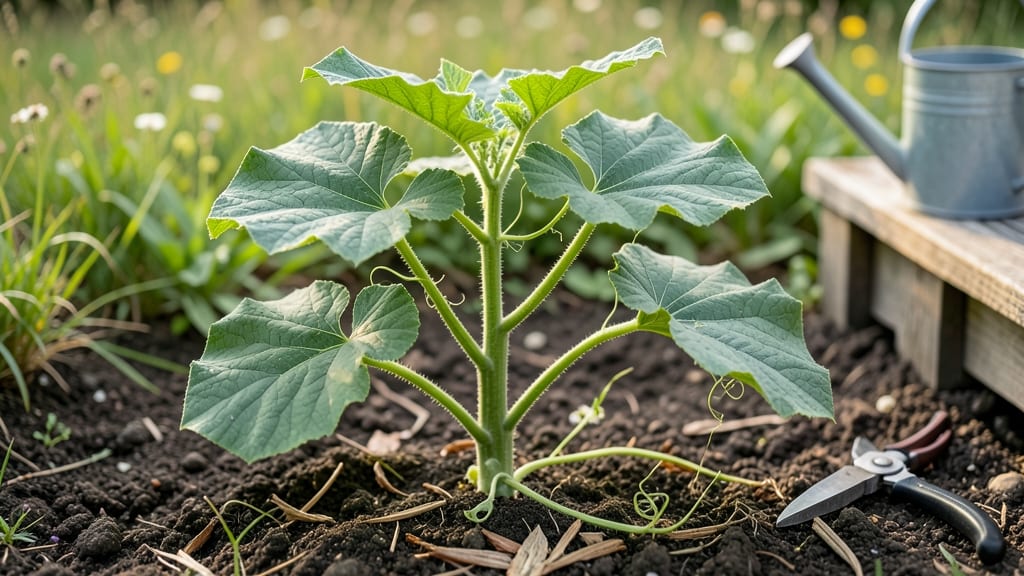
The delicate young cucumber plant leaves you spot first are edible—and packed with a peppery zing that makes them a culinary secret. 🌱 I’ve harvested them for salads and stir-fries, but they’re also a warning sign: their condition often reveals what’s wrong with your plant before the vines even appear.
Yellowing? Crispy edges? Sticky spots? Each symptom points to a fixable issue, and acting early saves your harvest.
Most problems start with watering woes—either too much (soggy soil = rot) or too little (wilting leaves). Nutrient deficiencies show as pale yellowing between veins, while powdery mildew leaves a white, flour-like dust.
Even pests like aphids cluster on undersides, sucking sap and leaving curled, sticky leaves behind. The good news? All of these have simple, organic solutions—no chemicals needed.
With the right adjustments, those leaves will bounce back stronger, and your cucumbers will thrive. Prune damaged foliage, adjust your watering schedule, and treat fungal spots with a baking soda spray (1 tsp per quart of water).
Within days, you’ll see fresh, vibrant growth—and a head start on a bountiful harvest.
Bonus: Keep those young leaves coming by harvesting them regularly. They’re a free, nutrient-packed snack, and removing them encourages the plant to focus on producing vines and fruits. It’s a win-win for your plate and your garden.
Understanding Leaf Stress Signals
Young cucumber plants often send distress signals through their leaves—yellowing, curling, or wilting—before you even notice the roots or stems are struggling.
These visual cues are your plant’s way of saying, "Something’s wrong!" Let’s break down the real culprits behind why your cucumber leaves might be acting up, so you can diagnose and fix the issue before it spreads.
Cucumber plants hate soggy feet. When soil stays too wet for too long, roots suffocate from a lack of oxygen, leading to root rot—a fungal infection that cuts off nutrient and water uptake.
Without proper drainage, excess moisture also triggers nutrient leaching, washing away essential minerals like nitrogen, potassium, and magnesium.
Why it happens:
- Compacted or clay-heavy soil holds water like a sponge, never drying out.
- Overzealous watering (especially on a schedule without checking soil moisture) drowns roots.
- Lack of organic matter (like compost) prevents soil from aerating properly.
Actionable fix:
- Test soil moisture by sticking your finger 1-2 inches deep—water only if it’s dry.
- Amend soil with perlite, sand, or coconut coir to improve drainage.
- Use raised beds or containers if your garden soil is naturally dense.
Cucumbers are heavy feeders, and young plants need a balanced diet of nitrogen (N), phosphorus (P), and potassium (K) to grow lush, vibrant leaves. When one or more of these nutrients are missing, leaves show distinct symptoms that act as a diagnostic tool.
| Deficiency | Leaf Symptoms | Common Causes |
|---|---|---|
| Nitrogen (N) | Pale yellow leaves (chlorosis), stunted growth | Overwatering, poor soil, or exhausted nutrients |
| Magnesium (Mg) | Yellowing between leaf veins (interveinal) | Acidic soil, over-fertilizing with nitrogen |
| Potassium (K) | Brown leaf edges, weak stems | Sandy soil, drought stress, or poor root health |
| Iron (Fe) | Yellowing new leaves (young leaf chlorosis) | Alkaline soil (pH > 7.0), compacted roots |
Why it happens:
- Soil depletion after multiple harvests without replenishment.
- Improper pH levels (cucumbers thrive in 6.0–6.8 pH; above 7.0 locks out iron and manganese).
- Over-fertilizing with synthetic N without balancing other nutrients.
Actionable fix:
- Conduct a soil test (kits are affordable and precise).
- Apply balanced organic fertilizer (like 5-5-5 or compost tea) at planting and mid-season.
- For magnesium, use Epsom salt (1 tbsp per gallon of water, sprayed on leaves).
- Adjust pH with sulfur (to lower) or lime (to raise) if needed.
Tiny invaders like aphids, spider mites, and cucumber beetles suck sap from leaves, causing:
- Stunted growth (aphids excrete honeydew, attracting sooty mold).
- Speckled or chewed leaves (beetles and caterpillars).
- Yellowing or curling (mites pierce cells, disrupting photosynthesis).
Why it happens:
- Weak young plants are easy targets for pests.
- Monoculture gardening (planting cucumbers in the same spot yearly) attracts pests.
- Lack of beneficial insects (like ladybugs or lacewings) to keep populations in check.
Actionable fix:
- Handpick pests early (drop them in soapy water).
- Spray neem oil (1 tsp per quart of water) for a natural deterrent.
- Introduce companion plants like nasturtiums or marigolds to repel beetles.
- Use row covers to block flying pests until plants are established.
Cucumbers are sensitive to extremes—whether it’s scorching sun, freezing temps, or sudden temperature swings. Leaves react by:
- Wilting or drooping (heat stress or underwatering).
- Brown, crispy edges (sunburn or high winds).
- Pale, weak growth (cool nights slow metabolism).
Why it happens:
- Inconsistent watering (drought stress followed by sudden watering causes shock).
- Late frosts or early cold snaps (below 50°F stunts growth).
- Intense afternoon sun (young leaves lack protective wax coating).
Actionable fix:
- Mulch heavily (straw or grass clippings) to regulate soil temp.
- Provide afternoon shade (use shade cloth if temps exceed 90°F).
- Water deeply in the morning to reduce evaporation.
- Extend the season with row covers in spring/fall.
Fungal, bacterial, or viral diseases often start with leaf discoloration, spots, or unusual patterns. Common culprits include:
- Powdery mildew (white, powdery patches on upper leaves).
- Downy mildew (yellow spots on top, fuzzy gray undersides).
- Bacterial leaf spot (water-soaked brown spots with yellow halos).
Why it happens:
- High humidity + poor airflow (crowded plants or dense foliage).
- Splashing water during overhead irrigation spreads spores.
- Contaminated tools or soil (reusing pots without sterilizing).
Actionable fix:
- Prune for airflow (remove crowded leaves or vines).
- Water at the base (avoid wetting foliage).
- Apply copper fungicide (preventative spray every 2 weeks).
- Remove infected leaves immediately (don’t compost—dispose in trash).
Pro Tip: 💡 When in doubt, isolate the plant! If you’re unsure whether the issue is pest-related or disease-driven, quarantine the affected plant to prevent spread. Often, the solution is as simple as better airflow, adjusted watering, or a targeted spray.
Revive Your Cucumber Greens Fast
When your young cucumber plant leaves start looking less than vibrant, don’t panic—there’s always a way to turn things around! Below are practical, step-by-step solutions tailored to common issues, from yellowing edges to wilting stems. Each fix includes prevention tips to keep your plants thriving long-term.
If your cucumber leaves are turning yellow or pale (especially the older ones), your plant is likely craving nitrogen, magnesium, or iron.
How to Fix It:
- 🌱 Soil Test First – Grab a soil test kit (or send a sample to your local extension office) to confirm the deficiency. Common culprits:
- Nitrogen (N) deficiency → Pale green/yellow leaves (start with older leaves).
- Magnesium (Mg) deficiency → Yellow patches between leaf veins (a classic sign of chlorosis).
- Iron (Fe) deficiency → New leaves turn yellow while veins stay green.
- 💡 Quick Fixes by Deficiency: - For Nitrogen: Apply a balanced fertilizer (like 10-10-10) or compost tea around the base. Avoid overdoing it—too much nitrogen = weak stems. - For Magnesium: Sprinkle Epsom salt (1 tbsp per gallon of water) every 2 weeks.
Magnesium helps chlorophyll production! - For Iron: Use a chelated iron supplement (like iron sulfate) or water with citric acid (1 tsp per gallon) to boost uptake.
- 🌿 Prevention Tips:
- Mulch heavily (2–3 inches of straw or grass clippings) to retain nitrogen.
- Rotate crops—never plant cucumbers in the same spot two years in a row.
- Avoid overwatering, which leaches nutrients away.
Wilting leaves usually mean underwatering, overwatering, or heat stress. Cucumbers are 90% water—they need consistent moisture!
How to Fix It:
- 💧 Check the Soil Moisture – Stick your finger 1–2 inches deep into the soil:
- Too dry? Water deeply until moisture reaches 6–8 inches down (use a soaker hose for even distribution).
- Too soggy? Let the top 1–2 inches dry out before watering again. Drainage is key!
- 🌡️ Beat the Heat – Cucumbers wilt fast in 90°F+ temps:
- Shade cloth (30–50% coverage) can save leaves from scorching.
- Mulch with straw to keep roots cool and retain moisture.
- Water in the early morning to reduce evaporation.
- 🔥 Prevention Tips:
- Group plants so they shade each other’s roots.
- Avoid late-day watering (encourages fungal diseases).
- Use drip irrigation instead of overhead sprinklers.
Cucumber leaves with jagged edges, tiny holes, or slimy trails? Pests are the culprits—aphids, cucumber beetles, or slugs love young leaves.
How to Fix It:
- 🐜 Identify the Pest:
- Aphids → Sticky residue (honeydew) + curled leaves.
- Cucumber beetles → Chewed holes + yellowing leaves.
- Slugs/snails → Slimy trails + large, ragged bites.
- 🔪 Natural Remedies:
- Aphids: Spray with soapy water (1 tsp mild soap per quart of water) or neem oil.
- Beetles: Handpick them (they’re slow-moving!) or use row covers early in the season.
- Slugs: Set out beer traps (bury a cup filled with beer) or diatomaceous earth around the base.
- 🌱 Prevention Tips:
- Plant companion crops like nasturtiums (repel aphids) or marigolds (deter beetles).
- Rotate planting locations yearly to break pest cycles.
- Encourage predators—ladybugs and lacewings eat aphids!
Brown, crispy leaf edges? Your cucumber plants might be struggling with salt buildup, windburn, or low humidity.
How to Fix It:
- 💧 Flush the Soil – If using tap water with high minerals, give the soil a deep rinse to remove salt buildup.
- 🌬️ Protect from Wind – Use burlap windbreaks or plant near a fence/wall to shield delicate leaves.
- 🌡️ Boost Humidity – Place a shallow tray of water near plants or mist leaves in extreme dryness.
💡 Prevention Tips:
- Use rainwater or distilled water if possible.
- Avoid over-fertilizing (salt buildup is a common issue).
- Group plants tightly to create a microclimate with higher humidity.
Final Pro Tip: 🌱 Harvest regularly! Overcrowded plants with too many leaves (and not enough fruit) will stress out. Pick those peppery young leaves and small cucumbers to encourage bushier, healthier growth.
With these fixes, your cucumber plant should bounce back in no time—and you’ll be feasting on those zesty young leaves in no time! 🥒✨
Frequently asked questions
Are young cucumber leaves safe to eat?
Young cucumber leaves are edible and packed with a peppery, slightly bitter flavor that makes them perfect for salads, stir-fries, or as a nutritious garnish. Harvest them when they're small (about 2-3 inches long) for the best taste. Just avoid leaves that show signs of pest damage or disease.
Why are my young cucumber leaves turning yellow?
Yellowing leaves usually signal nutrient deficiencies (like nitrogen or magnesium) or overwatering. Check the soil moisture first—it should feel damp but not soggy. If the yellowing starts between leaf veins, it's often a magnesium deficiency—try spraying Epsom salt solution (1 tbsp per gallon of water) every 2 weeks. For nitrogen issues, apply a balanced organic fertilizer.
How often should I harvest young cucumber leaves?
Harvest leaves every 1-2 weeks to encourage bushier growth and prevent overcrowding. Removing them also improves airflow, reducing the risk of fungal diseases. Just don't take more than 20-30% of the foliage at once—this keeps the plant healthy while still producing those flavorful greens.
What should I do if my young cucumber leaves are curling?
Curling leaves often indicate pest infestations (like aphids or spider mites) or underwatering. First, check the undersides of leaves for tiny pests. If found, spray with neem oil or soapy water. For underwatering, water deeply until moisture reaches 6-8 inches down in the soil. Mulching with straw helps retain moisture and prevents temperature fluctuations.
Can I use young cucumber leaves in cooking?
Yes! They're a fantastic culinary addition. Use them raw in salads (they add a peppery kick), blend them into pesto, or sauté with garlic and olive oil. For a milder flavor, blanch them for 30 seconds before using. Just avoid leaves from plants treated with chemical pesticides—always wash thoroughly and harvest from organic or homegrown plants.