
Plants
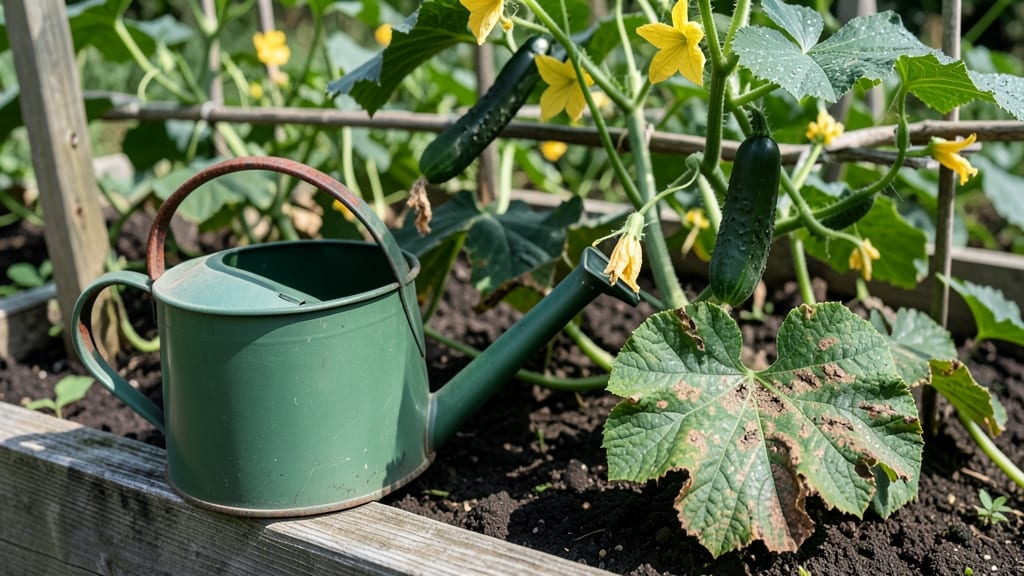
Cucumber plant leaves turning brown can feel like a death sentence for your harvest—but it’s usually fixable. 🌱 I’ve diagnosed this problem in my own garden, and the root cause is almost always one of three things: watering woes, fungal infections, or hidden pests.
The good news? Each has a simple solution that saves your plants and your crop.
Overwatering is the most common culprit, turning leaves yellow-brown and mushy at the edges. But fungal diseases like powdery mildew or bacterial spot create crispy, brown patches that spread fast.
Spider mites also suck the life out of leaves, leaving behind a dusty, brownish webbing. The key is acting fast—before the problem spreads to the vines or fruit.
Start by checking the soil: stick your finger in 1-2 inches deep. If it’s soggy, cut back on watering and improve drainage. For fungal issues, prune affected leaves immediately and spray with a mix of 1 tablespoon baking soda + 1 quart water + a drop of dish soap.
For pests, blast leaves with water to knock off mites and introduce ladybugs or neem oil as a preventative.
With these three steps—adjusting water, pruning, and treating—your cucumbers will bounce back in 5-7 days. The real secret? Prevention: space plants for airflow, water at the base (not the leaves), and rotate crops yearly to keep diseases from lingering. Your next harvest will thank you.
Root Causes Behind Brown Leaves
Understanding why your cucumber plant’s leaves are turning brown starts with identifying the hidden triggers lurking in your garden. These issues often stem from environmental stress, poor care, or unseen pests and diseases. Below, we break down the most common culprits—each with a distinct signature and solution.
Brown, mushy leaves with yellowing edges are classic signs of waterlogging. When cucumber roots sit in soggy soil for too long, they suffocate due to a lack of oxygen.
This triggers: - Root rot (often caused by Pythium or Phytophthora fungi), which blocks nutrient uptake. - Cell death in leaves as the plant struggles to transport water and nutrients. - Salt buildup in soil from excess irrigation, further stressing roots.
Why it happens: Cucumbers thrive in well-draining soil with moisture but despise "wet feet." Containers without drainage holes or heavy clay soil trap water, while overzealous watering (especially without checking soil moisture) drowns roots. Even morning dew or poor mulching can create a humid microclimate that encourages fungal growth.
Sudden brown patches or crispy edges on leaves exposed to direct sunlight? That’s sun scorch—a brutal reaction to intense UV rays or rapid temperature swings. Cucumbers prefer partial shade (6–8 hours of sunlight max), especially in hot climates.
Heat stress causes: - Cell membrane damage in leaves, leading to browning and wilting. - Photosynthesis shutdown as chlorophyll degrades under extreme heat. - Transpiration overload, where plants lose more water than they can absorb.
Why it happens: Young, tender cucumber leaves are particularly vulnerable. High afternoon sun (especially in summer) or transplanting seedlings into full sun without acclimation can trigger this. Even reflective surfaces (like pavement or white walls) amplify UV damage.
Brown spots, holes, or a webby film on leaves? Pests and pathogens are likely the villains.
Common offenders include: - Spider mites (tiny yellow-brown pests that suck sap, causing stippled browning). - Aphids (clustered on undersides, exuding sticky honeydew that attracts sooty mold). - Powdery mildew (white fungal coating that turns brown and crinkly over time). - Bacterial leaf spot (dark brown, water-soaked lesions with yellow halos).
Why it happens: Weakened plants (from stress, poor nutrition, or overcrowding) attract pests. High humidity (ideal for fungi) or wind-spread spores (like powdery mildew) create perfect conditions. Even beneficial insects can turn destructive if populations explode—aphids reproduce exponentially in warm, dry weather.
Brown, curled leaves with interveinal chlorosis (yellowing between veins) often signal magnesium or potassium deficiency.
But toxicity can also cause browning: - Too much nitrogen → Leaves turn brown and brittle (excess growth strains the plant). - Chlorosis from iron or manganese deficiency → Brown patches on new growth (common in alkaline soil). - Salt burn (from fertilizers or tap water) → Crispy, brown leaf edges.
Why it happens: Cucumbers are heavy feeders and need balanced nutrients. Over-fertilizing (especially with synthetic mixes) can burn roots, while poor soil pH (below 6.0 or above 7.5) locks out essential minerals. Container plants deplete nutrients faster, accelerating deficiencies.
Sudden brown patches on older leaves? Wind or cold snaps can physically damage cucumber foliage. Symptoms include:
- Tattered edges (from wind abrasion).
- Frost burn (brown, papery patches after temperatures drop below 50°F/10°C).
- Transplant shock (browning if roots dry out during relocation).
Why it happens: Cucumbers have delicate vines that snap or desiccate in harsh conditions. Young plants are especially fragile—even a strong breeze can tear leaves, creating entry points for infections. Cold drafts (like overnight chills) disrupt cellular function, leading to rapid browning.
Brown, stunted leaves with poor growth?
Your soil might be the real problem. - High pH (alkaline soil) → Locks out iron, manganese, and zinc, causing brown "interveinal necrosis." - Compacted soil → Restricts root oxygen, leading to suffocation and browning. - Herbicide drift → Non-selective weed killers (like glyphosate) can cause brown, curled leaves even at low doses.
Why it happens: Cucumbers prefer slightly acidic to neutral soil (pH 6.0–6.8). Amended garden beds or urban soils often have hidden compaction or chemical residues. Even "organic" mulch (like black plastic) can raise soil temperature, stressing roots.
Quick Fixes for Brown Cucumber Leaves
Brown, crispy, or splotchy cucumber leaves can be a real bummer—especially when you’re just days away from a fresh harvest! 🥒😬 The good news? Most issues are fixable with a few targeted steps.
Below, we’ll break down practical solutions for each common cause, plus prevention tips to keep your plants thriving. Let’s get your cucumbers back on track!
Signs: Yellowing edges, mushy stems, or leaves that feel soggy to the touch.
1️⃣ Adjust Your Watering Routine - 🔥 Stop the flood! Cucumbers hate "wet feet."
Water only when the top 1–2 inches of soil are dry (stick your finger in to check). - 👨🍳 Schedule it right: Early morning (6–9 AM) is best—avoid evening watering to prevent fungal growth. - ⏰ Deep but infrequent: Water deeply 2–3 times per week (adjust for heat/clay soil) instead of daily shallow drinks.
2️⃣ Improve Drainage Like a Pro
- 🔪 Dig deeper: Amend heavy or compacted soil with perlite, sand, or compost to help water drain faster.
- 🌱 Raise the bed: If your garden has poor drainage, grow cucumbers in raised beds or containers with drainage holes.
- 🥘 Mulch matters: Spread 2–3 inches of straw or shredded leaves around the base (but keep it 2 inches away from stems to prevent rot).
3️⃣ Salvage the Plant
- ✂️ Trim the damage: Snip off completely brown or mushy leaves with clean scissors to redirect energy to healthy growth.
- 🌡️ Boost airflow: Space plants 12–24 inches apart (or prune vines if crowded) to speed up drying.
💡 Prevention Tip: Test your soil’s moisture retention—if water pools after 30 mins, drainage is the issue!
Signs: Dark brown spots with yellow halos, white powdery coating, or leaves curling upward.
1️⃣ Identify the Culprit
Common fungal foes include:
- Powdery mildew (white dusty spots)
- Downy mildew (yellow spots + fuzzy gray undersides)
- Alternaria or bacterial leaf spot (concentric brown rings)
2️⃣ Treat It Organically
- 🍳 Baking soda spray: Mix 1 tsp baking soda + 1 tbsp oil + 1 tsp soap per gallon of water.
Spray every 7–10 days (especially undersides). - 🌿 Copper fungicide: Use organic copper-based sprays (like Bonide Copper Fungicide) for stubborn cases—follow label rates! - 🥘 Neem oil: Apply neem oil spray (1 tbsp per quart of water + surfactant) at dusk to prevent spores from spreading.
3️⃣ Prevent a Comeback
- 🌡️ Space for airflow: Thin vines so leaves aren’t touching—fungi love humidity!
- ⏰ Water wisely: Avoid overhead watering (use drip irrigation or a watering can at the base).
- ✨ Rotate crops: Don’t plant cucumbers (or squash/melons) in the same spot next year—fungi linger in soil!
💡 Prevention Tip: Prevent > cure! Spray plants with neem oil or compost tea every 2 weeks during humid seasons.
Signs: Scorched, papery brown edges (common in hot afternoons).
1️⃣ Provide Shade Strategically
- 🌿 Use shade cloth: Drape 30–50% shade fabric over plants during peak sun (11 AM–3 PM).
- 🏠 Temporary cover: A lightweight row cover or even a white bedsheet can work in a pinch.
- 🌱 Plant smart: If possible, grow cucumbers near taller plants (like corn or sunflowers) for natural shade.
2️⃣ Hydrate Like a Lifesaver
- 💦 Increase frequency: Water more often in extreme heat (check soil moisture daily).
- 🥘 Mulch heavily: 4+ inches of mulch keeps roots cool and retains moisture.
💡 Prevention Tip: Morning watering + afternoon shade = happy cucumbers! Avoid evening watering in heatwaves.
Signs: Irregular brown holes, chewed edges, or sticky residue (aphid honeydew).
1️⃣ Spot and Squash Pests
- 🐜 Common culprits: Aphids, cucumber beetles, or spider mites.
- 🔪 Manual removal: Blast pests off with a strong spray of water (repeat daily for 3 days).
- 🍳 Soap spray: Mix 1 tbsp mild dish soap + 1 quart water—spray directly on pests (avoid flowers).
2️⃣ Trap and Repel
- 🥘 Beer trap: Bury a small cup filled with beer near plants—beetles will drown in it!
- 🌿 Companion plants: Interplant with nasturtiums or marigolds to deter pests naturally.
💡 Prevention Tip: Row covers early (before pests arrive) can block beetles and mites entirely!
Signs: Brown crispy edges (magnesium deficiency) or yellowing between veins (nitrogen).
1️⃣ Test and Amend Soil
- 📊 DIY test: Grab a handful of soil—if it smells sour or feels clay-heavy, it’s likely deficient.
- 💪 Fertilize right:
- For brown edges: Sprinkle Epsom salt (1 tbsp per gallon of water) every 2 weeks.
- For yellowing: Use a balanced fertilizer (10-10-10) or compost tea for a nitrogen boost.
2️⃣ Feed the Roots
- 🥘 Side-dress: Mix well-rotted manure or worm castings into the soil around (not touching) the stems.
- 🌿 Mulch with green: Grass clippings or coffee grounds add nitrogen as they decompose.
💡 Prevention Tip: Feed at planting + every 3–4 weeks—don’t skip mid-season boosts!
Final Pro Tip: 🎯 Act fast! The sooner you address brown leaves, the quicker your cucumbers bounce back. Check plants daily during heatwaves or rain spells to catch issues early. Happy growing! 🌱🥒
Frequently asked questions
Why are only the older leaves turning brown while new growth stays green?
This is often a sign of nutrient deficiency or aging. Cucumbers practice "senescence"—older leaves naturally yellow and brown as the plant redirects energy to new growth. However, if brown edges appear with crispy texture, check for magnesium deficiency (use Epsom salt spray) or overwatering (reduce frequency).
Can I still harvest cucumbers if the leaves are brown?
Yes! The fruit develops from flowers, not leaves, so your harvest isn't directly affected. Just focus on fixing the leaf issue—healthy foliage helps protect cucumbers from sunburn. Remove only completely brown or diseased leaves to prevent spread, but leave enough leaves to shade the fruit.
How do I tell if my cucumber plant has root rot or just needs less water?
Gently pull back the mulch and check the soil: if it smells foul, feels slimy, or has blackened roots, it's root rot. For overwatering, the soil will be soggy but roots stay firm and white. Stop watering immediately for root rot—repot in fresh, dry soil. For overwatering, reduce to 2-3 times per week and improve drainage.
Will pruning brown leaves help my cucumber plant recover faster?
Pruning removes the plant's energy drain from damaged leaves, allowing it to focus on new growth. Use clean scissors to cut 1 inch above browned areas (never tear leaves). For severe cases, remove up to 1/3 of foliage
Can I save my cucumber plant if the brown spots have white fuzzy growth?
That's powdery mildew—act fast! Spray immediately with a mix of 1 tbsp baking soda + 1 quart water + 1 tsp dish soap. For stubborn cases, use neem oil at dusk. Remove all infected leaves and improve airflow by spacing plants 18-24 inches apart. With treatment, plants often recover within 7-10 days.