
Pests and Diseases
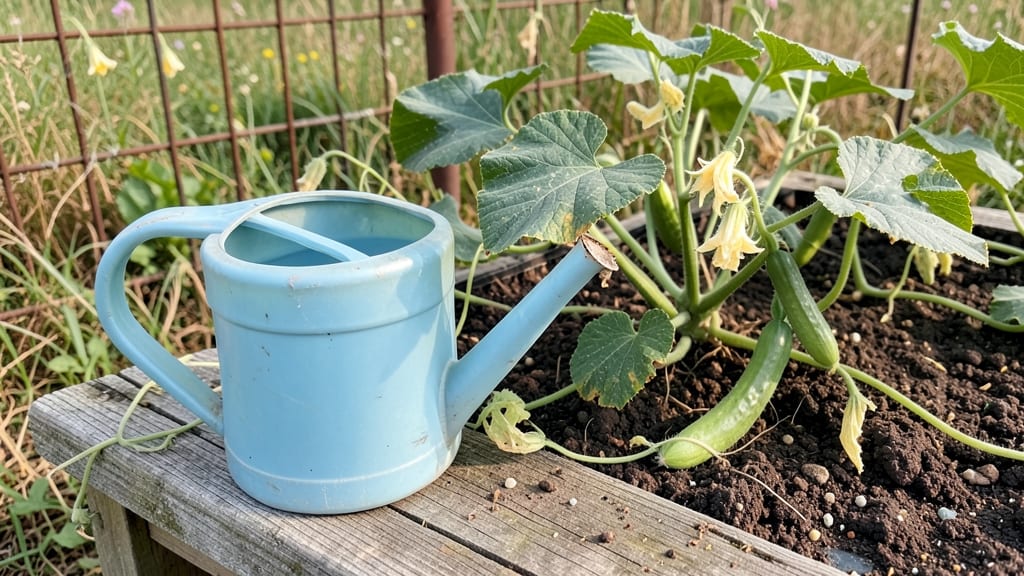
When your cucumber plant leaves start wilting, it’s usually a cry for help—not a death sentence. 🌱 I’ve seen plants bounce back from this in just 24 hours with the right fix, and I’ll show you how to diagnose the problem fast so you can save your harvest.
The most common culprits are overwatering (soggy soil), underwatering (dry, crispy leaves), or pests like spider mites hiding on the undersides. Check the soil first—stick your finger in 1-2 inches deep. If it’s damp, hold off on watering; if it’s bone dry, give it a deep drink.
Yellowing leaves with brown edges often mean too much water or poor drainage, while droopy leaves that perk up at night suggest thirst. Once you identify the issue, act fast: trim affected leaves, adjust your watering routine, and treat for pests if needed.
Within 3-5 days, your plant should start looking perky again, and you’ll be back to harvesting crisp cucumbers in no time. Prevention is key—mulch around your plants to retain moisture, water at the base (not the leaves), and inspect regularly for early signs of trouble.
This method works for backyard gardens, containers, or even raised beds.
Root Causes Behind Wilting Leaves
Understanding why your cucumber plant’s leaves are wilting starts with identifying the root causes—literally and figuratively. Wilting isn’t just a random act of nature; it’s a stress signal from your plant, often triggered by environmental or biological factors.
Below, we break down the most common culprits, complete with the science behind them and actionable insights to help you diagnose the issue.
---
Cucumbers are thirsty plants, but their leaves wilt when water dynamics go haywire. Here’s how:
- Underwatering (Most Common Culprit) Cucumbers have shallow, fibrous root systems that absorb water quickly. When soil dries out, the plant can’t pull enough moisture to maintain turgor pressure in its leaves, causing them to droop.
Signs include: - Crispy, dry edges on leaves (not just wilting). - Soil pulling away from the pot or cracking in garden beds. - Wilting that worsens in the afternoon (when transpiration peaks).
Why it happens: The plant’s vascular system (xylem) relies on capillary action to move water upward. Without enough water, cells lose turgor, and leaves collapse like a deflated balloon.
- Overwatering (Just as Damaging) While underwatering is more obvious, soggy soil suffocates roots by displacing oxygen. Roots can’t respire, leading to root rot (often caused by Pythium or Phytophthora fungi).
Wilting here happens because: - Roots can’t absorb water efficiently (even if the soil is wet). - Toxic buildup of anaerobic byproducts (like ethanol) occurs in waterlogged soil. - Leaves may appear yellow (chlorotic) before wilting, especially on lower stems.
Pro tip: 🌡️ Stick your finger 1–2 inches into the soil—if it’s damp but not soaked, your watering is likely balanced. Cucumbers need 1–2 inches of water per week, but adjust for clay vs. sandy soil.
---
Cucumbers are cool-season plants that struggle in extreme heat. When temperatures soar, their leaves wilt as a protective mechanism to reduce water loss.
- Heat Stress (Above 90°F/32°C) High temperatures increase transpiration rates while slowing root absorption.
Leaves wilt to minimize surface area exposed to the sun, but this can lead to: - Sunburned patches (white or yellow scorch marks). - Premature leaf drop if stress persists. - Blossom end rot in fruits (though this is more common in tomatoes, heat weakens overall plant vigor).
Why it happens: Heat denatures enzymes in the plant’s stomata, impairing their ability to regulate water loss. Meanwhile, roots can’t keep up with demand, leading to midday wilting that recovers at night.
- Cold or Frost Damage Cucumbers are frost-sensitive—even light frosts can cause leaves to blacken and wilt. Cold stress disrupts: - Cell membrane integrity, causing osmotic imbalance (cells lose water). - Photosynthesis, leading to nutrient deficiencies that weaken the plant.
Actionable fix: 🌿 Use shade cloth (30–50%) in peak summer or row covers in early spring to buffer temperature swings.
---
Wilting can be a symptom of unseen damage from pests or pathogens that disrupt the plant’s water transport system.
- Squash Vine Borers (Most Devastating Pest) These larvae (from Melitta moths) chew through stems, severing the plant’s phloem and xylem. Wilting starts at the leaf edges and progresses inward.
Look for: - Sawdust-like frass near the stem base. - Yellowing leaves followed by sudden collapse. - Stems that sound hollow when tapped.
Why it happens: The borer blocks water flow, causing hydraulic failure in the vascular system. Once infested, the plant rarely recovers.
- Fungal Infections (Verticillium or Fusarium Wilt) Soil-borne fungi clog xylem vessels with gelatinous spores, preventing water movement.
Symptoms include: - Wilting that starts on one side of the plant (vascular disease is often one-sided). - Yellowing leaves with green veins (a classic sign of Verticillium). - Stunted growth despite adequate water.
Pro tip: 🔥 Rotate crops (avoid planting cucumbers in the same spot for 3+ years) and sterilize soil with solarization or fungicides like copper-based sprays.
- Aphids and Spider Mites (Sap-Sucking Menaces) These pests pierce leaves, injecting toxins and disrupting cell function. Heavy infestations cause: - Curled, sticky leaves (from honeydew). - Silvery webbing (mites) or black sooty mold (aphids). - Wilting in patches where pests cluster.
Why it happens: Their saliva triggers plant stress hormones, accelerating water loss. A single leaf can lose turgor pressure in hours if heavily infested.
---
Wilting can also signal nutritional starvation, particularly potassium (K) or calcium (Ca) deficiencies.
- Potassium Deficiency (Most Common) Potassium regulates stomatal function and osmotic balance. Without it, leaves: - Wilt easily, even with adequate water. - Develop yellow or brown scorch marks on edges (called "margin burn"). - Show weak stems (prone to snapping).
Why it happens: Potassium activates enzymes that help cells retain water. A deficiency means cells can’t hold moisture, leading to wilting.
- Calcium Deficiency (Weakens Cell Walls) Calcium strengthens cell membranes. Without it, leaves: - Wilt and become brittle. - Develop blossom end rot in fruits (though cucumbers are less prone, severe deficiency affects growth). - Show new leaves curling upward.
Fix: 💡 Use calcium nitrate or crushed eggshells (high in Ca) mixed into soil. Avoid over-fertilizing with nitrogen, which can lock out calcium uptake.
--- Even mechanical stress can trigger wilting by disrupting the root system.
- Root Compaction or Injury Heavy foot traffic, rough handling during transplanting, or weed pressure can crush roots, reducing their ability to absorb water.
Signs include: - Wilting that starts after rain (roots can’t handle the sudden influx). - Stunted growth despite healthy soil. - Leaves wilting in patterns (e.g., one side of the plant).
Why it happens: Roots absorb water via osmosis, but compacted soil limits oxygen and root expansion. Injured roots secrete less auxin (a growth hormone), slowing water uptake.
- Transplant Shock Moving cucumbers (especially from pots to ground) can sever fine root hairs, causing temporary wilting. Symptoms: - Wilting within 24–48 hours of transplanting. - Slow recovery even with water.
Fix: 🌱 Hardening off seedlings (acclimating them to outdoor conditions) and watering deeply before/after transplanting reduces shock. Use mycorrhizal fungi (available as powders) to boost root recovery.
Quick Fixes for Reviving Wilting Cucumber Plants
Now that you’ve identified why your cucumber plant leaves are wilting, it’s time to take action! The good news? Most issues can be resolved with simple, garden-friendly solutions. Below, we’ve mapped out practical fixes for each common cause—plus prevention tips to keep your plants thriving long-term.
---
Signs: Yellowing leaves, soggy soil, roots exposed above ground.
How to Fix It: 🔥 Step 1: Pause Watering Immediately - Let the soil dry out for 24–48 hours to prevent root rot. Stick your finger 1–2 inches into the soil—if it’s damp, wait longer.
🍳 Step 2: Improve Drainage - If your pot lacks drainage holes, transfer the plant to a new container with holes.
For in-ground plants, amend the soil with perlite, coarse sand, or compost to loosen it up. - Pro tip: Elevate pots slightly (use bricks or saucers) to avoid water pooling.
👨🍳 Step 3: Repot (If Needed) - If roots are circling or mushy, repot in fresh, well-draining potting mix (avoid heavy garden soil). Trim any black or squishy roots with sterilized scissors.
🌱 Prevention: - Water deeply but infrequently—aim for 1 inch of water per week (adjust for climate). - Use drip irrigation or soaker hoses to deliver water directly to roots, reducing runoff.
---
Signs: Crispy, dry edges on leaves, drooping in the afternoon.
How to Fix It: 💦 Step 1: Water Thoroughly at the Base - Give the plant a slow, deep drink until water runs out the drainage holes. Avoid wetting leaves to prevent fungal issues.
🌡️ Step 2: Provide Shade (If Needed) - If temperatures exceed 90°F (32°C), shield plants with shade cloth (30–50%) or move pots to a spot with afternoon shade.
🎯 Step 3: Mulch to Retain Moisture - Spread 2–3 inches of straw or wood chips around the base (keep it 2 inches away from the stem). This locks in moisture and cools roots.
✨ Prevention: - Morning watering is best—it gives roots time to absorb water before the heat of the day. - Group plants together to create a microclimate that retains humidity.
---
Signs: Holes in leaves, sticky residue, fungal spots, or wilting despite proper watering.
How to Fix It: 🔪 Step 1: Identify the Pest/Disease - Aphids/Spider Mites: Spray leaves with neem oil (1 tsp per quart of water) or introduce ladybugs. - Powdery Mildew: Remove infected leaves and spray with a baking soda mix (1 tsp baking soda + 1 quart water + a drop of dish soap). - Root Rot: Dig up the plant, trim diseased roots, and repot in sterilized, dry soil.
🛡️ Step 2: Apply Organic Treatments - For bacterial/wilt diseases, use copper fungicide (follow label instructions). - Prevent reinfection by cleaning tools with rubbing alcohol and avoiding overhead watering.
🌿 Prevention: - Rotate crops annually to prevent soil-borne diseases. - Inspect plants weekly—catch pests early with a magnifying glass and soapy water spray.
---
Signs: Yellowing between leaf veins (iron deficiency), stunted growth, or purple stems (phosphorus deficiency).
How to Fix It: 📊 Step 1: Test Your Soil - Use a DIY soil test kit (available at garden centers) to check pH and nutrient levels. Cucumbers thrive in pH 6.0–6.8.
💪 Step 2: Fertilize Properly - Quick fix: Use a balanced liquid fertilizer (10-10-10) diluted to half-strength. Apply every 2–3 weeks during growing season. - For deficiencies: - Nitrogen (yellow leaves): Add compost or fish emulsion. - Potassium (weak stems): Use banana peel tea or wood ash (sparingly).
🍎 Prevention: - Side-dress with compost mid-season to provide slow-release nutrients. - Avoid over-fertilizing—more isn’t better for cucumbers!
---
Signs: Wilting despite adequate water, sudden leaf drop, or stunted vines.
How to Fix It: 🌡️ Step 1: Check Temperature & Wind - Cucumbers hate frost or extreme heat (below 50°F/10°C or above 95°F/35°C). Use row covers in spring or shade cloth in summer. - Wind damage? Stake plants or use windbreaks (like bamboo fencing).
🏡 Step 2: Optimize Growing Space - Ensure 6–12 inches of space between plants for airflow (reduces humidity-related diseases). - Container growers: Choose large pots (5+ gallons)—small roots = more stress.
🔄 Prevention: - Hardening off seedlings gradually before transplanting. - Mulch heavily to regulate soil temperature.
--- Final Tip: 💡 Patience is key! Some wilting may take a few days to recover. Monitor your plant’s progress and adjust care as needed. With these fixes, your cucumbers should bounce back—and you’ll be harvesting crisp, fresh veggies in no time!
Frequently asked questions
Why do my cucumber leaves wilt only in the afternoon but perk up at night?
This classic pattern usually means your plant is thirsty! Cucumbers have shallow roots that dry out quickly in hot afternoons. Water deeply in the morning (1-2 gallons per plant) and mulch with straw to retain moisture. If the soil feels bone dry 1-2 inches down, you're underwatering.
Can I save my cucumber plant if the wilting is from root rot?
Maybe! First dig up the plant and trim all black, mushy roots with sterilized scissors. Repot in fresh, well-draining soil with perlite and hold off watering for 3-5 days to let roots recover. If most roots are healthy, it can bounce back with proper care.
What's the fastest way to tell if wilting is from pests or water issues?
Flip the leaves - look for tiny webs (spider mites), sticky residue (aphids), or holes (cucumber beetles). If no pests, check soil moisture: stick your finger 1-2 inches deep. Damp = overwatering; dry = thirsty plant.
Will pruning wilted leaves help my cucumber plant recover?
Yes! Remove only the most severely wilted leaves (never more than 1/3 of the plant) to redirect energy to healthy growth. Use clean scissors and cut at a 45-degree angle just above a leaf node. Avoid pruning during extreme heat or drought.
How long should I wait before harvesting cucumbers after treating wilting?
Wait 5-7 days after applying any treatments (like neem oil or fungicides) to ensure residues settle. For nutrient fixes (like compost tea), you can harvest normally after 24 hours. Always wash cucumbers before eating, regardless of treatment type.