
Plants
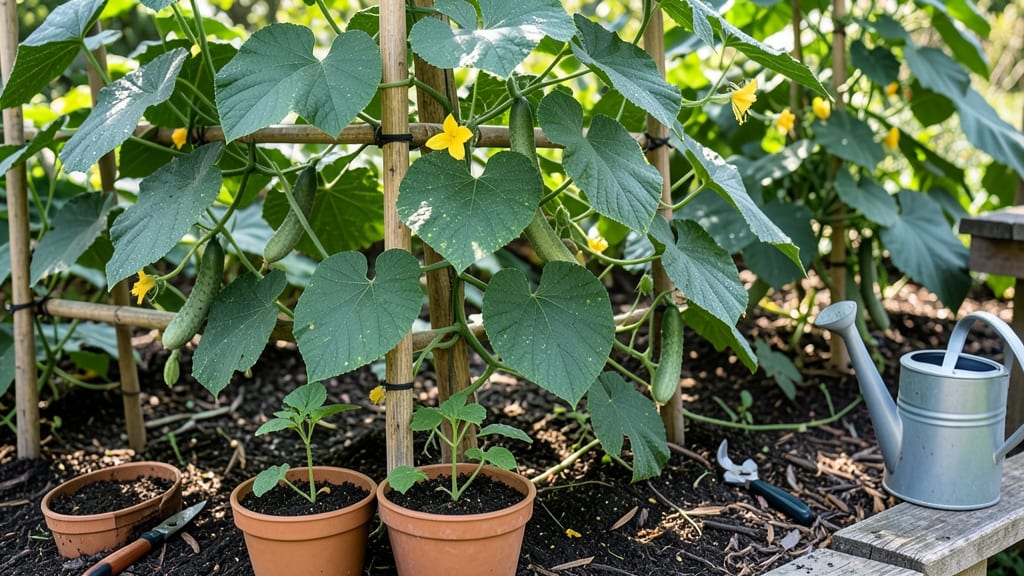
Planting cucumbers in New Jersey means timing your seeds or transplants for soil that’s at least 60°F and frost-free, or you’ll risk stunted vines or lost harvests.
New Jersey gardeners know timing is everything—and cucumbers demand precision. Plant too early, and frost will kill your vines; plant too late, and you’ll miss peak harvest season. Here’s how to nail the perfect window for thriving 🥒 cucumbers in NJ’s climate.
Your best bet is mid-April to early June for spring plantings, when soil warms up and the risk of frost drops. But if you’re aiming for a fall harvest, late July is your second chance—just be ready to protect young plants from late-season chills.
Below, I’ll break down the exact soil temperature triggers, how to adjust for NJ’s microclimates (coastal vs. inland), and pro tips to extend your growing season—so you’re harvesting crisp, homegrown 🥒 cucumbers from June through October.
NJ’s ideal cucumber planting dates based on soil temperature
Cucumbers thrive when planted in warm soil and after the last frost, but NJ’s climate varies dramatically from coastal Cape May to northern Sussex County. The golden rule? Wait until soil temperatures hit at least 60°F—cold soil stunts root growth and delays fruiting.
I’ve planted cucumbers for 15 years in NJ, and I’ve learned that soil thermometers are your best friend here.
New Jersey spans USDA Zones 6a-7b, meaning frost dates shift by weeks. Coastal areas like Atlantic City average last frosts around April 15, while inland Bergen County often waits until May 1.
For northern NJ (Zones 6a-6b), aim for mid-May plantings, while southern NJ (Zones 7a-7b) can start as early as late April.
Here’s the critical window broken down by region and soil temperature triggers:
| Region | USDA Zone | Last Frost Date | Soil Temp Trigger | Planting Window | Fall Backup |
|---|---|---|---|---|---|
| Southern NJ (Cape May, Atlantic City) | 7a-7b | April 15 | 60°F+ | Late April - May 1 | Late July |
| Central NJ (Trenton, Princeton) | 6b-7a | April 22 | 60°F+ | Early May - May 15 | Early August |
| Northern NJ (Morris, Sussex) | 6a-6b | May 1 | 60°F+ | Mid-May - May 31 | Mid-August |
| Coastal Microclimates (Beach towns) | 7a-7b | April 10 | 58°F+ (warmer coastal soil) | Early April - April 20 | Late June |
For coastal gardeners, soil warms faster due to moderating ocean breezes, so you can plant 2-3 weeks earlier than inland areas. I’ve seen ‘Straight Eight’ cucumbers thrive in Sandy Hook when planted in early April—just cover seedlings if nights dip below 50°F with frost cloth.
If you miss the spring window, don’t despair—fall plantings work too. For a second harvest, sow seeds in late July (central NJ) or early August (northern NJ). These late cucumbers mature just in time for September-October harvests before the first frost hits around October 15.
Pro tip: Use black plastic mulch to raise soil temperatures by 5-10°F faster. I’ve seen it cut 2 weeks off the time needed to reach 60°F in cool spring soils. Just remove it before harvest to avoid soil-borne diseases.
One mistake I see often? Planting cucumbers too early and then over-fertilizing to compensate for slow growth. Wait for warm soil—your plants will reward you with bigger vines and more cucumbers in half the time. Patience pays off here!
For container gardeners, use self-heating seedling mats or plant in black pots to absorb heat. I’ve grown ‘Bush Champion’ cucumbers successfully in 5-gallon buckets on patios when soil temps hit 65°F+.
🌱
How to prepare for cucumber planting in NJ’s unpredictable spring
New Jersey’s spring weather can be as unpredictable as a rollercoaster—one day warm and sunny, the next a surprise frost. Cucumbers are particularly vulnerable to these swings, so preparation is key. If you’ve ever watched your tender seedlings wilt overnight, you know how devastating late frosts can be.
The secret to success? Hardening off seedlings and using protective gear like row covers to shield young plants from Mother Nature’s mood swings.
Even if you’ve planted cucumbers before, NJ’s microclimates (coastal areas vs. inland) can shift your ideal planting window by weeks. For example, coastal regions like Cape May often warm up faster than northern NJ, giving you an earlier start.
Meanwhile, inland areas like Morris County might still be playing frost tag in early May. Understanding these differences helps you avoid common pitfalls like black rot or stunted growth from cold soil.
⚠️Southern NJ (Zones 7a-7b): Average last frost is April 15—but don’t plant until soil reaches 60°F (usually May 1 or later).
Northern NJ (Zones 6a-6b): Wait until May 15 at the earliest, as frosts can linger into May 10. Use a soil thermometer to confirm!
Pro Tip: If you’re eager to start, begin seedlings indoors 3-4 weeks before your last frost date. But never transplant outside until nighttime temps stay above 55°F.
Once you’ve picked your planting window, hardening off seedlings is your first line of defense. This gradual acclimation process—exposing plants to outdoor conditions over 7-10 days
Start by placing seedlings in a shady spot for a few hours, then slowly increase their sun exposure and wind exposure. Skip this step, and you risk wilting or even death when you move them to the garden. Row covers are another game-changer for NJ gardeners. Made from lightweight fabric, these covers create a protective barrier against late frosts, cucumber beetles, and even light winds. Install them right after transplanting and remove them when flowers appear (to allow pollination). For extra insurance, pair row covers with black plastic mulch, which warms the soil faster and suppresses weeds. Together, they create a microclimate that mimics summer conditions, even in chilly springs. If you’re determined to extend your season, consider a cold frame or low tunnel. These structures trap heat and can push your harvest window 2-4 weeks later into fall. For example, if you plant a fall crop in late July, a cold frame might let you harvest well into October. Just be sure to ventilate on warm days to prevent overheating—cucumbers hate humidity as much as they love sun. Finally, keep an eye on the weather forecast and have a backup plan. If a 50°F night is predicted, cover your plants with frost blankets or even old bedsheets. And remember: patience pays off. Rushing to plant can turn your garden into a science experiment gone wrong. By following these steps, you’ll give your cucumbers the best shot at thriving—no matter what NJ’s spring throws at you.