
Pests and Diseases
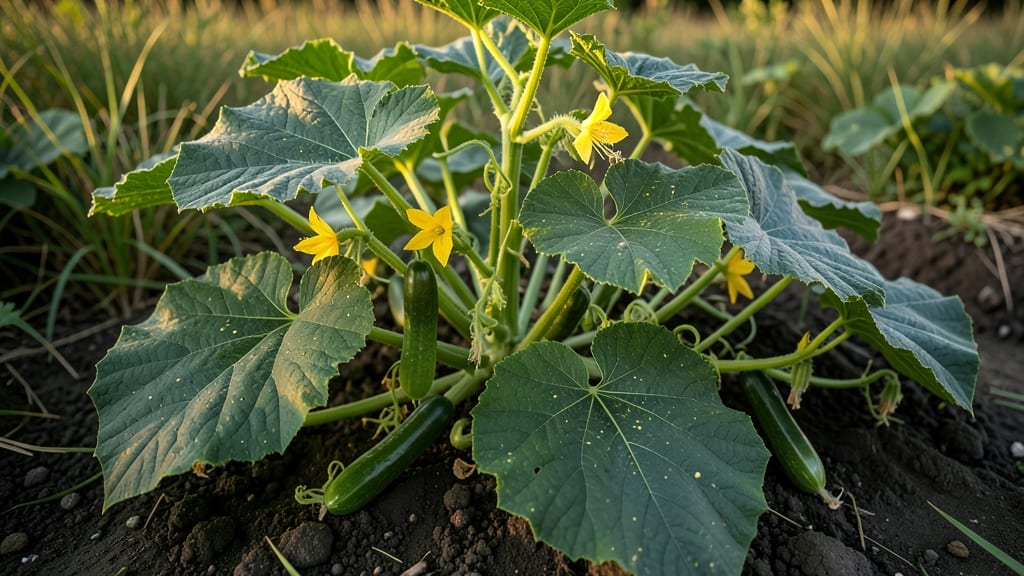
Aphids turn your cucumber leaves into sticky, yellow-dotted messes faster than you can say "harvest." 🌿 I’ve battled these tiny green invaders for years, and I’ve learned the 3-step fix that saves my plants every time—no fancy sprays required.
The yellow dots aren’t just ugly; they’re a sign of aphids sucking sap, leaving behind a sticky residue that attracts ants and fungal diseases. Most gardeners panic and reach for harsh chemicals, but the real solution is simple: water blasts, neem oil, and ladybugs.
These three steps work together to clear out the pests without harming your plants or the ecosystem. By the end of 24 hours, you’ll see fewer aphids, and within a week, your cucumbers will bounce back with fresh, healthy leaves. The best part?
This method keeps working season after season, so you won’t have to repeat the process every time you spot those dreaded dots. Works for backyard gardens, containers, and even greenhouse setups. Let’s get those leaves clean and your cucumbers thriving again!
Root Causes of Leaf Spots
Yellow dots on cucumber leaves are often a red flag—here’s why they appear and what’s really going on beneath the surface.
Aphids, spider mites, and thrips are the most common pests that leave behind yellow or white speckles on cucumber leaves. These tiny insects feed on plant sap by inserting their mouthparts into leaf tissue, disrupting chlorophyll production. The result? Tiny yellow or white dots where their saliva or excrement accumulate.
- Aphids 🌱: These soft-bodied insects cluster on the undersides of leaves, leaving behind sticky honeydew and yellow stippling.
- Spider Mites 🕷️: Their feeding causes fine webbing and yellow speckling, often concentrated on the leaf edges.
- Thrips 🐞: These slender insects scrape leaf surfaces, leaving behind irregular yellow marks and distorted growth.
Pro Tip: 💡 Check the undersides of leaves—pests often hide there, and early detection can save your crop!
Excessive sunlight or heat stress can also cause yellow dots on cucumber leaves. When leaves are exposed to too much direct sunlight, especially in hot climates, they develop sunburn spots. These appear as small, yellow or brown dots, particularly on older leaves.
- Overexposure to UV rays 🌞: Leaves may develop yellow speckling if they’re not shaded properly.
- Heat stress 🌡️: High temperatures can disrupt cellular function, leading to localized chlorophyll breakdown.
Solution: 🌿 Provide shade cloth or drip irrigation to protect leaves from extreme heat and sunlight.
Yellow dots can also signal water-related stress. Overwatering or poor drainage leads to oxygen deprivation in the roots, causing the plant to struggle and show symptoms like yellow speckling on leaves.
- Root rot 🌊: Excess moisture in the soil can suffocate roots, leading to nutrient deficiencies and yellowing.
- Mineral buildup 🧪: Over-fertilization or hard water can leave salt deposits on leaves, causing yellow or white spots.
Fix: ✨ Ensure well-draining soil and avoid waterlogging—cucumbers prefer consistent moisture, not soggy conditions.
While less common, fungal or bacterial infections can also cause yellow dots. Powdery mildew and bacterial leaf spot often appear as yellow or white speckles before developing into larger lesions.
- Powdery mildew 🍄: A white, powdery fungus that starts as small yellow dots before spreading.
- Bacterial leaf spot 🦠: Tiny yellow or brown dots that may turn into water-soaked lesions.
Prevention: 🛡️ Improve air circulation, avoid overhead watering, and use copper-based sprays if infections are suspected.
Fixing Yellow Spots on Leaves
Yellow dots on cucumber leaves can be frustrating, but the good news is that most causes have straightforward fixes. Below, we’ve mapped out practical solutions for each likely culprit, along with prevention tips to keep your plants thriving. 🌱💪
Aphids are the most common cause of yellow dots, and they spread quickly if left unchecked.
1. Manual Removal (Best for Small Infestations) 🔥 Step 1: Inspect & Isolate Check leaves and stems for clusters of tiny, greenish, or black aphids.
If caught early, you can handle this without chemicals. 👨🍳 Step 2: Blast Them Off Use a strong spray of water (from a hose or spray bottle) to dislodge aphids.
Repeat every 2–3 days until gone. 🔪 Step 3: Prune Damaged Leaves Snip off heavily infested leaves with clean scissors and dispose of them in a sealed bag (not your compost!).
2. Natural Pesticides (For Stubborn Infestations)
🌿 Option 1: Soap Spray Mix 1 tbsp mild liquid soap (like Castile soap) with 1 quart water. Spray directly on aphids, focusing on undersides of leaves.
Reapply every 3–5 days. 🌿 Option 2: Neem Oil Solution Combine 1 tsp neem oil, 1 tsp dish soap, and 1 quart water. Spray in the early morning or evening (avoid direct sun). Repeat weekly until aphids disappear.
3. Attract Natural Predators
🐞 Ladybugs & Lacewings Buy or encourage beneficial insects like ladybugs or lacewings—they love eating aphids. Plant dill, fennel, or marigolds nearby to attract them.
💡 Prevention Tips
✅ Inspect plants weekly—catch aphids before they multiply. ✅ Avoid over-fertilizing with nitrogen—aphids thrive on soft, new growth. ✅ Use reflective mulch (like aluminum foil) to deter aphids with light confusion.
If yellow dots appear only on sun-exposed leaves, your cucumbers may be getting too much direct heat.
1. Provide Shade (Quick Fix)
🌳 Use shade cloth (30–50% coverage) if temps exceed 90°F (32°C). ⏰ Adjust watering—deep watering in the early morning helps leaves absorb heat better.
2. Mulch & Hydration
💦 Add 2–3 inches of mulch (straw or grass clippings) to keep roots cool. 🌡️ Water consistently—dry soil = stressed plants. Aim for 1–1.5 inches per week.
💡 Prevention Tips
✨ Plant in partial shade if your climate is very hot. ✨ Choose heat-tolerant varieties like ‘Straight Eight’ or ‘Marketmore 76’.
Yellow dots with yellowing edges or powdery mildew (white fuzzy spots) mean excess moisture.
1. Improve Drainage
🔧 Check pots/drainage—ensure containers have holes. For in-ground plants, amend soil with perlite or compost to improve airflow. 🌬️ Space plants 18–24 inches apart to reduce humidity around leaves.
2. Fungal Treatment (If Needed)
🍄 Baking Soda Spray Mix 1 tbsp baking soda, 1 tsp dish soap, and 1 gallon water. Spray every 7–10 days until mildew clears. 🍄 Copper Fungicide Use an organic copper spray (like Bonide Copper Fungicide) if mildew persists.
💡 Prevention Tips
🎯 Water at the base—avoid wetting leaves (use drip irrigation). 🌡️ Prune for airflow—remove crowded or dead leaves.
Yellow dots with yellowing between veins (like a mosaic) may signal magnesium or potassium deficiency.
1.
Quick Fixes 🥬 Epsom Salt (Magnesium) Mix 1 tbsp Epsom salt per gallon of water and spray on leaves weekly for 2–3 weeks. 🍠 Banana Peel Tea (Potassium) Steep 2 banana peels in 4 cups hot water for 24 hours, then dilute 1:1 with water and use as a foliar spray.
2. Long-Term Soil Care
🌿 Add compost (1–2 inches) around the base. 🌿 Use a balanced fertilizer (like 10-10-10) every 4–6 weeks during growing season.
💡 Prevention Tips
📊 Test soil pH—aim for 6.0–6.8 (use a kit or lab test). 🔥 Rotate crops—don’t plant cucumbers in the same spot yearly.
If yellow dots spread rapidly with stunted growth or curling leaves, your plant may have a virus (like cucumber mosaic virus). Unfortunately, there’s no cure—focus on removal and prevention.
1. Remove Infected Plants
🗑️ Pull and destroy affected plants (do not compost them). 🔍 Disinfect tools with rubbing alcohol after pruning.
2. Prevent Spread
🛡️ Avoid aphids & whiteflies (they transmit viruses). 🛡️ Rotate planting locations yearly. 🛡️ Buy certified disease-free seeds/seedlings.
✨ Rotate inspection times—check undersides of leaves (aphids love hiding there). ✨ Keep a garden journal—note when issues arise to adjust care next season. ✨ Harvest regularly—overripe cucumbers stress plants and attract pests.
With these fixes, your cucumber plants should bounce back in 1–2 weeks! 🥒💚 Let nature help—your green thumb is about to get a lot greener.
Frequently asked questions
Are yellow dots on cucumber leaves always caused by pests?
Not always! While pests like aphids and spider mites are common culprits, yellow dots can also appear from sunburn, nutrient deficiencies, or fungal infections. Start by checking the undersides of leaves for tiny insects—if none are present, examine your plant’s watering habits and sunlight exposure.
How quickly should I expect to see improvement after treating aphids?
With immediate action like water blasts or neem oil, you’ll often see a noticeable reduction in aphids within 24–48 hours. For complete clearance, consistent treatment over 7–10 days is ideal. Early intervention prevents the spread to new leaves, so don’t wait if you spot clusters!
Can I still harvest cucumbers if the leaves have yellow dots?
Yes, but focus on harvesting healthy fruit first. Yellow-dotted leaves may still produce cucumbers, though the plant’s overall vigor will be reduced. Prioritize removing affected leaves and treating the underlying cause to restore growth. The fruit itself won’t be harmed unless the issue is severe (like a viral infection).
What’s the best time of day to spray neem oil for maximum effectiveness?
Apply neem oil in the early morning or late evening to avoid direct sunlight, which can break down the active ingredients. This timing also reduces stress on the plant and allows the solution to absorb better. Repeat applications every 5–7 days for stubborn infestations.
Will yellow dots from sunburn go away on their own?
Sunburned leaves won’t recover completely, but new growth will emerge if you provide shade and proper care. Remove severely damaged leaves and focus on protecting younger leaves with shade cloth or drip irrigation. The plant will redirect energy to healthier foliage over 2–3 weeks.