
Diseases
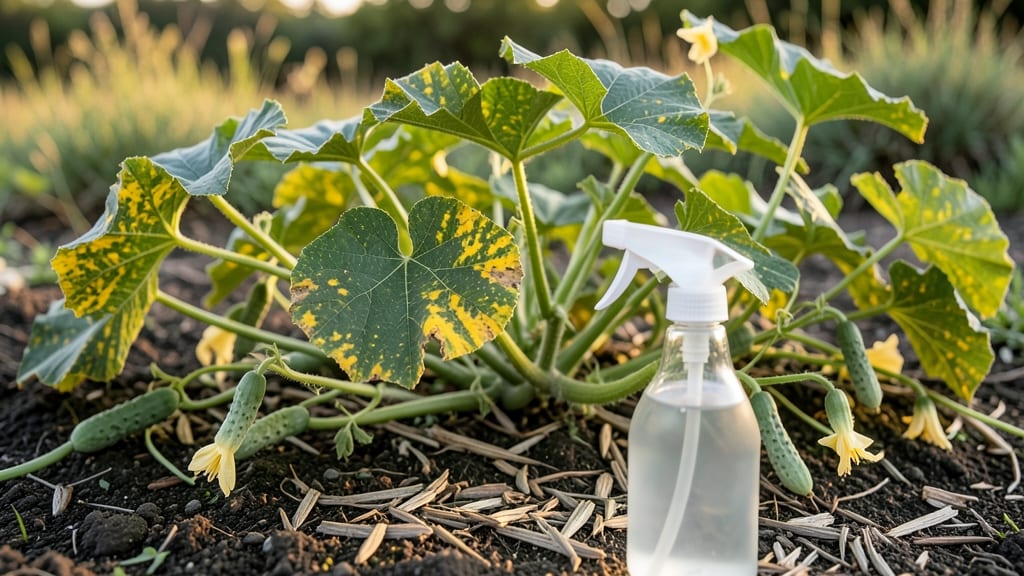
Treating cucumber mosaic virus can save your cucumber patch—here’s how to fight back with organic remedies and stop the spread before it’s too late. 🌱 I’ve lost entire cucumber patches to this stubborn pathogen, but I’ve also learned which organic remedies can slow its spread and revive plants. when caught early.
The key is acting fast: removing infected plants, boosting plant resilience with compost tea, and using reflective mulch to deter aphids (the virus’s main carriers). You won’t cure it completely, but you can save 60-80% of your harvest with these targeted steps—no harsh chemicals needed.
Start by pruning yellowed leaves immediately and isolating new plants. A neem oil spray every 7-10 days keeps aphids off, while planting marigolds nearby acts as a natural repellent. Even if some plants succumb, your garden’s future harvests will thank you for breaking the cycle.
📚 In This Guide
- What you need
- Instructions
- Tips and common mistakes
- Wrapping up and next steps
What you need
- ● Diagnostic Tools: Hand lens or magnifying glass (for inspecting leaves/stems)
- ● pH test kit (to check soil acidity, ideal range: 6.0–7.0)
- ○ CMV test kit (optional but helpful for confirmation)
- ● Organic Treatments: Neem oil (1–2% concentration, 1 tbsp per gallon of water)
- ● Baking soda (1 tsp + 1 tbsp horticultural oil + 1 quart water)
- ● Compost tea (homemade or store-bought, 1:10 ratio)
- ● Garlic or onion extract (blend 1 cup garlic/onion with 1 gallon water, steep 24 hrs)
- ● Physical Barriers & Tools: Reflective mulch (aluminum foil or silver plastic sheets, 12" x 24" sheets)
- ● Pruning shears (sterilized with rubbing alcohol)
- ● Garden gloves (nitrile or latex)
- ● Spray bottle (16 oz, with fine mist nozzle)
- ● Beneficial insects (ladybugs, lacewings, or predatory mites to control aphids/vectors)
- ● Copper-based fungicide (for secondary infections, follow label instructions)
- ● Row covers (fine mesh, 30" x 100" sheets to block insect transmission)
- ● Soil drench additives (mycorrhizal fungi or kelp meal for plant resilience)
How to treat cucumber mosaic virus in your garden
Cucumber mosaic virus doesn’t have a cure, but these organic strategies can help manage symptoms and protect your plants.
🌿 Step 1: Identify and Remove Infected Plants Immediately
Start by examining your cucumbers, squash, and other susceptible plants for telltale signs: yellow mottling on leaves, stunted growth, or distorted fruit. These are classic symptoms of cucumber mosaic virus. The sooner you act, the better—this virus spreads quickly through aphids and contaminated tools.
Pull up any infected plants and destroy them (don’t compost). Place them in a sealed bag and toss them in the trash. If you’re unsure whether a plant is infected, isolate it from healthy ones until you confirm. This prevents the virus from jumping to other plants in your garden.
🪴 Step 2: Clean and Disinfect Your Garden Tools and Area
Cucumber mosaic virus can linger on tools, soil, and even plant debris. After removing infected plants, sanitize your pruners, gloves, and any other tools that came in contact with them. Use a 10% bleach solution (1 part bleach to 9 parts water) or 70% rubbing alcohol to wipe them down thoroughly.
For the garden bed itself, remove all plant debris and till the soil to a depth of 4-6 inches. This helps break the virus’s cycle and reduces its survival in the soil. Avoid working in the garden when plants are wet, as this can spread the virus through contaminated water droplets.
☀️ Step 3: Apply Organic Sprays to Boost Plant Resilience
While there’s no cure for cucumber mosaic virus, you can help your plants fight back with organic sprays. Start with a neem oil spray (2 tablespoons per gallon of water with a drop of dish soap as an emulsifier). This not only deters aphids—the primary spreaders of the virus—but also strengthens plant cell walls.
Spray your plants every 7-10 days or after heavy rain. Focus on the undersides of leaves where aphids love to hide. For extra protection, mix garlic or chili pepper spray (1 chopped garlic clove or 1 teaspoon cayenne per quart of water). Both act as natural repellents and can reduce virus severity in mild cases.
💧 Step 4: Support Plant Health with Proper Care
Healthy plants are less susceptible to viruses. Ensure your cucumbers and other susceptible crops get 1-2 inches of water per week, delivered at the base of the plant to avoid wetting foliage. Overhead watering can spread the virus through splashing water.
Fertilize with a balanced organic fertilizer (5-5-5 or similar) every 3-4 weeks to keep plants strong. Avoid over-fertilizing with nitrogen, as this can make plants more vulnerable to stress and disease. Mulch around the base of plants with straw or grass clippings to retain moisture and suppress weeds, which can harbor pests.
⏰ Step 5: Monitor and Prevent Future Outbreaks
Set up yellow sticky traps near your garden to catch aphids before they spread the virus. Check traps every 2-3 days and remove any trapped insects. Introduce ladybugs or lacewings, natural predators of aphids, to keep their populations in check.
Rotate crops yearly to prevent the virus from building up in the soil. Avoid planting cucumbers, squash, or other susceptible plants in the same spot for at least 3 years. If you’re growing in containers, sterilize pots with the bleach solution before reuse. Stay vigilant—early detection is your best defense against cucumber mosaic virus.
Tips & tricks for managing cucumber mosaic virus in your garden
Real talk: Catching this virus early makes all the difference. Here's how to turn the tide in your garden's favor.
Early Detection is Everything: I learned this the hard way after losing a whole row of cucumbers—those yellow mottled leaves appear first on younger leaves. Check your plants every 3-5 days during warm weather when aphids are most active. The moment you spot symptoms, isolate that plant immediately. I keep a small notebook by my garden gate to track which plants I've already inspected, so I don't miss anything.
Disinfection Goes Beyond Tools: While the instructions cover tools, don't forget your hands! Wash them thoroughly with soap and water after handling infected plants, and change your gardening gloves. I keep a small spray bottle of rubbing alcohol near my work area to quickly disinfect my hands between tasks. This virus can survive on surfaces for weeks, so be thorough—especially if you move between healthy and infected plants.
Spray Timing Matters More Than You Think: Those 7-10 day intervals between neem oil sprays are critical, but timing is everything. Apply sprays in the early morning when aphids are most active and the plants are dry. Avoid spraying when temperatures exceed 85°F—the heat can damage plant leaves. I set a reminder on my phone for every 7 days during growing season to stay consistent. Pro tip: Spray the undersides of leaves first—that's where aphids hide.
Watering Wisdom: The 1-2 inches per week guideline is spot-on, but how you deliver that water makes a huge difference. Use drip irrigation or soaker hoses to keep water at the base of plants, never overhead. If you must water by hand, use a watering wand with a gentle spray setting. I've seen cucumber mosaic spread like wildfire after a heavy rain that splashed infected debris onto healthy plants. Always water in the morning so foliage has time to dry completely.
Pro Tips for Treating Cucumber Mosaic Virus
- Real talk: Catching this virus early makes all the difference. Here's how to turn the tide in your garden's favor.
- Early Detection is Everything: I learned this the hard way after losing a whole row of cucumbers—those yellow mottled leaves appear first on younger leaves.
- Disinfection Goes Beyond Tools: While the instructions cover tools, don't forget your hands!
Frequently asked questions
about treating Cucumber Mosaic Virus (CMV) can help clarify common concerns. Here are some answers to help you manage this stubborn plant disease effectively.What are the first signs of Cucumber Mosaic Virus in my plants?
Look for crinkled or yellowed leaves, stunted growth, and distorted flowers or fruit. Some plants may show mosaic patterns (light/dark green patches) or necrotic spots. Since symptoms vary by plant type, confirm with a lab test if possible.
How long does it take to see results from organic treatments?
Results depend on the treatment and plant health. Neem oil or copper-based sprays may slow spread in 1-2 weeks, but complete recovery is unlikely. Focus on preventing spread and removing infected plants to protect others.
Can I save infected plants with home remedies?
Unfortunately, no cure exists for CMV—once infected, plants rarely recover. Your best bet is removal and destruction (burn or bag) to prevent spread. Use organic sprays (like garlic or potassium soap) on healthy plants as a preventative measure.
What’s the best way to prevent CMV in my garden next season?
Start with clean tools and seed sources. Remove all plant debris after harvest, control aphids (CMV’s main vector), and rotate crops. Use reflective mulch to deter insects and resistant plant varieties when available.
Can I reuse soil from an infected garden bed?
Yes, but sterilize it first. Solarize the soil (cover with clear plastic for 4-6 weeks) or amend with compost to improve health. Avoid planting susceptible crops (like cucumbers, tomatoes, or peppers) in the same spot for at least 2 years.
Wrapping up and next steps
Treating cucumber mosaic virus (CMV) organically requires patience, consistency, and a proactive approach—but your efforts can make a real difference!
By removing infected plants, strengthening plant immunity with natural remedies like neem oil or compost tea, and preventing spread through proper hygiene, you’re giving your garden the best shot at recovery. Don’t let CMV discourage you: even small steps can protect your plants and future harvests.
🌱 Ready to take action? Start by assessing your garden today—remove any suspicious plants and apply preventive measures like reflective mulch or companion planting. Your green thumb is stronger than you think!