
Companion Plants
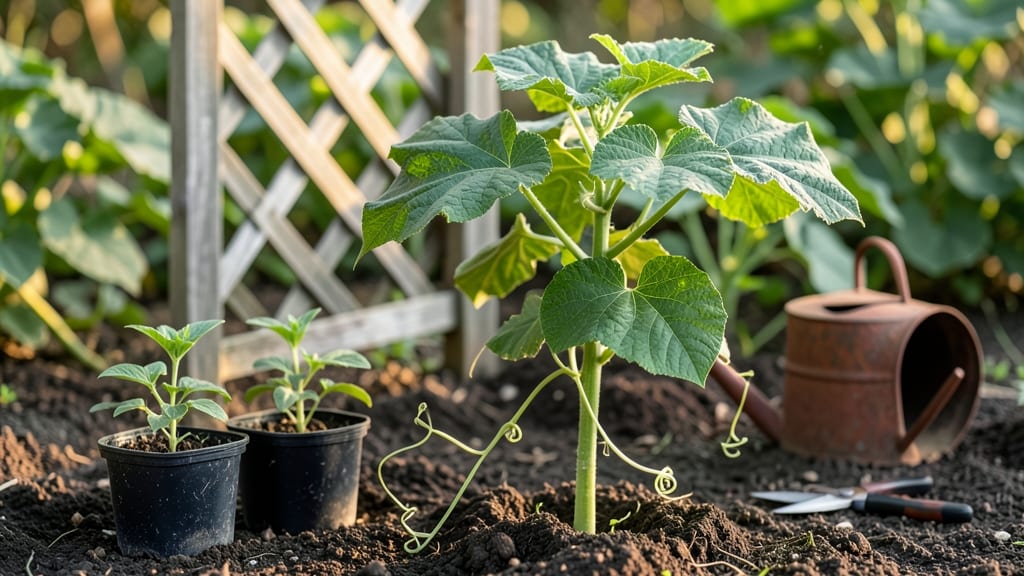
Your new cucumber plants could climb to 10 feet this season with the right trellis training—no more sprawling vines stealing space or rotting in the dirt. 🌱 I learned the hard way that skipping this step means fewer fruits, more pests, and a tangled mess by midsummer.
The secret isn't fancy equipment, but the right technique to guide those vines upward from day one. Start with a sturdy trellis (or even a simple string system) and plant seeds 1 inch deep, spacing them 12 inches apart.
Cucumbers need full sun—at least 6-8 hours daily—and soil that drains well but stays moist. The first few weeks are critical: keep soil consistently damp (not soggy) and watch for powdery mildew, which thrives in crowded, humid conditions.
By the time your vines hit 6 inches tall, they’ll start clinging to the trellis naturally. Gently weave them through the supports as they grow—this isn’t just about space, it’s about airflow and sunlight reaching every leaf.
You’ll harvest straighter, cleaner fruits and avoid the heartbreak of vines collapsing under their own weight. This works for both bush and vining varieties, even in small spaces.
The key is patience: let those tendrils do the work, and you’ll end up with a vertical jungle of crisp, homegrown cucumbers by July.
📚 In This Guide
- What you need
- Instructions
- Tips and common mistakes
- Wrapping up and next steps
What you need
- ● Cucumber Seeds or Seedlings: Vining varieties (e.g., Straight Eight, Marketmore, or Burpee Bush Champion) – 3-5 plants per trellis (spaced 12-24 inches apart).
- ○ Optional: Transplants (start indoors 3-4 weeks before last frost).
- ● Trellis System: Pole Trellis: 8-10 ft tall bamboo stakes, wooden posts, or metal cages (1 per 3-5 plants).
- ● String/Twine: 3/16-inch thick, UV-resistant (20-30 ft per trellis).
- ● Ties: Soft plant ties, old T-shirts, or garden twine (10-15 per plant).
- ● Growing Medium: Well-draining potting mix (for containers) or loamy garden soil (amend with compost).
- ● Container Option: 5-gallon pots or fabric grow bags (1 per plant).
- ● Garden Tools: Trowel, pruners, and gloves.
- ○ Optional: Mulch (straw or black plastic) to retain moisture.
- ● Fertilizer: Balanced 10-10-10 or compost tea (apply at planting and mid-season).
- ● Watering Supplies: Drip irrigation or soaker hose (consistent moisture is key!).
- ● Sunlight: Full sun (6-8+ hours daily)—no shade allowed!
- ● Warmth: Soil temp above 60°F (15°C) (use row covers if needed).
- ● Space: 12-24 inches between plants (or 3-5 ft for sprawling varieties).
- ● Support Setup: Install trellis before planting (or transplant seedlings carefully).
How to train new cucumber plants on a trellis for maximum growth
Here’s how I turn rambling vines into organized, high-yielding pole cucumbers—no tangled messes here.
🌱 Step 1: Choose the Right Trellis and Position
Start with a sturdy 5-6 foot tall trellis (wood, metal, or strong plastic) positioned where it gets full sun (6+ hours daily). I like to anchor mine in the southwest corner of my garden to catch afternoon light. The trellis should be 3-4 feet wide to support 4 plants (one per serving) without overcrowding.
If using a string trellis, attach 3-4 horizontal lines at 12-inch intervals—this gives vines something to grab onto as they grow. For A-frame or cage trellises, skip the strings; the structure itself provides enough support. The key is stability—wind can snap flimsy setups, and cucumbers grow fast.
🌿 Step 2: Plant and Water for Strong Starts
Dig a hole twice as wide as the root ball but only as deep as the container—cucumbers hate being buried too deep. Gently remove the plant from its pot and loosen the roots if they’re circling. Place it in the hole, backfill with soil, and water deeply until the soil is 2 inches damp down.
Mulch around the base with 2-3 inches of straw or shredded leaves to retain moisture and keep soil cool. Here’s the thing—overwatering now causes rot, but underwatering stresses young plants. Water every 2-3 days until vines reach the first trellis line, then adjust as they grow.
☀️ Step 3: Guide Vines Up the Trellis
As soon as vines are 6-8 inches long, gently weave the tip around the nearest trellis string or support. Don’t force it—if it resists, wait a day. You’ll see new growth pointing upward within 3-5 days, signaling it’s ready to climb. I like to loop vines clockwise around the trellis for even distribution.
When vines reach the top of the trellis, pinch off the main stem tip to encourage side shoots. These will produce more flowers and fruit. Watch for tendrils (tiny curly growths)—these are the plant’s natural grabbers. If a vine slips, tie it loosely with soft twine or plant clips to avoid damaging the stem.
✂️ Step 4: Prune for Airflow and Fruit Production
Once vines hit the trellis top, prune aggressively to focus energy on fruit. Remove all leaves below the lowest fruit cluster—this improves airflow and reduces disease risk. I also snip off male flowers (the ones with long stems) if you’re growing parthenocarpic varieties (they self-pollinate). For regular cucumbers, leave a few males to help pollinate.
Here’s the secret: prune in the morning. This gives vines all day to recover before nightfall. You’ll know you’re doing it right when new side shoots appear within 5-7 days—these are your future fruit producers. Never prune more than 1/3 of the vine at once, or you’ll shock the plant.
💧 Step 5: Maintain Through Harvest Season
Water deeply 2-3 times per week, aiming for 1-1.5 inches of water total. Let the top inch of soil dry between waterings—cucumbers hate soggy roots but need steady moisture. I use a soaker hose at the base to avoid wetting leaves (which causes mildew). Fertilize every 3 weeks with a balanced 10-10-10 mix to keep vines vigorous.
Harvest every 2-3 days once fruit starts appearing—this prevents overgrowth and bitter taste. Pick in the morning when cucumbers are firm and cool. If a vine looks yellowing or wilting, it’s time to reduce water slightly and check for pests like cucumber beetles. A neem oil spray keeps them away without harming the plant.
Tips & tricks for perfect cucumber trellis training
Transforming sprawling cucumber vines into neat, productive climbers takes a few key strategies—here's what I've learned after years of trial and error.
Trellis Stability Matters: Your 5-6 foot trellis needs to be anchored securely, especially in windy conditions. I drive metal stakes into the ground at each corner and use heavy-duty zip ties to reinforce connections between trellis sections. This prevents wobbling that can snap tender vines as they grow. The 3-4 foot width specified in Step 1 is perfect for 4 plants—any narrower and you'll risk overcrowding, which leads to disease.
Root Handling Technique: When transplanting, I make a small vertical slit in the root ball with my finger before setting it in the hole. This encourages roots to spread outward rather than circling, which happens when you remove plants from tight containers. The "twice as wide" hole specification in Step 2 is crucial—cucumbers have shallow roots that need room to expand horizontally.
Pruning Timing Secret: That 5-7 day window for new side shoots after pruning in Step 4 is your cue that you're doing it right. I actually set a reminder in my phone for 7 days after my first pruning session to check for these new growths. Morning pruning is non-negotiable—plants need daylight hours to recover, and evening pruning can stress them overnight. Use sharp pruners to make clean cuts just above leaf nodes to prevent disease entry.
Harvesting Hack: The "every 2-3 days" harvest schedule in Step 5 works best when you develop a routine. I harvest first thing in the morning when cucumbers are crispest and coolest. Use a sharp knife or pruning shears to cut fruit from the vine—never twist or pull, which can damage the plant. I also keep a small basket nearby to avoid dropping cucumbers, which bruises easily and invites rot.
Pro Tips for New Cucumber Plants
- Transforming sprawling cucumber vines into neat, productive climbers takes a few key strategies—here's what I've learned after years of trial and error.
- Trellis Stability Matters: Your 5-6 foot trellis needs to be anchored securely, especially in windy conditions.
- Root Handling Technique: When transplanting, I make a small vertical slit in the root ball with my finger before setting it in the hole.
Frequently asked questions
When is the best time to plant new cucumber plants for trellis training?
For most climates, plant cucumbers after the last frost when soil temperatures reach at least 60°F (15°C). In warm regions, start in early spring; in cooler zones, wait until late spring to early summer. Avoid planting too early—cold soil slows growth and increases disease risk.
Can I train cucumber varieties like ‘Straight Eight’ or ‘Marketmore’ on a trellis?
Yes! While bush cucumbers (like ‘Bush Champion’) aren’t ideal, vining varieties (including ‘Straight Eight’ and ‘Marketmore’) thrive on trellises. Look for labels marked “vining” or “pole-type.” These varieties produce straighter, cleaner fruits and save garden space.
Why are my new cucumber plants wilting or yellowing after trellis training?
Wilting or yellowing often signals underwatering, overwatering, or poor circulation. Check soil moisture (keep it consistently damp but not soggy) and ensure trellis spacing allows airflow. Yellow leaves may also indicate nutrient deficiency—try a balanced fertilizer or compost. Pro tip: Prune lower leaves to improve airflow.
What’s a good alternative if I don’t have a trellis for my new cucumber plants?
No trellis? No problem! Use cattle panels, sturdy stakes, or even a strong fence as DIY supports. For small spaces, try container growing with a vertical trellis or let vines sprawl on the ground (though yields may be lower). If you’re short on time, bush cucumbers grow well without support.
How do I protect new cucumber plants from pests while training them?
Prevent pests like cucumber beetles and aphids with row covers (remove at flowering) or neem oil sprays. Encourage beneficial insects (like ladybugs) by planting companion herbs (dill, basil). For heavy infestations, handpick pests early. Pro tip: Inspect undersides of leaves daily for early signs.
Wrapping up and next steps
Growing new cucumber plants on a trellis isn’t just a gardening hack—it’s your ticket to bountiful, healthy harvests with less space and fewer pests! By embracing pole-climbing techniques, you’ll save energy, improve airflow, and even enjoy sweeter, straighter cukes. 🌱✨
Ready to put your new skills to work? Start by planting those seeds or seedlings this season, and watch your vertical garden transform into a thriving cucumber paradise. Happy gardening—and may your vines climb high and your harvests soar!