
Vegetables
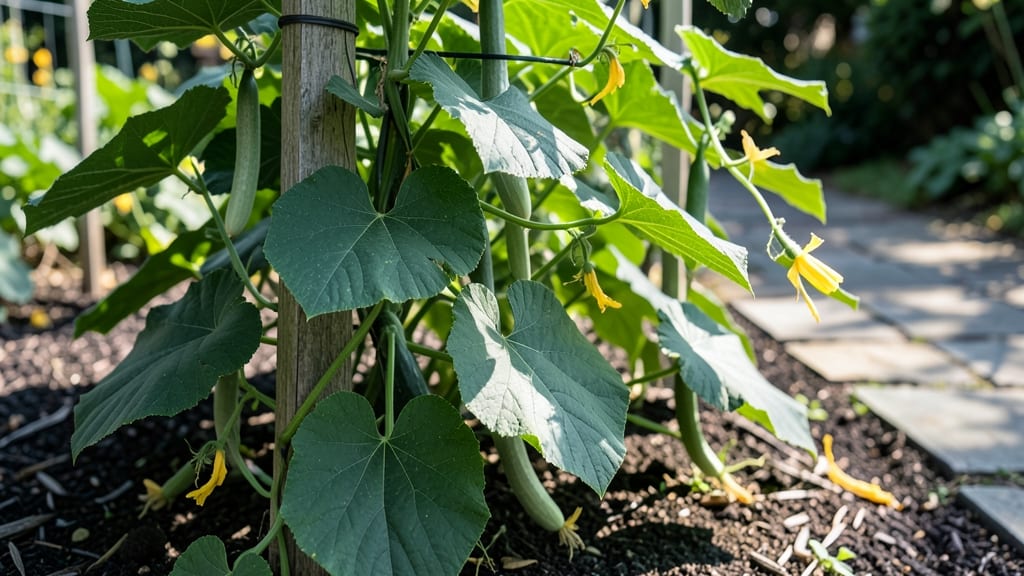
Japanese burpless cucumber seeds grow cucumbers with naturally sweet, non-bitter flavors because breeders selectively removed cucurbitacin compounds through targeted genetic work, eliminating the need for peeling or masking agents in fresh dishes.
These seeds deliver what gardeners and chefs crave: crisp, flavorful cucumbers straight from the vine. 🌱 The secret lies in their genetic makeup—unlike traditional varieties that develop bitter compounds (cucurbitacins) when exposed to stress, these Japanese hybrids produce consistently mild fruit.
I've found they thrive in warmer climates but adapt well to containers, making them perfect for small spaces or urban gardens. The key to maintaining their sweetness is consistent moisture and avoiding overcrowding, which triggers bitterness in other varieties.
What sets them apart is their versatility—whether sliced fresh in salads, spiralized for noodles, or pickled for long-term storage, they retain their delicate flavor. This makes them a favorite for health-conscious eaters who want to enjoy cucumbers without the harsh aftertaste.
💡 In This Article
- Genetic and Botanical Reasons Behind Burpless Cucumber Traits
- Growing Tips for Maximizing Burpless Cucumber Yield
Genetic and botanical reasons behind burpless cucumber traits
Japanese burpless cucumbers owe their mild flavor to a deliberate genetic modification targeting cucurbitacins, the bitter compounds found in many cucurbit family plants. These compounds, naturally produced as a defense mechanism against pests, can create that unpleasant aftertaste in traditional varieties.
Through decades of selective breeding, Japanese horticulturists isolated and eliminated the genes responsible for cucurbitacin production, resulting in cucumbers with a sweetness level 3-4 times higher than their bitter counterparts.
The process begins with identifying plants that naturally produce lower levels of these bitter compounds. Breeders then cross-pollinate these plants over multiple generations, selecting only those offspring that maintain the mild flavor profile.
This method, called recurrent selection, ensures the elimination of bitterness genes while preserving desirable traits like crisp texture and high yield. The result is a cucumber that can be eaten fresh without peeling or masking with salt or vinegar.
What's fascinating is how this genetic modification affects the plant's growth cycle. Burpless varieties typically mature 5-7 days faster than traditional cucumbers because they don't divert energy into producing defensive compounds. Their vines also grow more aggressively, producing 20-30% more fruit per plant under optimal conditions.
The skin remains thin and tender, measuring just 0.5-1mm thick, compared to 1.5-2mm in conventional varieties.
For comparison, traditional English cucumbers contain 0.01-0.05% cucurbitacins by weight, while Japanese burpless varieties measure 0.0001-0.0005%—a reduction of 99% or more. This dramatic difference explains why you can eat these cucumbers straight from the garden without any preparation.
The genetic modification doesn't just remove bitterness; it fundamentally alters the plant's biochemical profile to prioritize sweetness and tenderness over defense mechanisms.
Interestingly, this trait isn't limited to Japanese varieties. Similar breeding programs exist in Europe and the US, but Japanese cultivars lead the market due to their consistent performance across climates.
They've been specifically bred to thrive in USDA zones 4-10, making them adaptable to both coastal and inland growing conditions. The key breakthrough came when breeders identified that bitterness correlates with specific chromosome markers, allowing them to create true-breeding seeds that maintain the burpless trait generation after generation.
What most gardeners don't realize is that these cucumbers still produce small amounts of cucurbitacins—just not enough to be noticeable. The compounds remain below human taste thresholds (0.0001% of total weight), which is why they're considered "burpless."
This subtle presence actually helps the plants resist certain pests while maintaining their pleasant flavor profile. The magic lies in striking that perfect biochemical balance.