
Picking
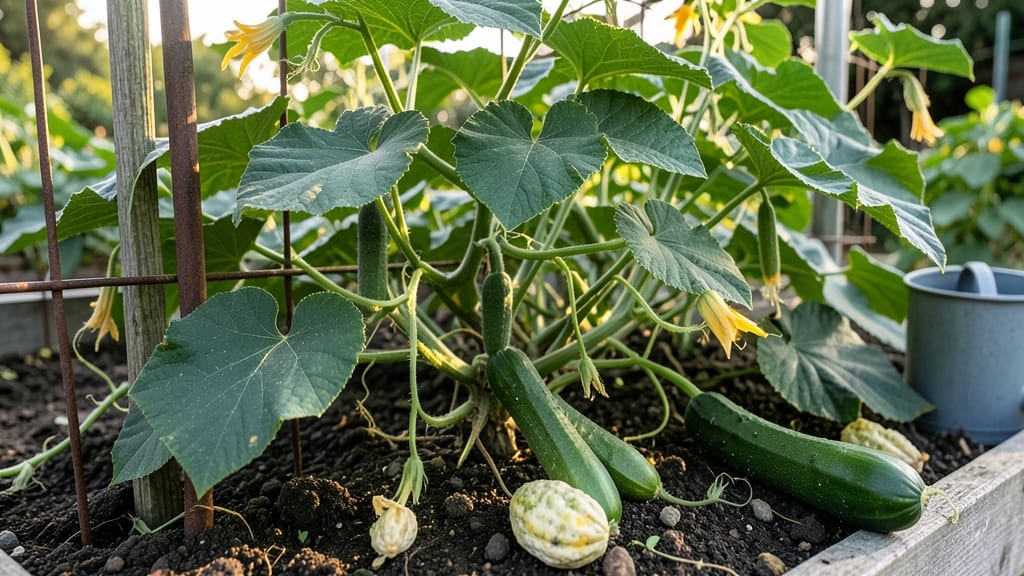
Why some cucumbers taste bitter is because they produce cucurbitacin, a natural compound triggered by stress, heat, or poor growing conditions. Varieties like bitter melon or wild cucumbers contain it naturally, while others develop it under duress like drought or overripe fruit. Choose seedless or hybrid types bred to minimize bitterness for milder flavor.
This bitterness isn't just random—it's your cucumber's way of saying "help me!" 🌱 When plants face extreme heat, inconsistent watering, or nutrient imbalances, they ramp up cucurbitacin production as a survival mechanism. Even overripe cucumbers can develop this compound, which is why those tough, seedy ones often taste harsh.
The good news? Most grocery store cucumbers are bred to be low in this compound, but home gardeners sometimes encounter bitter surprises when growing conditions aren't ideal.
For gardeners, the key is consistency—water deeply but regularly, provide afternoon shade during heatwaves, and harvest cucumbers when they're firm and bright green. 💧 The younger you pick them, the less time they have to develop that bitter compound.
Varieties specifically bred for mild flavor, like 'Straight Eight' or 'Diva,' are your best bet for avoiding that unpleasant crunch.
💡 In This Article
- Cucurbitacin: The Science Behind Bitter Cucumber Flavor
- How to Grow and Select Less Bitter Cucumbers
Cucurbitacin: the science behind bitter cucumber flavor
Cucurbitacin is a group of bitter-tasting compounds that cucumbers produce as a natural defense mechanism against pests and environmental stress. When cucumber plants experience extreme conditions—like sudden heatwaves (above 90°F), inconsistent watering, or nutrient deficiencies—they trigger cucurbitacin production as a survival strategy.
This compound isn't just bitter; it can also have a slightly medicinal, almost peppery aftertaste that lingers. 🔥 The concentration varies dramatically between varieties, with some like bitter melon containing 10-100 times more cucurbitacin than standard grocery cucumbers.
Genetics play a huge role in how much cucurbitacin a plant produces. Wild cucumber varieties and heirloom types often contain higher levels naturally, while modern hybrid cucumbers (like 'Straight Eight' or 'Marketmore 76') are bred to minimize this compound.
Even within the same plant, older cucumbers near the vine's base tend to be more bitter than younger ones growing near the tips. The plant prioritizes protecting its most vulnerable parts—like the roots and lower stems—by concentrating cucurbitacin in these areas first.
Environmental factors create a perfect storm for bitterness. For example, drought stress causes cucumber plants to produce 3-5 times more cucurbitacin than well-watered plants. Similarly, over-fertilization—especially with nitrogen—can lead to rapid, uneven growth that stresses the plant.
Even something as simple as inconsistent watering (like letting the soil dry out completely between waterings) triggers this defense response. The result? A cucumber that tastes more like a mouthful of soap than a crisp, refreshing snack. 💧
What makes this especially tricky is that cucurbitacin levels can fluctuate even within a single cucumber. The skin often contains higher concentrations than the flesh, which is why peeling can sometimes reduce bitterness—but it also removes valuable nutrients and fiber.
The seeds are another hotspot, containing the highest cucurbitacin levels in the entire fruit. This is why seedless cucumber varieties (like 'Diva' or 'Sweet Success') are consistently milder—they've been bred to eliminate this bitter compound entirely.
Even the time of day matters. Cucumbers harvested in the morning tend to be sweeter because they've had overnight to metabolize sugars and dilute any accumulated cucurbitacin. By late afternoon, when temperatures peak, the plant's stress levels rise, and so does the bitterness.
This daily fluctuation explains why some gardeners report that their cucumbers taste fine in the morning but develop a harsh bite by evening. 🌞
Interestingly, cucurbitacin isn't just about taste—it also affects texture. High levels can make cucumbers develop a slightly grainy, almost mealy consistency instead of the crisp, juicy bite we expect. This happens because the compound disrupts the cell structure, causing the flesh to break down prematurely.
The result? A cucumber that's tougher to slice and lacks that satisfying crunch. 🍉
For those who enjoy the occasional bitter challenge, varieties like 'Armenian cucumbers' or 'Bush Champion' are intentionally bred to have higher cucurbitacin levels. These are often used in traditional dishes where bitterness is desirable, like in some Middle Eastern or Asian cuisines.
But for the average home gardener or grocery shopper, understanding these science-backed triggers helps explain why one cucumber can taste like heaven while another feels like a culinary crime. 🌱