
Container Gardens
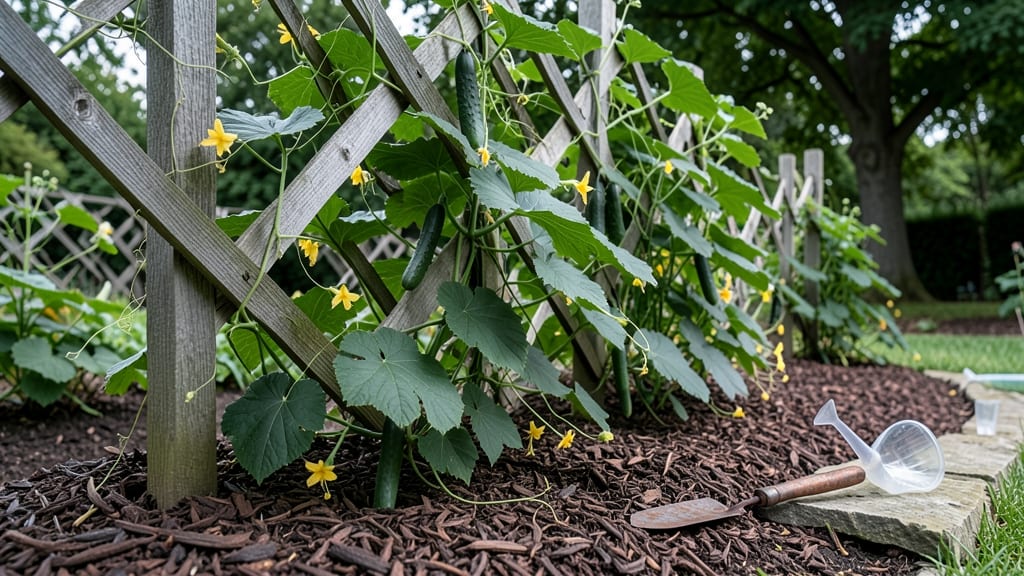
Growing cucumbers in Florida means beating the heat and humidity—but I’ve done it so well that my neighbors now ask for seedlings every spring. 🌱 The secret isn’t fighting the climate; it’s choosing the right varieties and giving them exactly what they crave: shade, consistent water, and a little extra care to keep diseases at bay.
Start with heat-tolerant varieties like ‘Straight Eight’ or ‘Suyo Long’—they thrive in Florida’s sweltering summers and produce fruit even when temperatures flirt with 95°F. Plant them in late winter or early spring, giving vines plenty of space (or a sturdy trellis) to climb out of the oppressive ground heat.
The soil should drain well but stay moist—think of it as a sponge, not a desert.
By mid-summer, you’ll be harvesting crisp, sweet cucumbers that put store-bought ones to shame. The key is watching for powdery mildew (a Florida favorite) and treating it early with neem oil or copper fungicide. With the right setup, my vines produce throughout the year, even in the dog days.
This method works for both backyard plots and containers—perfect for urban gardeners or those with limited space. Here’s how to make it happen without the usual Florida struggles.
📚 In This Guide
- What you need
- Instructions
- Tips and common mistakes
- Wrapping up and next steps
What you need
- ● Cucumber seeds or seedlings: Choose heat-resistant varieties like ‘Straight Eight’, ‘Lemon Cucumber’, or ‘Armenian’ (3–5 plants per container or 1 plant per 12–18" of row space).
- ● Containers (if gardening in pots): At least 5-gallon pots or larger (12"+ diameter) with drainage holes. Pro tip: 💡 Use fabric grow bags for better aeration!
- ● High-quality potting mix: Well-draining, organic mix (avoid garden soil—it compacts easily). Add perlite or vermiculite for extra drainage.
- ● Compost or organic fertilizer: Balanced (10-10-10) or veggie-specific blend (1 tbsp per plant at planting; ½ tbsp every 2–3 weeks).
- ● Mulch: Straw or black plastic (to retain moisture and suppress weeds).
- ● Trellis or stakes: 4–6 ft tall (cucumbers vine aggressively—support saves space and improves air circulation!).
- ● Hand trowel or small shovel (for transplanting seedlings).
- ● Watering can or hose with gentle nozzle (keep soil consistently moist but not soggy).
- ● Pruning shears (to trim excess vines and encourage fruit production).
- ● Row covers or shade cloth (30–50%) (for young plants in peak summer to prevent bolting).
- ● Epsom salt (magnesium sulfate) (1 tbsp dissolved in water monthly for leaf health).
- ● Pest control: Neem oil (for aphids/spider mites) or copper tape (to deter cucumber beetles).
Step-by-Step instructions for growing cucumbers in Florida
Here’s how to grow heat-tolerant cucumbers that thrive in Florida’s long, hot seasons.
🌱 Step 1: Select Heat-Resistant Varieties and Prepare Soil
Florida’s heat demands cucumber varieties bred for high temperatures. I always choose ‘Straight Eight’ or ‘Lemon Cucumber’—both handle 90°F+ better than standard types. Start by testing your soil’s pH (aim for 6.0-6.8). Florida’s sandy soil drains too fast, so mix in 2-3 inches of compost to retain moisture and nutrients.
Work the compost into the top 6-8 inches of soil. Avoid fresh manure—it burns tender roots. If your soil feels gritty when dry, add pearlite or vermiculite to improve aeration. This ensures roots breathe and water penetrates evenly, preventing wilting during afternoon heat.
☀️ Step 2: Plant at the Right Time and Depth
Wait until soil temperatures reach 65°F—colder soil slows germination. In Florida, this is typically mid-March to early April for spring plantings or August to September for fall. Plant seeds ½ inch deep, spacing them 3-4 inches apart in rows 4-6 feet apart. Cucumbers are vining plants, so give them room to sprawl.
If starting indoors, sow seeds 2-3 weeks before the last frost in biodegradable pots (they hate root disturbance). Harden off seedlings by placing them outside for 1-2 hours daily the week before transplanting. Watch for first true leaves—that’s your cue they’re ready for the ground.
💧 Step 3: Water Deeply and Mulch to Retain Moisture
Florida’s sun evaporates moisture fast, so water deeply at the base every 2-3 days—aim for 1 inch of water weekly. Use a drip irrigation system or soaker hose to avoid wetting leaves (prevents fungal diseases like powdery mildew). Water in the early morning so foliage dries by afternoon.
Spread 2-3 inches of straw or black plastic mulch around plants. Mulch keeps soil 5-10°F cooler, reduces evaporation, and suppresses weeds. Replenish mulch every 4-6 weeks as it breaks down. You’ll notice fewer wilting leaves and stronger vines when moisture stays consistent.
✂️ Step 4: Train Vines and Prune for Better Airflow
Cucumbers climb, so install trellises or stakes when vines reach 12 inches. Training vines upward saves space and improves airflow, cutting disease risk. Gently tie vines to supports with soft plant ties every 6-8 inches as they grow. Avoid metal ties—they can cut into tender stems.
Prune regularly to remove yellow or diseased leaves and side shoots growing below the first 6 inches. This directs energy to fruit production. Watch for male flowers (smaller, on long stems) and female flowers (tiny cucumbers at the base)—pinch off male flowers if you want more female blooms (and thus more cucumbers).
🌿 Step 5: Harvest and Maintain for Continuous Production
Harvest cucumbers when they’re 6-8 inches long for peak flavor. Use shears or a sharp knife to cut stems—never pull fruits, or you’ll damage vines. Pick every 2-3 days to encourage more production. Store harvested cucumbers in the fridge for 5-7 days (they soften quickly in Florida’s heat).
Fertilize lightly every 3-4 weeks with a balanced 10-10-10 formula. Over-fertilizing leads to leafy growth with few cucumbers. If vines slow down in late summer, give them a low-nitrogen boost to revive growth. Keep an eye out for squash bugs or cucumber beetles—handpick them early to avoid infestations.
Tips & tricks for growing heat-resistant cucumbers in Florida
Florida’s heat turns many gardeners away from cucumbers—but these tricks will help you grow a thriving patch even when temperatures soar.
Variety Selection Matters: The ‘Straight Eight’ and ‘Lemon Cucumber’ varieties mentioned in Step 1 are your best bets for Florida’s climate. These heat-tolerant types can handle the 90°F+ temperatures that would stress regular cucumbers. If you want to experiment, ‘Armenian’ cucumbers also thrive in heat and produce fruit continuously. Look for seeds labeled "heat-resistant" or "disease-resistant" to avoid common Florida gardening pitfalls.
Soil Prep for Sandy Conditions: Florida’s sandy soil drains too quickly, which can stress cucumber roots. When mixing in 2-3 inches of compost as directed in Step 1, consider adding a handful of worm castings to the mix—worms improve soil structure and add beneficial microbes. If your soil feels excessively gritty, work in 1 part coconut coir to 3 parts soil to improve water retention without compacting the roots.
Watering Strategy for Extreme Heat: Florida’s intense sun means you’ll need to water more frequently than the 2-3 days suggested in Step 3. On days when temperatures exceed 95°F, water in the early morning and late afternoon instead of just once. A drip irrigation system is ideal—it delivers water directly to the roots without wetting leaves, which helps prevent powdery mildew. If you’re using a hose, aim for a slow, deep soak rather than a quick spray.
Pest Prevention in Humid Conditions: Florida’s humidity creates the perfect environment for pests like squash bugs and cucumber beetles. In Step 5, the instructions mention handpicking them early, but you can also create a barrier using row covers when plants are young. Once flowers appear, remove the covers to allow pollination. For extra protection, plant marigolds or nasturtiums around your cucumber patch—their strong scent repels many garden pests naturally.
Pro Tips for Growing Cucumbers In Florida
- Florida’s heat turns many gardeners away from cucumbers—but these tricks will help you grow a thriving patch even when temperatures soar.
- Variety Selection Matters: The ‘Straight Eight’ and ‘Lemon Cucumber’ varieties mentioned in Step 1 are your best bets for Florida’s climate.
- Soil Prep for Sandy Conditions: Florida’s sandy soil drains too quickly, which can stress cucumber roots.
Frequently asked questions
Got questions about growing cucumbers in Florida’s sun-soaked climate?
You’re not alone! Here are answers to the most common queries—from picking the right time to troubleshooting pesky pests.
When is the best time to plant cucumbers in Florida?
Florida’s long growing season lets you plant cucumbers year-round, but timing matters! Start seeds or transplants in early spring (Feb–March) for summer harvests or late summer (Aug–Sept) for fall/winter crops. Avoid planting during extreme heat (June–July) unless using heat-tolerant varieties like ‘Straight Eight’ or ‘Marketmore 76.’
Can I grow cucumbers in containers in Florida’s heat?
Florida’s heat is perfect for container cucumbers if you choose the right setup. Use a 5-gallon+ pot with well-draining soil and place it in partial shade (especially in peak afternoon sun). Opt for bush varieties like ‘Bush Champion’ or ‘Spacemaster’ to save space. Pro tip: Add mulch to retain moisture and prevent root stress!
Why are my cucumber plants wilting in Florida’s humidity?
Wilting in Florida’s humidity often signals overwatering, pests, or fungal issues. Check for:
- Yellowing leaves → Fungal disease (e.g., powdery mildew). Improve airflow and spray with neem oil.
- Holes in leaves → Squash bugs or cucumber beetles. Handpick pests or use row covers.
- Dry, crispy edges → Underwatering or salt buildup. Water deeply at the base, not overhead.
What’s the fastest way to harvest cucumbers before they turn bitter?
Florida’s heat speeds up cucumber growth—harvest every 2–3 days to keep plants productive! Pick when cucumbers are firm, bright green, and 6–8 inches long (varies by variety). Use pruning shears or twist gently to avoid damaging vines. Pro tip: Leave a ½-inch stem to prevent disease entry!
Are there cucumber alternatives that thrive better in Florida’s heat?
If cucumbers prove tricky, try these Florida-friendly alternatives:
Plant
Why It Works
Sneeze Weed (Helenium)
Drought-tolerant, attracts pollinators, and edible leaves!
Okra
Heat-loving, low-maintenance, and prolific in Florida’s climate.
Malabar Spinach
Shade-tolerant, everbearing, and packed with nutrients.
Wrapping up and next steps
Growing cucumbers in Florida is a rewarding journey—especially when you choose the right heat-resistant varieties and follow a few key steps! With the perfect balance of sun, soil, and care, you’ll enjoy a bountiful harvest even in the sweltering summers.
Whether you’re a beginner or a seasoned gardener, your container garden can thrive with these tips.
Now that you’re armed with knowledge, it’s time to roll up your sleeves! Start by picking your favorite variety, prepping your containers, and planting those seeds. Watch your garden grow—and soon, you’ll be savoring fresh, homegrown cucumbers all year round! 🌱🍉