
Vegetables
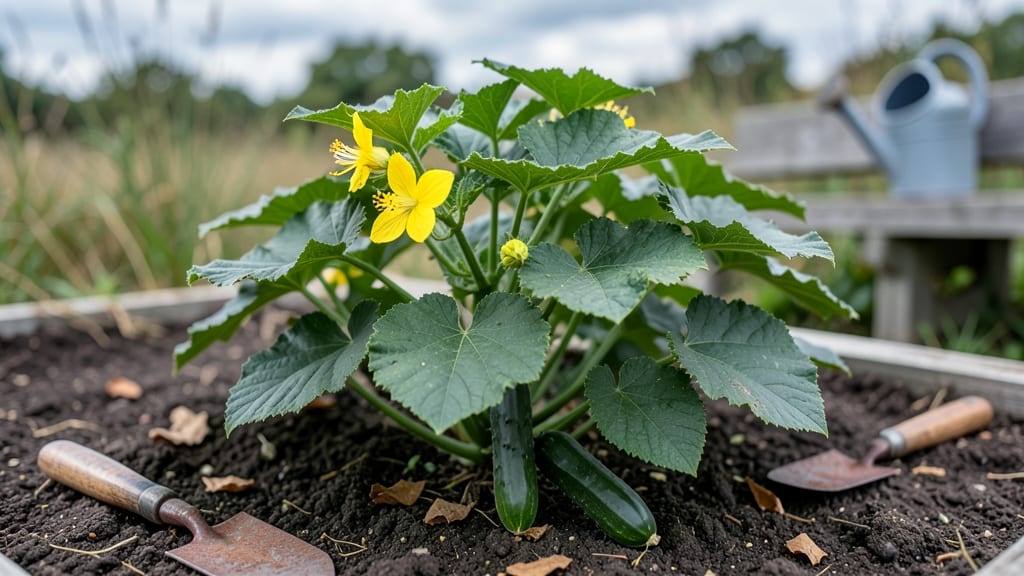
Fifty-five days from seed to your first crisp, no-bloat cucumber—no fuss, no fussiness. 🌱 These burpless bush hybrids grow where most cucumbers refuse: in small spaces, containers, and even balconies. I planted mine last spring and ended up with a table full of perfect, seedless slices without the usual stomachache.
The secret lies in their compact growth habit: no sprawling vines to tame, just neat bushes that stay under 3 feet tall. They thrive in full sun but tolerate partial shade better than traditional cucumbers, and their parthenocarpic trait means you can skip the bees entirely—fruit sets without pollination.
That’s why they’re perfect for urban gardens or anyone tired of cucumber seeds. You’ll harvest 3-5 pounds per plant all season long, with fruit that stays crisp even when left on the vine. The key is keeping soil moist but not soggy, and providing support for those heavy vines.
No more wrestling with trellises or watching cucumbers rot on the ground. Works in containers as small as 5 gallons or directly in garden beds. Here’s how to get started without the usual cucumber headaches.
📚 In This Guide
- What you need
- Instructions
- Tips and common mistakes
- Wrapping up and next steps
What you need
- ● Seeds: 5–10 burpless bush hybrid cucumber seeds (e.g., 'Burpless Bush' or 'Sweet Success').
- ● Containers or Garden Bed: Option 1: 5-gallon pots or larger (1 plant per container, 12–18" deep).
- ● Option 2: Raised bed or in-ground plot (space plants 18–24" apart).
- ● Potting Mix: 1–2 bags of well-draining, organic potting soil (or garden soil amended with compost).
- ● Fertilizer: Balanced fertilizer (10-10-10) or compost (for organic gardening).
- ○ Slow-release granular fertilizer (optional, for extended growth).
- ○ Trellis or Cage (Optional): Small stakes or a 2–3 ft tall cage to support vines (bush varieties need minimal support).
- ● Watering Can or Hose: With a gentle spray nozzle for even moisture.
- ○ Mulch (Optional): Straw or shredded leaves to retain soil moisture and suppress weeds.
- ● Sunlight: Full sun (6–8 hours daily)—no compromise here!
- ● Temperature: Plant after the last frost when soil is at least 55°F (13°C).
- ● Water: Consistent moisture (avoid soggy soil—drainage is key!).
- ● pH Level: Slightly acidic to neutral soil (pH 6.0–6.8).
Step-by-Step instructions for growing burpless bush hybrid cucumbers
Here's how to grow these fast, compact cucumbers without the usual stomach trouble.
🌱 Step 1: Start Seeds Indoors 3-4 Weeks Before Last Frost
Fill 2-3 inch deep seed-starting trays with the seed-starting mix and moisten it until damp but not soggy. Press the mix down gently to remove air pockets. Plant 2-3 seeds per cell at a depth of ½ inch—just deep enough to cover them lightly. I like to use a toothpick to make small holes for precision planting.
Cover the trays with a clear plastic dome or plastic wrap to retain warmth and moisture. Place them in a warm spot, ideally 75-85°F. You'll see sprouts in 5-7 days—watch for the first tiny leaves to appear above the soil. Once they emerge, remove the cover immediately to prevent fungal growth.
☀️ Step 2: Provide Bright Light and Harden Off Seedlings
Move the seedlings under grow lights or to a south-facing window as soon as they sprout. They need 12-14 hours of light daily to prevent leggy growth. If you notice stems stretching toward the light or leaves turning pale, your seedlings need more intensity—adjust the light to within 2-3 inches of the plants.
Two weeks before transplanting, start hardening off the seedlings. Place them outside in a sheltered spot for 1-2 hours the first day, gradually increasing exposure over 7-10 days. This toughens their stems so they can handle outdoor conditions. Watch for wilting—if it happens, they're not ready yet and need more time.
🪴 Step 3: Transplant to Containers or Garden Beds
Choose a location with full sun (6-8 hours daily) and well-draining soil. These bush varieties thrive in 5-gallon containers or garden beds with 18-24 inches of space between plants. If planting in containers, use a mix of potting soil and compost for nutrients. Dig holes slightly larger than the root ball and place each seedling in, covering roots with soil.
Water deeply right after transplanting to settle the soil and remove air pockets. Avoid wetting the leaves to prevent disease. Mulch around the base with 2-3 inches of straw or shredded leaves to retain moisture and suppress weeds. You'll know they're settled in when new leaves appear within 7-10 days.
💧 Step 4: Water and Fertilize for Maximum Yield
Keep the soil consistently moist but not waterlogged—these cucumbers hate soggy roots. Water at the base in the morning to allow foliage to dry before evening. Use a drip irrigation system or soaker hose to deliver water slowly and evenly. You'll see the soil surface dry slightly between waterings, but the top 1-2 inches should stay damp.
Feed the plants every 2-3 weeks with a balanced fertilizer (10-10-10) or a compost tea for organic growth. Stop fertilizing once flowers appear to encourage fruiting. Watch for yellowing leaves—this often signals overwatering or nutrient deficiency. Adjust your care routine accordingly.
✂️ Step 5: Harvest and Maintain for Continuous Production
Start harvesting when cucumbers reach 6-8 inches long—this keeps them tender and flavorful. Use pruning shears or a sharp knife to cut the fruit from the vine, leaving a small stem attached. Harvest every 2-3 days to encourage more production. You'll notice new flowers forming within a week of regular harvesting.
Remove any yellow or diseased leaves immediately to prevent spread. Prune suckers (small shoots growing between the main stem and branches) to redirect energy to fruit production. These bush varieties produce for 4-6 weeks, so keep up with harvesting to enjoy a steady supply of burpless cucumbers.
Tips & tricks for perfect burpless bush hybrid cucumbers
Avoid these common pitfalls to ensure your compact cucumbers thrive from seed to harvest.
Seed-Planting Precision: In Step 1, when planting those 2-3 seeds per cell, use a toothpick to make precise holes in the seed-starting mix. This prevents overcrowding and ensures each seedling gets the space it needs to grow strong. I've found that planting just ½ inch deep gives them the perfect balance of moisture and air circulation—any deeper risks rot, while shallower planting can dry them out too quickly.
Light Intensity Matters: For Step 2, those 12-14 hours of light daily are non-negotiable, but intensity is key. If your seedlings stretch toward the light or develop pale leaves, move your grow lights within 2-3 inches of the plants. I've seen leggy seedlings turn robust just by adjusting the light distance—it's amazing how much a few inches can change their growth pattern.
Transplanting Timing: In Step 3, wait until you see new leaves appear within 7-10 days after transplanting before you know they're settled. This visual cue tells you the roots have established properly. I always check the soil moisture before transplanting—it should be damp but not soggy, as these cucumbers hate waterlogged roots.
Harvesting Consistency: The 2-3 day harvesting window in Step 5 is crucial for continuous production. I've learned that picking at 6-8 inches keeps them tender, but waiting too long makes them tough and seedy. Use pruning shears for clean cuts—this prevents damaging the vine and encourages more fruit to develop.
Pro Tips for Burpless Bush Hybrid Cucumber
- Avoid these common pitfalls to ensure your compact cucumbers thrive from seed to harvest.
- Seed-Planting Precision: In Step 1, when planting those 2-3 seeds per cell, use a toothpick to make precise holes in the seed-starting mix.
- Light Intensity Matters: For Step 2, those 12-14 hours of light daily are non-negotiable, but intensity is key.
Frequently asked questions
Got questions about growing burpless bush hybrid cucumbers? You’re not alone!
Here are answers to the most common queries—from seedling tips to harvest hacks.
How do I know if my burpless bush cucumbers are truly "burpless"?
These cucumbers are bred to be low in cucurbitacin (the compound that causes bitterness). However, bitterness can still develop if the plant is stressed (like from heat or drought). To avoid it, pick cucumbers when they’re 6–8 inches long and harvest frequently. If you taste a hint of bitterness, try a different variety or grow in cooler conditions.
Why aren’t my burpless bush cucumbers producing fruit?
Bush cucumbers thrive in warm soil (70°F+) and need both male and female flowers for pollination. If you’re not seeing fruit, check for:
These compact plants are perfect for containers (5-gallon pots or larger). Use a well-draining potting mix and place them in full sun (6+ hours/day). Just ensure the container has drainage holes to prevent root rot. For extra yield, train vines with a small trellis or cage. If you’re exploring other no-fuss, bush-type veggies, try:
Yellow leaves usually signal overwatering, underwatering, or nutrient issues. Check:
Give them time—they’ll start producing in 55–60 days from seed!
Can I grow burpless bush cucumbers in containers?
What’s the best alternative if I don’t like cucumbers?
All three are low-maintenance and great for small spaces!
My burpless bush cucumbers are yellowing—what’s wrong?
Adjust care, and your plants should bounce back in 1–2 weeks!
Wrapping up and next steps
Ready to enjoy crisp, refreshing cucumbers without the bloat? The burpless bush hybrid is your ticket to a no-fuss, high-yield harvest in just 55 days—perfect for beginners and seasoned gardeners alike! 🌱 With the right soil, sunlight, and care, you’ll be feasting on homegrown goodness in no time.
Now that you’re armed with tips and answers, grab those seeds and get planting! Share your progress with fellow gardeners or experiment with recipes—your next burpless cucumber masterpiece is just a season away. 🌟