
Companion Plants
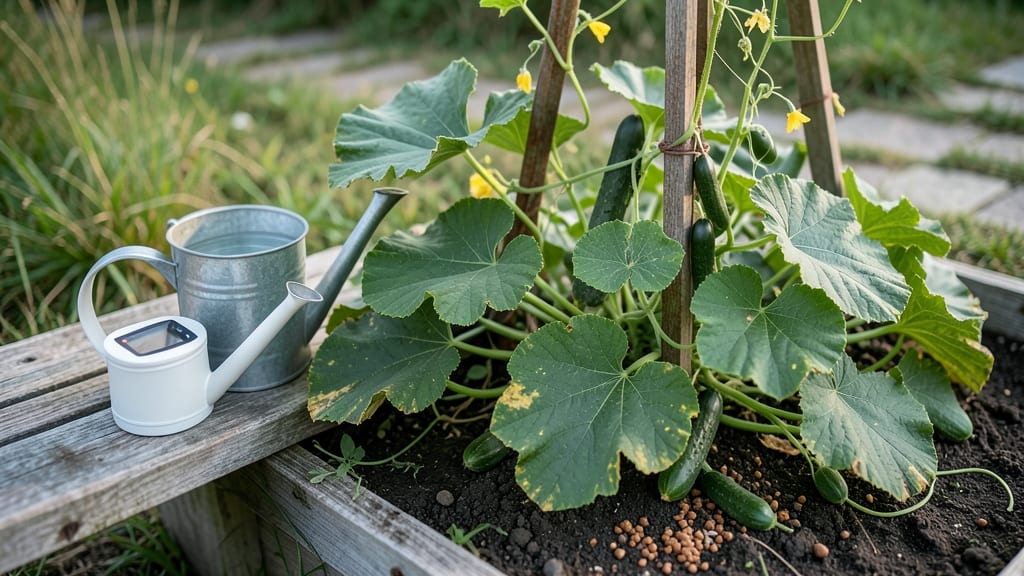
Your cucumber plants turning yellow isn’t just a cosmetic issue—it’s a cry for help from your vines. 🌱 Whether it’s soggy roots or starving leaves, the fix depends on spotting the exact pattern: uniform yellowing, crispy edges, or patchy spots.
I’ve diagnosed every type of yellow in my own garden, and the solutions are simpler than you’d think—once you know what to look for.
Overwatering shows up with limp, pale leaves that stay yellow even when dry, while nutrient deficiencies create yellowing between veins that spreads outward. The good news? Both problems have quick fixes: adjust your watering schedule or feed with a balanced fertilizer, and you’ll see green return within a week.
I’ve revived plants that looked done for with just these two tweaks.
Disease or pests? Check for spots, holes, or webbing first. If it’s bugs, a strong spray of water or neem oil does the trick. For fungal issues, prune affected leaves and improve airflow.
The key is acting fast—yellowing spreads when ignored, but with the right approach, your plants bounce back stronger than ever.
This guide covers the most common causes and their fixes, so you can diagnose and treat your cucumbers before the problem spreads. No more guessing—just clear steps to get your vines thriving again. Let’s turn that yellow back to vibrant green.
Root Causes Of Yellow Leaves
Yellowing cucumber leaves are your plant’s way of screaming for help—often in Morse code. 🌱💛 Understanding the why behind the discoloration is the first step to saving your harvest.
Below, we break down the most common culprits, complete with the science and actionable fixes to get your vines back to vibrant green.
When your cucumbers’ roots sit in soggy soil for too long, they suffocate. Oxygen deprivation triggers chlorosis—the loss of chlorophyll, which turns leaves yellow. Worse, waterlogged roots can’t absorb nutrients, leading to nutrient deficiency symptoms that mimic other issues.
Why it happens:
- Excess moisture disrupts root respiration, starving cells of energy.
- Compacted or clay-heavy soil traps water, preventing roots from accessing air.
- Lack of drainage in containers or raised beds forces roots to drown.
🔍 Tell-tale signs:
- Yellowing starts at the older (bottom) leaves first.
- Soil smells musty or sour.
- Leaves may feel slimy or mushy when touched.
💡 Pro Tip: Stick your finger 1–2 inches into the soil—if it’s damp after 24 hours, you’re overwatering. Cucumbers thrive with 1–1.5 inches of water per week (more in heatwaves), but they hate wet feet.
Nitrogen is the MVP of leafy greens, and cucumbers are no exception. Without enough, leaves lose their green pigment (chlorophyll) and turn yellow, often starting between the veins—a classic sign of interveinal chlorosis.
Why it happens:
- Soil depletion: Frequent harvesting or poor soil prep exhausts nitrogen.
- Imbalanced fertilizer: Too much phosphorus/potassium without nitrogen throws plants off.
- Microbe disruption: Over-sterilized soil (e.g., from harsh chemicals) kills nitrogen-fixing bacteria.
🔍 Tell-tale signs:
- Yellowing spreads from older to younger leaves.
- Stunted growth or weak stems.
- Pale green/yellow leaves with green veins (like a tie-dye pattern).
💡 Pro Tip: Test your soil’s nitrogen levels (home kits work!). Feed with compost, fish emulsion, or a balanced 10-10-10 fertilizer every 3–4 weeks. For a quick fix, top-dress with alfalfa meal (rich in nitrogen).
Pests like aphids, spider mites, and cucumber beetles drain sap from leaves, disrupting chlorophyll production. Their saliva can also trigger toxic reactions that cause yellowing or browning.
Why it happens:
- Aphids cluster on undersides, excreting honeydew (a sugary film that attracts sooty mold).
- Spider mites thrive in dry heat, piercing cells and causing stippling (tiny yellow dots).
- Cucumber beetles transmit bacterial wilt, which turns leaves yellow and crispy before wilting.
🔍 Tell-tale signs:
- Sticky residue on leaves (honeydew).
- Webbing (spider mites) or chewed edges (beetles).
- Curling or distorted new growth.
💡 Pro Tip: Blast pests off with a strong spray of water (💦) or use neem oil (1 tsp per quart of water). For beetles, row covers are your best defense—remove them during pollination if using hand-pollination.
Pathogens like powdery mildew, downy mildew, or bacterial leaf spot thrive in humid conditions, causing yellowing, spotting, or crinkling. These diseases block nutrient uptake and weaken the plant’s structure.
Why it happens:
- High humidity (especially at night) + poor airflow = fungal feast.
- Overhead watering splashes spores onto leaves.
- Contaminated tools or soil spreads bacteria.
🔍 Tell-tale signs:
- Powdery mildew: White, powdery patches on upper leaves (yellowing follows).
- Downy mildew: Yellow spots on top, purple fuzz on undersides.
- Bacterial spot: Water-soaked yellow/brown lesions with yellow halos.
💡 Pro Tip: Improve airflow with pruning and spacing plants 2–3 feet apart. Treat with copper fungicide or baking soda spray (1 tsp baking soda + 1 quart water + drop of soap). Remove infected leaves immediately to stop spread.
Cucumbers are tropical annuals—they bolt (produce flowers/fruit rapidly) when stressed by extreme temps. Sudden heat or cold can disrupt photosynthesis, leading to yellowing.
Why it happens:
- Heat stress: Temps above 90°F (32°C) cause protein breakdown in leaves.
- Cold damage: Below 50°F (10°C) slows metabolism, turning leaves yellow or purple.
- Transplant shock: Moving plants without acclimating stresses roots.
🔍 Tell-tale signs:
- Yellowing across entire leaves (not just edges/veins).
- Wilting even when soil is moist (heat stress).
- Purple tinges on undersides (cold stress).
💡 Pro Tip: Use shade cloth in peak summer or row covers for spring/fall. Mulch with straw to regulate soil temp. If transplanting, harden off seedlings for 5–7 days before moving outdoors.
A mix of overwatering + fungal/bacterial infection leads to root rot, where roots turn mushy and black. The plant can’t absorb water or nutrients, causing systemic yellowing (often starting at the base).
Why it happens:
- Fungal invaders like Phytophthora or Pythium thrive in wet conditions.
- Poor drainage + contaminated soil create the perfect storm.
- Weakened plants (from other stressors) are easier targets.
🔍 Tell-tale signs:
- Yellowing spreads from bottom to top rapidly.
- Black, smelly roots when dug up.
- Wilting despite moist soil.
💡 Pro Tip: If caught early, prune affected roots and repot in sterile, well-draining soil. For severe cases, replace the plant—root rot is often fatal. Prevent it with drip irrigation (not overhead) and fungicide-treated soil.
Even if nitrogen is present, lack of micronutrients (like magnesium, iron, or zinc) can cause yellowing. These deficiencies often show up in specific patterns based on the nutrient missing.
| Nutrient | Symptoms | Quick Fix |
|---|---|---|
| Magnesium | Yellowing between veins (older leaves first) | Epsom salt (1 tbsp per gallon of water) |
| Iron | Interveinal chlorosis (young leaves) | Chelated iron spray or iron sulfate |
| Zinc | Stunted growth + yellowing on new leaves | Zinc sulfate (1 tsp per gallon) |
| Potassium | Yellow edges/browning (older leaves) | Banana peel tea or potassium sulfate |
Why it happens:
- Alkaline soil (pH > 7.0) locks out iron/manganese.
- Over-fertilizing with nitrogen without balancing other nutrients.
- Poor soil structure prevents root access to minerals.
💡 Pro Tip: Test your soil’s pH—cucumbers prefer 6.0–6.8. Amend with sulfur (to lower pH) or lime (to raise it) as needed. For a fast boost, use liquid chelated micronutrients.
How to Revive Your Cucumber Plants
Yellowing cucumber leaves don’t mean your harvest is doomed—just that your plants need a little TLC! 🌱 Whether the issue is overwatering, nutrient deficiency, pests, or disease, these targeted fixes will help your cucumbers bounce back.
Below, we break down practical solutions for each common cause, plus prevention tips to keep your plants lush and productive.
If your soil feels soggy or waterlogged, your cucumbers are drowning—literally! Root rot and yellowing leaves often stem from too much moisture.
How to Fix It:
- 🔥 Stop Watering Immediately
- Let the top 1–2 inches of soil dry out before watering again. Stick your finger in the soil—if it’s damp past your first knuckle, wait.
- 🍳 Improve Soil Drainage
- Mix in compost or perlite (1 part to 3 parts soil) to loosen heavy clay or compacted dirt. This helps roots breathe.
- If potted, ensure containers have drainage holes and use a well-draining potting mix.
- 👨🍳 Adjust Your Watering Routine
- Water deeply but less frequently—aim for 1–1.5 inches per week, including rain. Use a soaker hose or drip irrigation to deliver water at the base.
- Water in the early morning to reduce evaporation and fungal risks.
- ⏰ Monitor for Recovery
- Yellowing from overwatering usually improves in 3–7 days if roots aren’t severely damaged. If leaves stay yellow and mushy, you may need to trim affected foliage to redirect energy.
💡 Prevention Tips:
- Test your soil with a moisture meter or the finger test before watering.
- Mulch (straw or shredded leaves) to retain moisture without over-saturating soil.
- Avoid watering leaves—direct water to the soil to prevent fungal diseases like powdery mildew.
Yellow leaves with green veins or stunted growth? Your cucumbers are hungry—likely for nitrogen, magnesium, or iron.
How to Fix It:
- 📊 Diagnose the Deficiency
- Nitrogen deficiency? Older leaves yellow first (start at the base).
- Magnesium (potassium) deficiency? Yellow patches between veins (interveinal chlorosis).
- Iron deficiency? Young leaves turn yellow while veins stay green.
- 💪 Apply the Right Fertilizer - For nitrogen: Use a balanced fertilizer (10-10-10) or compost tea.
Avoid overdoing it—too much nitrogen = leafy growth, fewer cucumbers! - For magnesium: Sprinkle Epsom salt (1 tbsp per gallon of water) every 2 weeks. - For iron: Use a chelated iron supplement (like iron sulfate) or apply fish emulsion.
- 🥗 Boost Soil Health Naturally
- Compost or worm castings add organic matter and slow-release nutrients.
- Banana peels (for potassium) or crushed eggshells (for calcium) can help—bury them near roots.
- ✨ Prevent Future Deficiencies
- Rotate crops—don’t plant cucumbers in the same spot yearly.
- Test soil pH (ideal: 6.0–6.8). Use lime to raise pH or sulfur to lower it if needed.
Yellowing leaves with holes, spots, or sticky residue? Pests or pathogens are likely to blame.
How to Fix It:
- 🔪 Identify the Culprit
- Aphids/spider mites? Tiny bugs, yellow stippling, webbing.
- Powdery mildew? White powdery coating on leaves.
- Bacterial leaf spot? Dark spots with yellow halos.
- 🛡️ Treat Infestations
- Pests:
- Spray with neem oil (1 tsp per quart of water) or insecticidal soap.
- Introduce beneficial insects (ladybugs, lacewings) or companion plants (marigolds, basil).
- Fungal diseases:
- Remove infected leaves immediately.
- Apply copper fungicide or a baking soda spray (1 tsp baking soda + 1 quart water + few drops of soap).
- Pests:
- 🌿 Prevent Reinfestation
- Rotate crops and clean garden tools with rubbing alcohol.
- Space plants properly (12–24 inches apart) for airflow.
- Water at the base to keep foliage dry.
If leaves turn yellow and crispy with brown edges, your cucumbers are sunburned or wilting from heat.
How to Fix It:
- 🌳 Provide Temporary Shade
- Use shade cloth (30–50%) or row covers during peak afternoon sun (12–4 PM).
- Plant near taller crops (like corn or sunflowers) for natural shade.
- 💦 Increase Water Frequency
- In 90°F+ weather, water daily (early morning) to keep soil moist.
- Use mulch to retain moisture and cool roots.
- 🌱 Adjust Planting Location
- Move potted cucumbers to a slightly shadier spot (4–6 hours of sun is enough).
- If in-ground, prune nearby aggressive plants blocking airflow.
- Prune damaged leaves to redirect energy to healthy growth.
- Check for root health—gently dig around the base. Healthy roots are white/firm; rotten roots are black/mushy.
- Repot if needed—if roots are circling or compacted, move to a larger container with fresh soil.
Remember: Cucumbers are resilient! With the right fix, your plants should green up in 1–2 weeks. Keep an eye on them, adjust as needed, and soon you’ll be harvesting crisp, vibrant cucumbers instead of yellowing leaves. 🥒✨
Frequently asked questions
Why do cucumber leaves turn yellow only on the edges?
Edge yellowing usually signals overwatering or potassium deficiency. Check soil moisture first—if it's soggy, reduce watering. For potassium issues, try banana peel tea or a balanced fertilizer. Brown crispy edges also appear in heat stress, so provide afternoon shade during hot spells.
Can I still harvest cucumbers if the leaves are yellow?
Yes, but focus on young, healthy leaves that remain green. Yellow leaves indicate the plant is redirecting energy to survival, so existing fruit may still ripen. Remove severely damaged leaves to help the plant recover faster. Just avoid harvesting from vines with root rot or bacterial wilt.
How quickly should I expect to see improvement after fixing the problem?
With proper care, you should see new green growth within 3-7 days. Nutrient deficiencies may take 1-2 weeks to fully resolve, while pest/disease treatment shows improvement in 5-10 days if caught early. Monitor soil moisture and leaf patterns daily for progress.
Is yellowing always a bad sign for cucumber plants?
Not always! Some yellowing occurs naturally with older leaves as the plant matures. However, if it spreads to new growth or appears with other symptoms (spots, wilting), it's a warning sign. Always check leaf patterns and soil conditions first. Healthy plants should have mostly green foliage.
What's the best way to prevent yellowing in future cucumber harvests?
Start with well-draining soil (mix compost with native soil) and proper spacing (12-24 inches apart). Use mulch to regulate moisture, test soil pH (6.0-6.8), and rotate crops yearly. Regularly inspect plants for pests and water at soil level to prevent fungal issues.