
Companion Plants
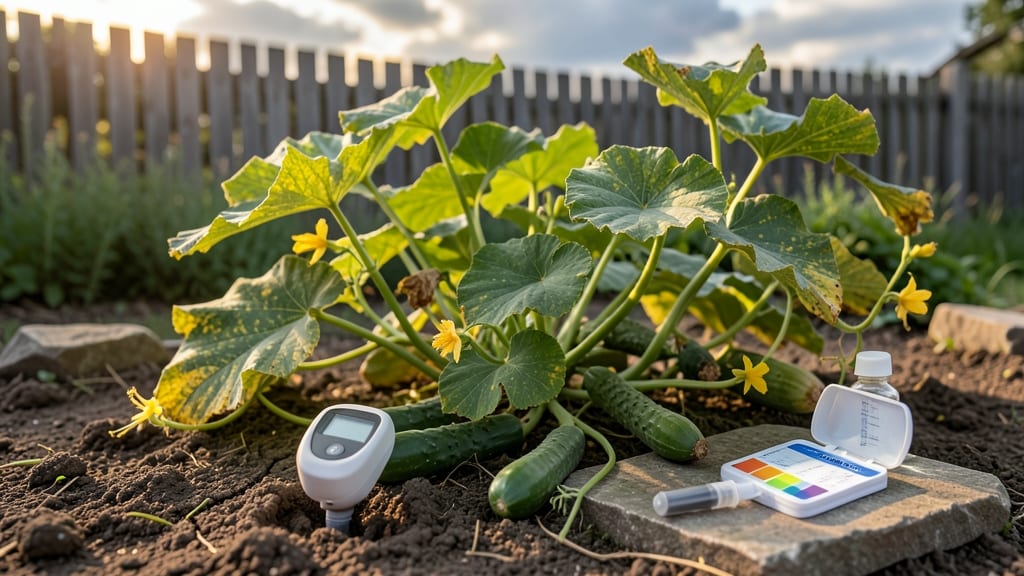
Cucumber plants turning yellow and dying can feel like a gut punch after all that work—especially when your vines were thriving just days ago. 🌱 The good news?
Most cases boil down to five fixable issues, and I’ve diagnosed every one of them in my own garden (including that disastrous July heatwave where I lost half my crop).
Start by checking the leaf patterns: crispy yellow edges mean overwatering or fungal issues, while uniform yellowing signals nutrient problems or pests hiding beneath the leaves. The key is acting fast—some fixes take minutes (like adjusting watering), while others (like soil amendments) need a few weeks to show results.
You’ll walk away with a clear plan: whether it’s pruning diseased leaves, adjusting your watering schedule, or introducing companion plants to deter pests. My plants bounced back within 10 days after I identified the root cause (spoiler: it was powdery mildew, not my watering habits).
This method works for container gardens, raised beds, or in-ground plots—no matter how your cucumbers are growing. Let’s get those vines healthy again.
Root Causes Behind Yellowing Cucumbers
When your thriving cucumber plants suddenly turn yellow and wilt, it’s usually a cry for help from the roots—or something even more serious. Understanding the underlying science behind each trigger can help you diagnose the issue faster and save your harvest.
Let’s break down the most common culprits, from overwatering to soil-borne diseases, with actionable insights for each.
Cucumbers thrive in moist but well-drained soil. When roots sit in soggy conditions for too long, they suffocate, leading to anaerobic stress—a condition where oxygen-starved roots can’t absorb nutrients efficiently. This causes yellowing leaves (a sign of chlorosis) and, eventually, plant collapse.
Why it happens:
- Excess moisture disrupts cellular respiration in roots, triggering ethylene production (a plant stress hormone).
- Waterlogged soil fosters root rot (often caused by Pythium or Phytophthora fungi), cutting off water and nutrient transport.
- Compacted or clay-heavy soil prevents oxygen from reaching roots, even if water drains somewhat.
🔍 Look for:
- Yellowing starting at the older (bottom) leaves.
- Mushy, dark roots when dug up.
- Soil that stays squishy even 24 hours after watering.
Cucumbers are 90% water—when they don’t get enough, leaves curl, yellow, and crisp up like parchment. High temperatures (above 90°F/32°C) accelerate moisture loss, while transpiration (water evaporation through leaves) outpaces uptake.
Why it happens:
- Drought stress triggers abscisic acid (ABA), a hormone that closes stomata (leaf pores) to conserve water—starving the plant of CO₂ for photosynthesis.
- Heatwaves cause protein denaturation in leaves, turning them yellow-brown (a condition called sunscald).
- Shallow root systems (common in container-grown cucumbers) dry out faster.
🔍 Look for:
- Crispy, papery leaves that feel dry to the touch.
- Yellowing edges or tips before spreading inward.
- Wilting that recovers slightly in the evening (a classic thirst signal).
Diseases like powdery mildew, downy mildew, and bacterial wilt (Erwinia tracheiphila) are notorious for turning cucumber leaves yellow and causing sudden death. These pathogens thrive in humid, stagnant air and contaminated soil.
Why it happens:
- Powdery mildew (Podosphaera xanthii) coats leaves in a white, powdery film, blocking sunlight and clogging stomata. Infected leaves yellow and drop.
- Downy mildew (Pseudoperonospora cubensis) attacks undersides, causing oily yellow spots that spread rapidly in damp conditions.
- Bacterial wilt clogs the plant’s xylem vessels (water highways), turning leaves yellow before the entire plant wilts in hours.
🔍 Look for:
- White powder on leaf surfaces (powdery mildew).
- Yellow, greasy patches on upper leaves (downy mildew).
- Sudden wilting despite moist soil (bacterial wilt).
Cucumbers are heavy feeders, and deficiencies—especially in nitrogen, magnesium, or iron—can turn leaves yellow faster than you’d expect. Even an excess of salt or lime can lock out nutrients.
Why it happens:
- Nitrogen deficiency causes general yellowing (starting with older leaves) because nitrogen is vital for chlorophyll production.
- Magnesium deficiency (often from overwatering or high pH) leads to interveinal chlorosis (yellowing between veins, like a net).
- Iron deficiency (common in alkaline soil) turns young leaves entirely yellow because iron is mobile in the plant—older leaves steal it first.
🔍 Look for:
- Uniform yellowing across all leaves (nitrogen).
- Yellow patches between veins (magnesium).
- Pale new growth with green veins (iron).
Squash bugs, cucumber beetles, and even gophers or cutworms can sever roots or sap leaves, triggering stress responses that turn cucumbers yellow. Root-knot nematodes (Meloidogyne spp.) are another silent killer, feeding on roots and disrupting nutrient flow.
Why it happens:
- Sap-sucking pests (like aphids or spider mites) inject toxins that cause yellow stippling or curling.
- Root-feeding pests (grubs, nematodes) create lesions or galls, reducing water/nutrient uptake.
- Physical damage (e.g., tilling too close to plants) severs fine roots, slowing growth.
🔍 Look for:
- Holes in leaves or sticky residue (honeydew).
- Gnarled, knotted roots when dug up.
- Wilting that worsens at night (pests feed more in cool hours).
How to solve it
When your cucumber plants start turning yellow and wilting, acting fast can save your harvest! Below are targeted solutions for the most common causes, along with preventive tips to keep your plants thriving. Each fix is designed to be simple, effective, and easy to implement—even for beginner gardeners.
If your cucumber leaves are yellowing with soft, mushy stems or waterlogged soil, overwatering (or compacted soil) is likely the culprit. Roots suffocate in soggy conditions, starving the plant.
- 🔥 Stop watering immediately—let the top 1–2 inches of soil dry out before watering again.
- 👨🍳 Improve drainage:
- Mix in compost or perlite (1 part to 3 parts soil) to loosen heavy clay.
- If in containers, add gravel or coconut coir at the bottom for aeration.
- 🥘 Repot if needed—if roots are circling or rotting, transfer the plant to fresh, well-draining potting mix.
💡 Prevention Tip: Water deeply but infrequently—aim for 1–1.5 inches per week (adjust for rain). Use a moisture meter or the "finger test" to check soil dryness.
Crispy, yellowing edges on leaves (with dry, brittle stems) signal thirst or heat stress. Cucumbers need consistent moisture, especially in hot weather.
- 💦 Water at the base—deeply in the morning or evening to avoid evaporation. Avoid wetting leaves to prevent fungal diseases.
- 🌡️ Provide shade cloth—if temps exceed 90°F (32°C), drape 30–50% shade fabric over plants for a few hours daily.
- 🍃 Mulch heavily—spread 2–3 inches of straw or wood chips to retain soil moisture and cool roots.
💡 Prevention Tip: Group cucumbers with companion plants like beans or radishes—their shallow roots help retain soil moisture while competing less for water.
Yellowing leaves with sticky residue, white powder, or tiny bugs point to pests or fungal infections. Left unchecked, these can kill plants quickly.
- 🔪 For aphids/spider mites:
- Spray with neem oil solution (1 tbsp neem oil + 1 tsp mild soap per quart of water). Reapply every 5–7 days.
- Introduce beneficial insects like ladybugs or lacewings.
- 🌿 For powdery mildew:
- Remove all infected leaves and destroy them (don’t compost!).
- Apply baking soda spray (1 tsp baking soda + 1 quart water + a drop of soap) weekly.
- Improve air circulation by spacing plants 12–18 inches apart.
- ✨ Prevent future outbreaks:
- Rotate crops annually—don’t plant cucumbers in the same spot two years in a row.
- Water early in the day so foliage dries quickly.
Uniform yellowing (especially on older leaves) often means a lack of nitrogen, while yellow patches between veins signal magnesium deficiency (chlorosis).
| Symptom | Likely Deficiency | Quick Fix |
|---|---|---|
| Yellowing on older leaves, stunted growth | Nitrogen (N) | Apply balanced fertilizer (10-10-10) or compost tea every 2–3 weeks. |
| Yellow between veins, crispy edges | Magnesium (Mg) | Sprinkle Epsom salt (1 tbsp per gallon of water) on soil monthly. |
| Pale green/yellow new leaves | Iron (Fe) or Zinc (Zn) | Use a chelated iron supplement or spray with seaweed extract. |
💡 Prevention Tip: Test your soil every 2–3 years and amend with aged compost or worm castings before planting. Over-fertilizing can harm roots—stick to half-strength applications if unsure.
Yellowing after repotting or with wilting despite watering suggests root trauma or poor transplanting. Cucumbers have delicate roots that bruise easily.
- 🌱 Check roots gently—if they’re brown/mushy, trim healthy roots and repot in fresh soil.
- 💧 Give roots time to recover—avoid fertilizing for 1–2 weeks post-transplant.
- 🏗️ Stake or trellis immediately—supporting vines reduces stress on roots.
💡 Prevention Tip: When transplanting, water deeply 1–2 days before moving to reduce shock. Use biodegradable pots so roots aren’t disturbed during transfer.
Final Pro Tip: Keep a garden journal to track watering, fertilizing, and symptoms. Patterns will help you diagnose faster next time! 📖✨
Frequently asked questions
Why do my cucumber leaves turn yellow first at the edges?
Edge yellowing usually signals underwatering or heat stress. Cucumbers need consistent moisture, especially in hot weather. Check if the soil is dry 2–3 inches deep—water deeply in the morning to avoid evaporation. If temps exceed 90°F (32°C), provide afternoon shade with a light fabric.
Can I still harvest cucumbers if the leaves are yellow?
Yes, but focus on young, healthy vines—the plant can still produce fruit even with yellowing leaves. Remove any severely diseased or wilted leaves to redirect energy. If the yellowing is from nutrient deficiency, apply a balanced fertilizer (like 10-10-10) and monitor for improvement in 7–10 days.
What’s the fastest way to fix root rot in cucumbers?
Act immediately: stop watering and let the soil dry out for 3–5 days. Gently remove the plant, trim any mushy roots with clean scissors, and repot in fresh, well-draining soil mixed with perlite or compost. Avoid watering for 48 hours to prevent reinfection. For severe cases, add 1 part hydrogen peroxide (3%) to 20 parts water when repotting.
Why are my cucumber plants wilting at night but recover in the morning?
This classic sign points to pests like cucumber beetles or squash bugs, which feed more actively in cooler evening air. Check leaf undersides for tiny holes or eggs. Spray with neem oil (1 tbsp per quart of water) or introduce beneficial nematodes to the soil. Also inspect for root-knot nematodes by digging up roots—look for gnarled, swollen areas.
How do I prevent powdery mildew in my cucumber plants?
Start with proper spacing (12–18 inches apart) to improve airflow. Water at the base only in the morning and avoid wetting leaves. Apply a preventative spray of 1 tsp baking soda + 1 quart water + a drop of soap every 10–14 days. Plant companion herbs like basil or marigolds nearby—they naturally repel fungal spores. Remove any infected leaves immediately.