
Picking
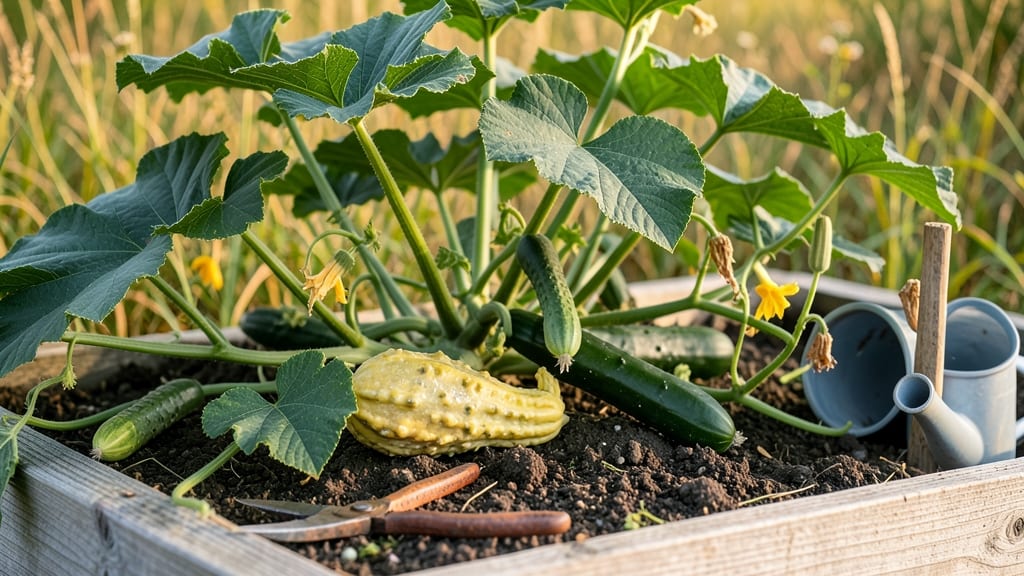
Your homegrown cucumbers taste like overripe green apples instead of crisp, sweet bites—and that bitter punch comes from one of three common mistakes most gardeners make. 🌱 I’ve salvaged more cucumber plants than I’d like to admit, and the fix almost always starts with checking water, heat, or harvest timing.
The good news? This problem is almost always reversible with simple adjustments.
Bitter cucumbers usually mean the plant is either stressed from inconsistent watering (dry soil triggers bitter compounds) or overripe (those tiny seeds turn bitter fast). Heat stress plays a role too—when temps climb above 90°F, cucumbers ramp up their bitterness defense.
Even the variety matters: some heirlooms taste bitter faster than hybrid types. The fix isn’t complicated, but it does require consistency.
Start by harvesting cucumbers smaller and more frequently—aim for 4–6 inches long, before seeds bulge. Keep soil evenly moist (1–2 inches deep), and mulch to lock in moisture.
If your garden gets scorching afternoons, shade cloth can save the day. Within a week, you’ll taste the difference—crisp, sweet cucumbers that make store-bought taste like cardboard.
Once you’ve adjusted care, prevent future bitterness by choosing heat-tolerant varieties (like ‘Straight Eight’ or ‘Marketmore’) and sticking to a watering schedule. The key is catching the problem early—before the plant starts producing bitter fruit. Trust me, your taste buds (and your dinner guests) will thank you.
The Hidden Triggers Behind Bitter Cucumbers
Bitter cucumbers can turn your homegrown harvest from a crisp, refreshing delight into a disappointing mouthful. But why does this happen? The answer lies in a mix of environmental stress, genetic quirks, and even how you’re growing them.
Let’s break down the real culprits behind that unwanted bitterness—so you can fix them fast.
Cucumbers are heat-sensitive, and when temperatures climb above 85°F (29°C), they ramp up production of cucurbitacins—natural compounds that give them a bitter taste.
This happens because: - Ethylene gas buildup: As cucumbers mature in hot conditions, they produce more ethylene, a plant hormone that triggers bitterness. - Slower sugar conversion: High heat disrupts the plant’s ability to convert starches into sugars, leaving a harsh, underripe flavor. - Overripe fruits: If left on the vine too long in hot weather, cucumbers become woody, seedy, and bitter as they shift from storing energy to preparing for seed dispersal.
Actionable fix: 🌿 Pick cucumbers frequently (every 2–3 days) when they’re firm, dark green, and 6–8 inches long. Harvest in the early morning when temperatures are cooler, and avoid letting them sit in the sun before storage.
Cucumbers thrive on consistent moisture—too little or too much water can trigger bitterness.
Here’s how: - Drought stress: When soil dries out, plants produce more cucurbitacins as a survival mechanism, making fruits taste harsh. - Fluctuating water levels: Alternating between drought and sudden soaking can cause uneven growth, leading to bitter patches in the cucumber. - Salty or alkaline soil: Over-fertilizing or poor drainage can increase soil salinity, stressing roots and altering flavor.
Actionable fix: 💦 Water deeply 1–2 inches per week, keeping soil evenly moist (not soggy). Use drip irrigation or soaker hoses to deliver water directly to roots. Mulch with straw or shredded leaves to retain moisture and prevent temperature swings.
Cucumbers are heavy feeders, and nutrient deficiencies or excesses can directly impact flavor.
Common offenders: - Nitrogen deficiency: Leads to small, bitter cucumbers with poor sugar development. - Potassium or magnesium shortages: Cause uneven ripening and bitter spots. - Too much phosphorus: Can overstimulate growth, resulting in tough, bitter flesh. - Compacted or poor-draining soil: Restricts root development, forcing plants to work harder and produce stress compounds.
Actionable fix: 🌱 Test your soil and amend with compost or well-rotted manure before planting. Use a balanced fertilizer (10-10-10 or 5-10-10) at planting, then switch to a low-nitrogen, high-potassium feed (like 0-10-10) when fruits appear. Avoid fresh manure—it can burn roots and worsen bitterness.
Not all cucumbers are created equal—some genetic traits make them more prone to bitterness:
- Wild or heirloom varieties: Many older cucumbers (like ‘Lemon Cucumber’ or ‘Armenian Cucumber’) have higher cucurbitacin levels naturally.
- Over-mature seeds: If you’re growing from seeds, some old or improperly stored seeds can produce bitter plants.
- Hybrid vs. open-pollinated: Some hybrids are bred for sweetness and uniformity, while others prioritize disease resistance—which can sometimes come at the cost of flavor.
Actionable fix: 🍅 Choose bitter-resistant varieties like ‘Straight Eight,’ ‘Marketmore,’ or ‘Suyo Long.’ If you love heirlooms, harvest early and taste-test—some may still yield sweet cucumbers if picked young. Always save seeds from the sweetest cucumbers for next year!
Even organic gardens can have hidden chemical stressors:
- Neonicotinoids or systemic pesticides: Some sprays can alter plant metabolism, leading to bitter flavors.
- Weed killers lingering in soil: If you’ve used glyphosate or pre-emergent herbicides in the past, residues can persist and affect cucumbers.
- Fungal sprays overuse: Copper-based fungicides (common for powdery mildew) can accumulate in edible parts over time.
Actionable fix: 🛡️ Avoid chemical sprays near harvest time. Opt for neem oil, baking soda sprays, or companion planting (like basil or marigolds) to deter pests naturally. If you suspect residue, wash cucumbers thoroughly and consider growing in raised beds with fresh, pesticide-free soil.
When cucumbers compete for resources, they prioritize survival over flavor:
- Shady spots: Plants stretching for sunlight produce smaller, bitter fruits.
- Root-bound containers: If growing in pots, restricted roots limit nutrient uptake, leading to harsh tastes.
- Disease pressure: Fungal or bacterial infections (like powdery mildew or bacterial wilt) force plants to divert energy to defense, reducing sweetness.
Actionable fix: 🌿 Space plants 12–24 inches apart (depending on variety) and train vines on trellises to improve airflow and sunlight exposure. For containers, choose large pots (at least 5 gallons) and prune lower leaves to prevent disease. Rotate crops yearly to avoid soil-borne pathogens.
Bitter cucumbers are usually a cry for help from your plants—whether it’s too much heat, uneven water, poor soil, or stress. The good news? Most of these issues are easily preventable with the right care. Next up: how to rescue (or avoid) bitter cucumbers in your garden! 🚀
Fixing Bitter Cucumbers Fast
Now that you know the root causes behind your homegrown cucumbers’ bitter taste, it’s time to turn things around! Whether your plants are thirsty, overripe, or struggling with stress, these practical, step-by-step fixes will help you grow sweet, crisp cucumbers every time.
Let’s tackle each issue head-on with actionable solutions—and don’t forget the prevention tips to keep your harvest delicious.
Problem: Too much or too little water throws off nutrient balance, leading to bitterness.
How to Fix It:
- Check the Soil 🌱
- Stick your finger 1-2 inches deep into the soil. If it’s dry, it’s time to water. If it’s soggy, hold off.
- Pro Tip: Use a moisture meter for accuracy—no more guesswork!
- Water Deeply, Not Often 💦
- Water early in the morning (6–8 AM) to reduce evaporation.
- Aim for 1–1.5 inches of water per week, delivered in deep soakings (not light sprinkles).
- Avoid: Wetting leaves—this spreads disease. Use drip irrigation or soaker hoses for precision.
- Improve Drainage 🏗️
- If your soil stays waterlogged, amend it with compost or perlite to boost aeration.
- Raise beds slightly or add gravel at the bottom of containers for better drainage.
Prevention: ✅ Mulch around plants to retain moisture and regulate temperature. ✅ Monitor weather—adjust watering during heatwaves or rainy spells.
Problem: Cucumbers left on the vine too long or baked by the sun develop cucurbitacin, the compound responsible for bitterness.
How to Fix It:
- Harvest at Peak Ripeness 🕒
- Pick cucumbers when they’re firm, bright green, and 6–8 inches long (varies by variety).
- Quick Check: Press gently—if it yields slightly, it’s ready. If it’s rock-hard or yellowing, it’s past its prime.
- Shade Cloth to the Rescue 🛡️
- If temps hit above 90°F (32°C), drape 30–50% shade cloth over plants for 2–4 hours daily.
- Alternative: Use white fabric or even a lightweight row cover for temporary relief.
- Prune for Better Airflow ✂️
- Trim yellow or diseased leaves to improve circulation and reduce stress.
- Bonus: This also prevents fungal issues like powdery mildew.
Prevention: ✅ Choose heat-tolerant varieties like ‘Straight Eight’ or ‘Marketmore 76’ for hot climates. ✅ Harvest every 2–3 days to prevent overripening.
Problem: Too many greens, not enough fruits? Or yellowing leaves? Your soil might be off-kilter.
How to Fix It:
- Test Your Soil 🧪
- Grab a DIY soil test kit (or send a sample to your local extension office) to check pH and nutrient levels.
- Ideal pH for cucumbers: 6.0–6.8.
- Balance Your Fertilizer 🍽️
- Too much nitrogen? Switch to a balanced fertilizer (like 5-5-5 or 10-10-10).
- Need more potassium or phosphorus? Use compost tea or a fruit-specific fertilizer (e.g., 0-10-10).
- Avoid: High-nitrogen feeds like lawn fertilizer—they promote leaves over fruit.
- Feed Strategically 📅
- Apply half-strength fertilizer when vines start flowering, then again when fruits appear.
- Organic Option: Mix in banana peels (potassium) or crushed eggshells (calcium) for a natural boost.
Prevention: ✅ Rotate crops—don’t plant cucumbers (or other squash family plants) in the same spot yearly. ✅ Top-dress with compost every 4–6 weeks for steady nutrients.
Problem: Bugs like cucumber beetles or diseases like powdery mildew force plants to produce bitter compounds as a defense.
How to Fix It:
- Inspect Plants Daily 🔍
- Look for chewed leaves, holes, or white powdery spots. Act fast!
- Common Culprits: Aphids, spider mites, or squash bugs.
- Pest Control Tactics 🛡️
- Handpick bugs (especially cucumber beetles) and drop them in soapy water.
- Spray with neem oil (mix 1 tbsp neem oil + 1 tsp mild soap per quart of water) every 5–7 days.
- Prevent Beetles: Use row covers early in the season.
- Fungal Disease Fix 🍄
- Remove infected leaves immediately and sterilize pruners with rubbing alcohol.
- Prevent mildew: Water at the base of plants, not overhead, and space vines for airflow.
Prevention: ✅ Plant companion crops like nasturtiums or marigolds to repel pests. ✅ Rotate planting locations yearly to break disease cycles.
Even with perfect growing conditions, how you handle cucumbers post-harvest matters!
- Store unwashed in the fridge (they’ll last 1–2 weeks).
- Avoid ethylene gases—don’t store near apples or tomatoes (they speed up ripening).
- Use bitter cucumbers ASAP in pickles, stir-fries, or salads where bitterness is masked by flavor.
Frequently asked questions
Why do my cucumbers taste bitter even when I water them regularly?
Inconsistent moisture is a common issue—even regular watering can cause bitterness if the soil dries out between waterings. Cucumbers need 1-2 inches of water per week delivered deeply to the roots. Check soil moisture by sticking your finger 1-2 inches deep—if it's dry, you're watering too little. If it's soggy, you're overwatering. Mulching helps maintain even moisture.
Can I fix bitter cucumbers once they're already on the vine?
Unfortunately, you can't reverse bitterness in already grown cucumbers, but you can salvage them! Use them in recipes where bitterness is masked, like pickles, stir-fries, or salads with strong flavors. For future harvests, pick cucumbers when they're 4-6 inches long and harvest every 2-3 days to prevent overripening.
Are some cucumber varieties naturally bitter?
Yes! Some heirloom and wild varieties like 'Lemon Cucumber' or 'Armenian Cucumber' contain more natural bitterness compounds. If you prefer sweet cucumbers, choose hybrid varieties like 'Straight Eight' or 'Marketmore 76' that are bred for sweetness. Even with these varieties, proper growing conditions are key to maintaining sweet flavor.
How does heat affect cucumber bitterness?
Extreme heat above 85°F (29°C) triggers cucurbitacin production, making cucumbers bitter. To combat this, provide afternoon shade with 30-50% shade cloth during heatwaves. Harvest cucumbers in the early morning when temperatures are cooler, and consider growing heat-tolerant varieties if you live in a hot climate.
Will over-fertilizing make my cucumbers bitter?
Yes! Too much nitrogen or phosphorus can create an imbalance that leads to bitter flavors. Use a balanced fertilizer (5-5-5 or 10-10-10) at planting, then switch to a low-nitrogen, high-potassium feed (0-10-10) when fruits appear. Organic options like compost or banana peels (for potassium) work well too.