
How To
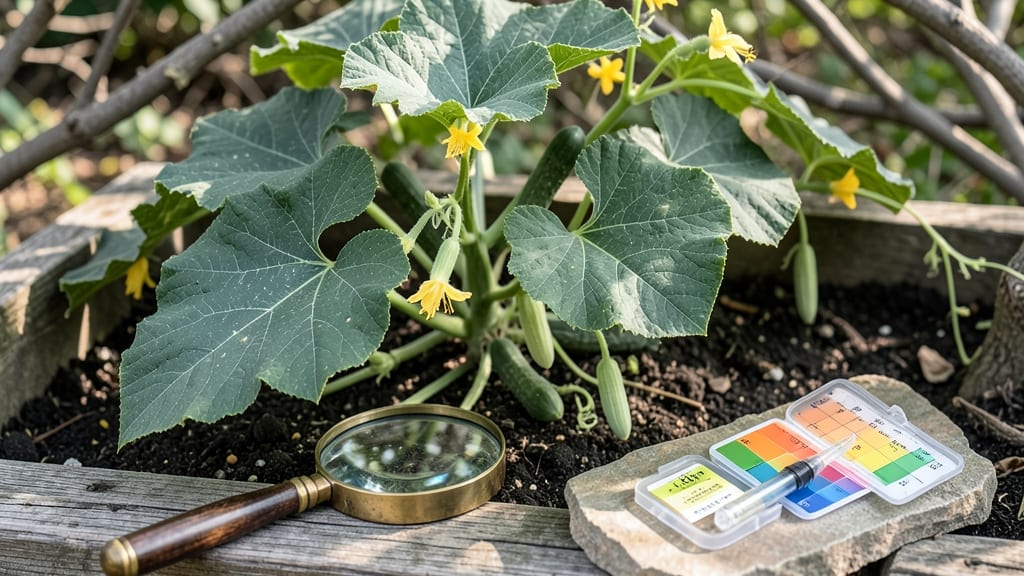
Learn how to treat yellowing cucumber leaves before your harvest fades—it’s easier than you’d expect, and I’ve fixed this issue in dozens of plants. 🌱 Whether it’s overwatering, pests, or a nutrient deficiency, knowing the cause is half the battle.
The first step is identifying what’s wrong: check the soil moisture, look for tiny webs (spider mites), or spot white powder (powdery mildew). Overwatering causes yellowing near the base, while pests and disease attack leaves unevenly.
Once you spot the issue, you can act fast—usually within 24-48 hours—to stop it from spreading. With the right treatment, your cucumbers bounce back in 3-7 days. You’ll see new green growth, stronger vines, and plants that keep producing like nothing happened.
The key is acting before the problem spreads to the fruit. This works for backyard gardens, containers, or even greenhouse setups. Let’s get those leaves healthy again—your cucumbers are waiting!
Root Causes of Yellow Cucumber Leaves
Yellowing leaves on your cucumber plants can be a frustrating sight, but understanding the underlying causes is the first step to restoring your garden’s health. 🌱 Let’s break down the most common culprits—each with a clear scientific explanation—so you can diagnose the issue like a pro.
Cucumbers thrive in consistently moist soil, but too much water can suffocate their roots, leading to anaerobic conditions (low oxygen). When roots struggle to breathe, they can’t absorb nutrients efficiently, causing leaves to yellow—especially the older, lower ones—while new growth appears stunted.
Why it happens:
- Waterlogged soil triggers the production of ethylene gas, a plant stress hormone that accelerates leaf senescence (aging).
- Fungal infections like Pythium or Phytophthora flourish in soggy conditions, clogging root cells and blocking nutrient transport.
- Root rot (often from Erwinia bacteria) can spread rapidly, turning leaves yellow or brown before the plant collapses.
Actionable clue: Check the soil 2–3 inches down—if it’s damp, not just moist, you’re overwatering. Yellowing paired with a musty smell or mushy stems? Root rot is likely.
Cucumbers are heavy feeders, and a lack of key nutrients can cause yellowing in specific patterns. Here’s what to watch for:
| Symptom | Likely Deficiency | Scientific Explanation |
|---|---|---|
| Yellowing between veins (chlorosis) | Iron (Fe) or Manganese (Mn) | These micronutrients are essential for chlorophyll production. In alkaline soils (pH >7), their availability drops, even if they’re present. |
| Yellowing on younger leaves | Nitrogen (N) | Nitrogen is mobile in plants—when deficient, older leaves hold onto it, starving new growth. Think of it as the plant "sacrificing" its future for survival. |
| Purple or red stems/leaves | Phosphorus (P) | Phosphorus aids energy transfer in cells. Under stress, cucumbers may produce anthocyanins (pigments) as a survival tactic. |
| Yellow edges with green centers | Potassium (K) or Magnesium (Mg) | Potassium regulates water balance; magnesium is central to chlorophyll. Deficiencies often appear as scorched or crispy edges first. |
Pro tip: 💡 Conduct a soil test (DIY kits are affordable) to confirm deficiencies. Quick fixes include:
- Iron chelate (for chlorosis in alkaline soil).
- Balanced fertilizer (10-10-10 or 5-10-10) for general deficiencies.
- Epsom salt (magnesium sulfate) for Mg shortages—dissolve 1 tbsp in a gallon of water and spray foliarly.
Hidden invaders can drain your cucumbers’ vitality, leading to yellowing leaves as the plant diverts energy to fight back. Common culprits include:
- Aphids, Spider Mites, or Whiteflies 🐜: These sap-sucking pests inject toxic saliva into leaves, disrupting nutrient flow. Heavy infestations cause stippling (tiny yellow dots) and curling before leaves yellow entirely.
- Why it happens: The plant’s jasmonic acid response (a defense hormone) triggers premature leaf drop to conserve resources.
- Cucumber Mosaic Virus (CMV) 🦠: Spread by aphids, this virus causes mosaic patterns (yellow-green patches) and stunted growth. It’s not curable—only manageable.
- Why it happens: CMV hijacks the plant’s ribosome machinery, disrupting protein synthesis in leaves.
- Powdery Mildew (Fungus) ❄️: A white, powdery coating on leaves blocks sunlight, leading to yellowing underneath. Severe cases cause leaves to crisp and fall.
- Why it happens: The fungus Erysiphe cichoracearum thrives in humid, low-light conditions, weakening the plant’s cuticle (protective layer).
Actionable clue: Inspect the undersides of leaves and stems for pests, webbing, or fungal growth. A 10x magnifying glass helps spot early signs.
Extreme or sudden changes in your cucumbers’ environment can shock them into yellowing leaves. Key triggers:
- Temperature Fluctuations ❄️☀️: Cucumbers prefer 70–85°F (21–29°C). Below 50°F (10°C), growth stalls, and leaves yellow due to reduced chlorophyll synthesis. Heat stress above 95°F (35°C) causes protein denaturation, leading to scorched, yellow patches.
- Sunburn ☀️🔥: Young plants or those suddenly moved to full sun can develop bleached or yellow patches where direct rays hit. This is not a nutrient issue—it’s UV damage to cell membranes.
- Wind or Physical Damage 🌬️: Strong winds or harsh pruning can rupture xylem vessels (the plant’s "straws" for water/nutrients), causing vein yellowing or blotchy patterns. Think of it as a broken pipe in your garden’s plumbing.
Pro tip: 🌡️ Use shade cloth (30–50%) for young plants or hot climates. For sunburn, gradually acclimate plants to full sun over 7–10 days. Mulch helps stabilize soil temperature and reduce wind stress.
Even with perfect care, moving cucumbers (or disturbing their roots) can trigger yellowing as the plant recovers.
- Why it happens:
- Root pruning during transplanting severs mycorrhizal fungi—beneficial microbes that boost nutrient absorption.
- Compacted soil after heavy rain or foot traffic restricts root expansion, limiting water/nutrient uptake.
- Grafting stress (common in hybrid cucumbers) can cause temporary yellowing as the plant adjusts.
Actionable clue: If yellowing appears within 1–2 weeks of transplanting, focus on root recovery:
- Avoid watering heavily for 3–4 days post-transplant to encourage root regrowth.
- Use a seaweed extract (like Maxicrop) to stimulate root hormones.
- Loosen soil gently around the base with a fork if it’s compacted.
Fix Yellowing Leaves Fast
Now that you know the culprits behind those sad, yellowing cucumber leaves, let’s roll up our sleeves and get your plants back to their vibrant, productive selves! 🌱 The good news?
Most fixes are simple, cost-effective, and require minimal effort. Below, we’ve matched the most common causes with practical, step-by-step solutions—plus prevention tips to keep your cucumbers thriving long-term.
Fix: Stop the soggy soil!
- Let the soil dry out 🌞 – Pause watering immediately and wait until the top 1–2 inches of soil feel dry to the touch before watering again.
- Check your pots 🏺 – If using containers, ensure they have drainage holes. Elevate pots on saucers or bricks to prevent waterlogging.
- Amend heavy soil 🏗️ – Mix in perlite, vermiculite, or coconut coir (20–30%) to improve drainage. For garden beds, raise mounds or create trenches to encourage runoff.
- Water deeply but less often 💦 – Soak the root zone (6–8 inches deep) every 2–3 days instead of daily shallow watering.
Prevention Tip: 💡 Use a moisture meter or the "squeeze test"—if water drips out when you press the soil, you’re overdoing it!
Fix: Give your cucumbers a break!
- Provide afternoon shade 🌿 – Use shade cloth (30–50%) or move potted plants to a spot with morning sun only during peak summer.
- Mulch heavily 🌿 – Apply 2–3 inches of straw or wood chips to retain moisture and cool roots.
- Water at the base 💧 – Avoid wetting leaves to prevent sunburn. Use drip irrigation or a soaker hose for targeted hydration.
- Harvest frequently 🍉 – Overripe cucumbers stress the plant. Pick fruits every 2–3 days to encourage new growth.
Prevention Tip: 🌡️ Monitor temps—cucumbers wilt above 90°F (32°C). If possible, grow them in early spring or late summer.
Fix: Fungus fighters!
- Prune infected leaves ✂️ – Snip off yellowed or spotted leaves (especially lower ones) and dispose of them in the trash (not compost).
- Spray with a fungicide 🛡️ –
- Baking soda mix: 1 tsp baking soda + 1 quart water + a drop of dish soap. Spray every 7–10 days.
- Neem oil: 2 tbsp neem oil + 1 tsp mild soap + 1 quart water. Apply at dusk to avoid burning leaves.
- Commercial options: Copper fungicide or sulfur sprays (follow label instructions).
- Improve airflow 🌬️ – Space plants 12–18 inches apart and stake vines to keep them off the ground.
- Water early ⏰ – Wet leaves in the morning so foliage dries quickly.
Prevention Tip: ✨ Rotate crops—don’t plant cucumbers in the same spot yearly to break fungal cycles.
Fix: Pests be gone!
- Blast with water 💦 – Spray pests off leaves with a strong stream of water (do this in the morning).
- Introduce beneficial insects 🐞 – Ladybugs, lacewings, and parasitic wasps eat aphids and mites. Buy them online or attract them with companion plants like marigolds.
- Use insecticidal soap 🧼 – Mix 1 tbsp castile soap + 1 quart water. Spray directly on pests (test on a small leaf first).
- Set traps 🪲 – For cucumber beetles, use yellow sticky traps near plants.
- Remove severely infested leaves 🗑️ – If pests are overwhelming, prune and destroy heavily damaged foliage.
Prevention Tip: 🎯 Pre-plant with herbs—basil, dill, and thyme repel many cucumber pests naturally.
Fix: Boost those nutrients!
| Deficiency | Quick Fix | Prevention |
|---|---|---|
| Nitrogen (Pale yellow, weak growth) | Apply blood meal (1 tbsp per plant) or fish emulsion (diluted per label). | Side-dress with compost every 3–4 weeks. |
| Magnesium (Yellow between veins) | Sprinkle Epsom salt (1 tbsp per gallon of water) and water soil. | Add dolomitic lime to soil before planting. |
| Iron (Yellowing new leaves) | Use chelated iron (available at garden centers) or spray with iron sulfate. | Avoid over-alkaline soil (test pH; aim for 6.0–6.8). |
Pro Tip: 💡 Over-fertilizing burns roots! Always water soil before and after applying amendments.
Fix: Give roots a second chance! 1. Transplant shock? 🌱 – - Water deeply after repotting. - Keep plants in shade for 3–5 days post-transplant. - Avoid fertilizing for 1–2 weeks to reduce stress.
- Root rot? 🍄 – - For pots: Remove the plant, trim mushy roots with sterilized scissors, repot in fresh soil, and water lightly. - For garden beds: Dig a trench nearby, transplant carefully, and water sparingly until new roots grow. - Prevent recurrence: Avoid soggy soil (see overwatering fixes above).
Prevention Tip: 🌡️ Hardened-off seedlings (acclimated to outdoor temps) transplant better and bounce back faster!
If your cucumber is looking really rough, follow this 24-hour rescue plan:
- Morning: Prune dead leaves, water deeply (if soil is dry).
- Afternoon: Apply a balanced fertilizer (like 10-10-10) diluted to half strength.
- Evening: Spray with neem oil (for pests/fungus) or a baking soda mix.
- Next day: Mulch and ensure proper airflow.
Remember: Patience is key! Yellow leaves can take 1–2 weeks to recover, but with these fixes, your cucumbers will be back to producing crisp, green fruits in no time. 🥒✨
Frequently asked questions about yellowing cucumber leaves
Why do only the older leaves turn yellow first?
Cucumbers prioritize nutrient flow to new growth, so older leaves yellow when the plant lacks nitrogen or water. This is normal aging, but if it spreads to younger leaves, check for overwatering or root issues.
Can I still harvest cucumbers if leaves are yellow?
Yes! Yellow leaves won’t affect fruit quality, but severe stress may reduce yield. Harvest regularly to encourage new growth. If only a few leaves yellow, your cucumbers will keep producing.
How do I tell if yellowing is from pests vs. disease?
Pests (like spider mites) cause tiny yellow dots or webbing, while diseases (like powdery mildew) create white patches. Check leaf undersides for pests or fungal growth. A magnifying glass helps spot early signs.
Will Epsom salt fix all yellowing leaves?
No—Epsom salt only treats magnesium deficiency (yellowing between veins). For other issues, use targeted fixes: iron chelate for chlorosis, balanced fertilizer for nitrogen, or neem oil for pests. Test soil first!
How long until my cucumber plant recovers?
Mild cases improve in 3-7 days with proper care, but severe root rot or disease may take 2-3 weeks. Focus on airflow, watering adjustments, and pruning damaged leaves to speed recovery.