
Plants
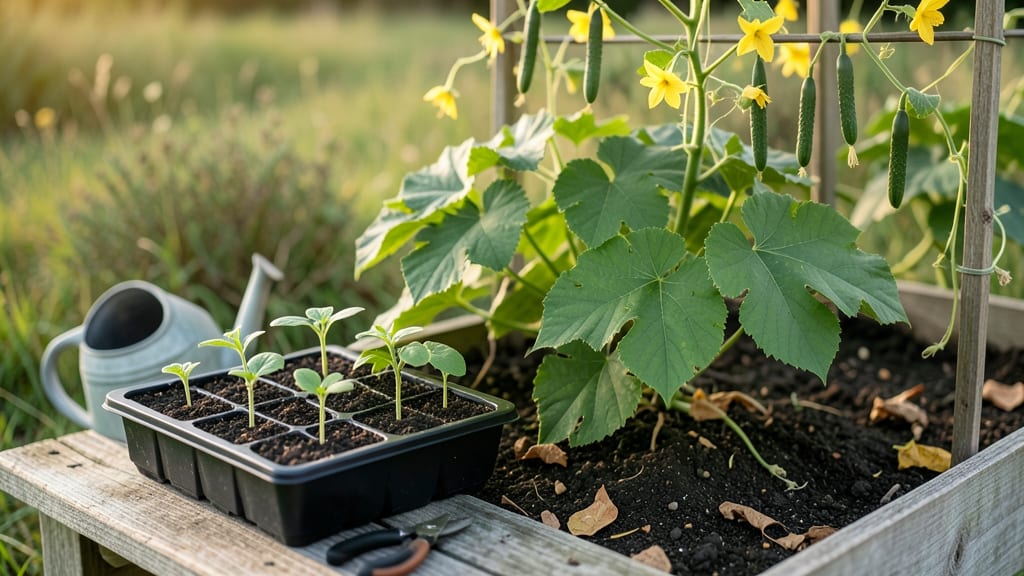
Plant cucumbers in Arkansas when soil temperatures hit 60°F and all frost risk has passed — typically mid-April to early June for spring harvests.
Arkansas gardeners know timing is everything — plant too soon, and frost will kill your seedlings; too late, and summer’s heat arrives before your vines take off. Mastering the soil temperature window ensures fast germination and a bountiful harvest.
In Arkansas’s 7a-8a zones, cucumbers thrive when the ground warms consistently, usually after the last frost date (around March 15). A soil thermometer is your best friend here — aim for 50-60°F at 2-4 inches deep to trigger those quick sprouts.
Below, I’ll break down the exact planting dates for Arkansas’s microclimates, how to test soil temperature like a pro, and the best fast-germinating varieties for your region’s heat and humidity.
Optimal Arkansas cucumber planting dates by soil temperature zones
Arkansas’ diverse climate—from the cooler Ozark Mountains to the humid Delta region—means cucumber planting dates vary dramatically. Cucumbers thrive when soil temperatures hit 50–60°F, but frost risk and regional microclimates shift your ideal window.
In USDA Zone 7a-7b, timing your plantings to avoid late frosts (typically March 15–April 15) and extreme summer heat is key to success.
Northern Arkansas (e.g., Fayetteville, Springdale) has cooler springs, while southern regions (e.g., Little Rock, Fort Smith) warm up faster. The Delta region (e.g., Jonesboro, West Memphis) often allows earlier plantings due to its milder winters.
Below, I’ve broken down the best planting windows for each zone, including soil temperature triggers and frost-free guarantees.
🌱 Pro Tip: Use black plastic mulch to warm soil faster in cooler zones, or row covers to protect seedlings from unexpected late frosts. Both tactics can extend your planting window by 2–3 weeks.
For spring plantings, aim to get cucumbers in the ground 2–3 weeks after your region’s last average frost date. In Northern Arkansas, this often means waiting until mid-April, while Central Arkansas gardeners can start as early as late March.
The Delta region is the most forgiving, with soil warming quickly enough for early March starts in ideal years.
If you’re growing bush varieties (like ‘Bush Champion’), you can push planting dates slightly later, as they mature faster than vining types. However, vining cucumbers (e.g., ‘Straight Eight’) need the full 70–90 days to harvest, so planting too late risks overripe fruit before frost hits in November.
🌡️ Soil Temperature Tip: Use a soil thermometer to confirm readiness—cucumbers won’t germinate below 50°F, and growth stalls below 60°F. In cool springs, opt for fast-sprouting varieties like ‘Marketmore 76’ to avoid delays.
For a fall harvest, plant late July to early August to ensure cucumbers mature before the first frost (mid-November). Use heat-tolerant varieties like ‘Southern Sweet 100’, which handle Arkansas’ 90°F+ summers better than standard types. Succession planting every 2 weeks extends harvests into October.
🌿 Regional Challenge: Arkansas’ high humidity increases powdery mildew risk, so space plants 3–4 feet apart for airflow. In the Delta, poor drainage can drown roots—amend soil with compost and use raised beds if needed.
Finally, don’t overlook container growing for small spaces. Cucumbers thrive in 5-gallon pots with trellises, and you can move containers to warmer microclimates (like south-facing patios) to extend the season. Just ensure pots have drainage holes to prevent root rot in Arkansas’ clay-heavy soils.
How to test soil temperature for cucumber germination success
Cucumbers thrive when planted in soil temperatures between 50–60°F, but Arkansas’ unpredictable spring warmth can throw off your timing. A soil thermometer is your secret weapon—it tells you exactly when conditions are right for germination, saving you from wasted seeds or stunted plants.
Without testing, you might plant too early and risk frost damage or too late and miss the optimal growing window.
Most gardeners assume the air temperature dictates planting time, but soil warms slower—especially in Arkansas’s humid climate. Even if daytime temps hit 70°F, the soil might still be too cold for cucumber seeds to sprout.
That’s why I always test 2–4 inches deep, where the roots will first encounter warmth. This depth mimics the ideal environment for seed germination.
Here’s my step-by-step guide to testing soil temperature like a pro, plus how to adjust your planting schedule if the soil stays too cool:
-
1Choose the right tool: Use a soil thermometer (not an air thermometer) with a probe depth of 2–4 inches. Digital models with backlighting are easiest to read in early morning light.
-
2Test at the right time: Check temperatures early morning (6–8 AM) when soil is coolest. Repeat in the afternoon to see the daily range—cucumbers need consistent warmth, not just brief spikes.
-
3Find the sweet spot: Aim for 50–60°F at 2–4 inches deep. Below 50°F, seeds won’t germinate; above 60°F, they may rot or sprout too fast. Arkansas’ North region often hits this in mid-April, while the Delta waits until late April.
-
4Adjust for delays: If soil stays below 50°F for 5+ days, delay planting. Use black plastic mulch to warm soil by 5–10°F—this is a game-changer in Arkansas’s cool springs. Lay it down 1–2 weeks before planting for best results.
-
5Extend the season: For a fall harvest, test soil again in late July. If temps drop below 50°F after August, use row covers to protect young plants and trap heat. This lets you plant Straight Eight cucumbers as late as early September.
Pro tip: If your soil thermometer shows consistent temps above 60°F but seeds still won’t sprout, check for moisture issues. Cucumber seeds need even moisture—too dry or too wet can both block germination. Aim for damp (not soggy) soil at planting time.
Remember, Arkansas’ unpredictable spring weather means your neighbor’s planting date might not work for you. By testing soil temperature, you’ll beat the heat and ensure your cucumbers germinate in 7–10 days instead of struggling for weeks. Once you master this, you’ll never guess again—just measure, wait, and plant! 🌱