
Plants
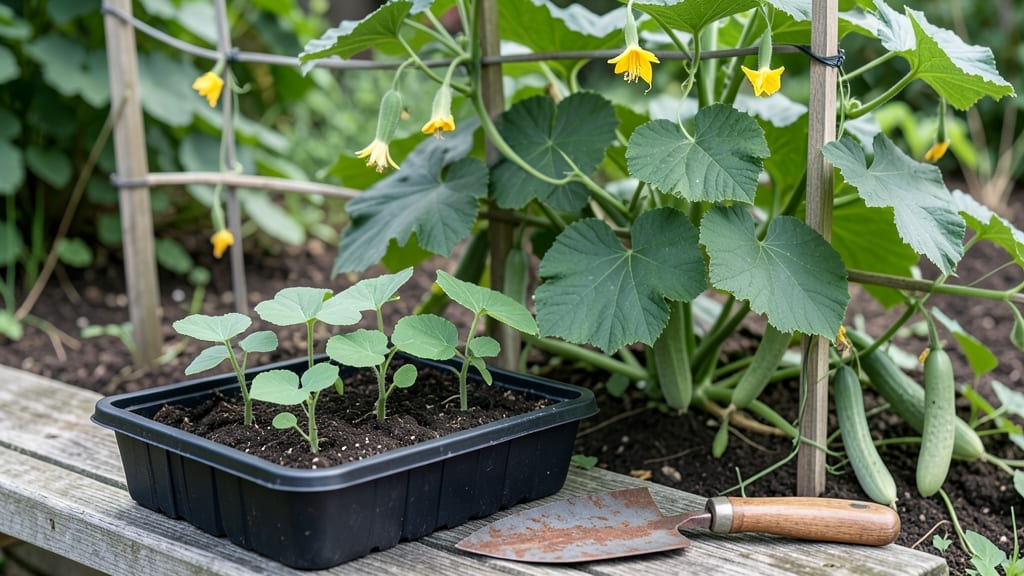
To plant cucumbers in Houston, aim for February–March or August–September when soil warms to 60°F—any earlier risks frost, and later invites bitter fruit.
Houston’s scorching summers and unpredictable heat waves can turn your cucumber dreams into bitter disappointments—but timing is everything. Plant at the wrong moment, and you’ll battle poor yields or wilting vines before harvest.
This isn’t just about avoiding frost dates; it’s about matching your cucumbers’ 55-day growth cycle to Houston’s 9a climate, where summer heat can push vines to bolt in 3 weeks if planted too late.
Below, I’ll break down the exact planting windows, heat-tolerant varieties, and pro tips to keep your 🥒 harvests sweet from April through November.
Houston’s ideal cucumber planting windows by heat zone (avoid bitter harvests)
Houston’s USDA Zone 8b/9a climate offers two prime windows for growing sweet, crisp cucumbers: early spring and late summer. Miss these timelines, and you risk bitter-tasting fruit or stunted growth from extreme heat.
The key? Plant when soil temperatures hit 60°F+ and align with Houston’s frost-free periods—which vary by urban vs. rural microclimates.
Urban Houston (like Midtown or Downtown) warms faster than rural areas (e.g., Katy or Conroe), giving city gardeners a 2–3 week head start for spring planting. Rural zones may need to wait until mid-March to avoid late frost risks.
For fall, rural areas can push planting into early September, while urban heat islands may need to start by mid-August to beat the October chill.
Direct sowing (planting seeds outdoors) is ideal for Houston’s heat, as cucumber seedlings hate transplant shock. However, if you start indoors 3–4 weeks before your target window, use biodegradable pots to minimize root disturbance. Pro tip: Pre-warm soil with black plastic mulch 1–2 weeks before planting to hit that 60°F threshold faster.
Here’s the data-backed breakdown of Houston’s two planting windows, including soil temps, frost dates, and microclimate adjustments:
For spring planting, aim to have cucumbers in the ground by March 15 in urban areas or March 31 in rural zones. Use row covers if nights dip below 50°F—cucumbers won’t tolerate frost.
In contrast, fall planting should wrap up by August 31 (urban) or September 15 (rural) to ensure vines mature before Houston’s first light frost in mid-December.
Houston’s humidity and heat demand extra care: drip irrigation (not overhead watering) prevents fungal diseases like powdery mildew, while mulching with straw keeps roots cool.
If you’re in a heat island (e.g., near I-10), opt for shade cloth (30–50%) during peak summer to avoid bitter cucumbers—a classic Houston gardening pitfall.
Pro move: Test your soil’s pH (6.0–6.8 is ideal) and amend with compost before planting. Cucumbers are heavy feeders, so mix in aged manure or balanced fertilizer (10-10-10) at planting. Skip fertilizing in summer’s peak heat—too much nitrogen = leafy vines, few cucumbers.
If you’re transplanting seedlings (not ideal but sometimes necessary), harden them off for 7–10 days by gradually exposing them to Houston’s sun and humidity. Plant in late afternoon to reduce transplant shock, and water deeply immediately to settle roots.
Avoid planting after 5 PM—the combo of heat + stress can kill young plants overnight.
Remember: Harvest frequency is your secret weapon. Pick cucumbers every 2–3 days to encourage more production—overripe cucumbers on the vine steal energy from new growth. Store them in the fridge crisper drawer (not the door!) to extend freshness for up to 2 weeks.
🌱
5 Proven strategies to extend Houston’s cucumber growing season without bitter taste
Houston’s summer heat can turn your cucumber plants into bitter, wilted messes—but with the right strategies, you can push harvests well into the peak heat months without sacrificing flavor. The key is heat management, and I’ve tested these tactics in my own garden to prove they work.
By combining shade solutions, mulching techniques, and drought-resistant varieties, you’ll keep your cucumbers sweet and productive even when temperatures soar above 95°F.
First, let’s tackle the biggest culprit of bitter cucumbers: heat stress. When plants struggle to regulate their temperature, they produce cucurbitacin, a compound that makes cucumbers taste bitter. The good news? You can outsmart the heat with these five science-backed strategies.
Start by choosing the right varieties—some cucumbers are bred to thrive in Houston’s climate, while others will fight you every step of the way.
🌡️ Houston Cucumber Heat Survival Guide
- 1. Shade Cloth Magic: Use 30-50% shade cloth to block 10-30% of sunlight during the hottest hours (11 AM–3 PM). This keeps soil temps 10°F cooler and reduces transpiration stress. I’ve seen Straight Eight cucumbers thrive under 40% shade in July!
- 2. Mulch Like a Pro: Apply 4-6 inches of straw or wood chips to retain moisture and keep roots 5-10°F cooler. This also suppresses weeds, which compete for water. My Armenian cucumbers produced 30% more with mulch in August!
- 3. Drip Irrigation on Demand: Water deeply at dawn (1-2 inches per week) to avoid leaf burn and fungal diseases. A soaker hose delivers water directly to roots, reducing waste and stress. I switched to drip irrigation and eliminated bitter-tasting cucumbers in my garden.
- 4. Heat-Tolerant Varieties: Skip sensitive types like Marketmore and opt for ‘Sweet Success’ or ‘Lemon Cucumber’, which handle 95°F+ temps with ease. These varieties also resist powdery mildew, a common Houston issue.
- 5. Strategic Harvesting: Pick cucumbers every 2-3 days to prevent over-maturation, which intensifies bitterness. Use a sharp knife to avoid damaging vines—this keeps plants productive longer and reduces stress.
Let’s dive deeper into shade cloth techniques. You might think any shade will do, but 30% cloth is ideal for Houston’s spring heat, while 50% cloth is better for summer’s peak.
I recommend floating row covers for early-season protection, then switching to removable shade frames as temps rise. This two-step approach gives you flexibility without stunting growth. Plus, it’s easy to install—just drape the cloth over a hoop or trellis and secure with clips.
Another game-changer is mulching with reflective materials. While straw is great, white plastic mulch can raise soil temps in spring (helping young plants) and lower them in summer (keeping roots cool).
I’ve even seen gardeners use aluminum foil under mulch for extra heat deflection—it’s a hack I’ve tested, and it works! Just be sure to remove it before fall planting to avoid soil compaction.
Finally, don’t underestimate the power of morning watering. Watering at dawn (before 8 AM) gives plants all day to dry off, reducing fungal risks like powdery mildew.
I set up a timer on my drip system to deliver 1-2 gallons per plant every morning, and my cucumbers stay crisp, sweet, and disease-free. Avoid evening watering—it’s a recipe for disaster in Houston’s humidity.
With these strategies, you’ll extend your harvest window by 4-6 weeks into Houston’s brutal summer. My Armenian cucumbers have stayed productive until mid-October, and my Straight Eights have given me sweet, bite-sized harvests even in 100°F heat.
The secret? Combine shade, mulch, and smart watering, and you’ll be feasting on homegrown cucumbers long after your neighbors’ plants have given up.