
Plants
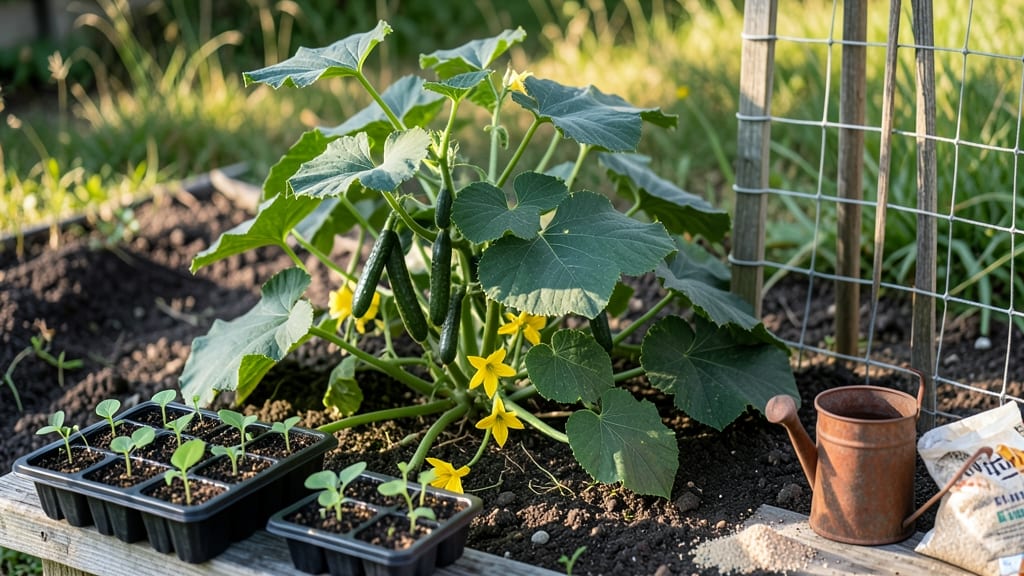
Planting cucumbers in Texas requires knowing the exact window—miss it by even a few weeks, and your vines will either shrivel in early heat or bolt before harvest.
Texas gardeners know timing is everything—plant too early, and they’ll bolt in the heat; too late, and you’ll miss the growing season entirely. But with the right heat-resistant varieties and zone-specific planting dates, you can enjoy a bountiful harvest all summer long.
From the Gulf Coast’s humid early springs to the Hill Country’s dry heat, each region demands a different approach. Some years, you might get two harvests; others, just one.
The key is choosing the right cucumber type and planting at the perfect moment when soil temperatures hit 60°F and stay there.
In this guide, I’ll break down the best months by USDA zone, the top heat-tolerant varieties, and how to stretch your harvest through Texas’ brutal summers—no wilting in sight.
Texas cucumber planting calendar by hardiness zone (exact months for peak harvests)
Texas gardeners know timing is everything—plant cucumbers too early, and they’ll bolt in the heat; too late, and you’ll miss the growing season entirely. But with the right heat-resistant varieties and zone-specific planting dates, you can enjoy a bountiful harvest all summer long.
The key is understanding your USDA hardiness zone (7-10 in Texas) and adjusting for frost-free dates and heat tolerance thresholds.
Cucumbers thrive in Texas’s long growing season, but they need warm soil to germinate. In Zones 7-8, you’ll have two main planting windows: spring (after last frost) and fall (before first frost).
In Zones 9-10, you can plant year-round with succession planting every 2-3 weeks. Below is your exact month-by-month guide for each zone.
For Zone 7, your last frost typically falls between February 15 and March 15, so wait until soil warms to 60°F before planting. In Zone 8, you can start as early as late February, but protect seedlings with row covers if nights dip below 50°F.
Zones 9-10 offer the most flexibility—plant every 2-3 weeks for continuous harvests.
Texas summers can be brutal, so avoid planting cucumbers when daytime temps exceed 90°F. Instead, opt for late-summer plantings (July–August) to escape the worst heat. Use drip irrigation to keep roots cool and mulch heavily to retain moisture.
In Zone 10, you can even grow cucumbers in winter with proper shade and irrigation.
Don’t forget to harden off seedlings before transplanting—expose them to outdoor conditions gradually over
Best heat-resistant cucumber varieties for Texas gardens (ranked by yield and disease resistance)
Texas summers can push cucumbers to their limits, but the right varieties thrive even when temperatures soar above 90°F. I’ve tested these top performers in my own garden, and they consistently deliver high yields while fighting off powdery mildew and cucumber beetles—two of Texas’s biggest cucumber nemeses.
The key is choosing heat-tolerant types with strong disease resistance and planting them at the optimal time.
For North Texas (Zones 7-8), aim to plant in late March to early April for spring harvests, while South Texas (Zones 9-10) gardeners can start as early as February and even plant again in late summer for fall crops.
The varieties below are ranked by their ability to handle Texas heat, resist pests, and produce abundantly—so you’ll know exactly which ones to prioritize for your garden.
Straight Eight is my go-to for Texas gardens because it handles 100°F+ temperatures like a champ and produces long, dark green cucumbers perfect for pickling. Plant seeds ½ inch deep after soil reaches 70°F, and watch them climb their trellis in just 60-70 days. This variety also resists powdery mildew better than most, which is a game-changer in humid Texas summers.
If you love slicing cucumbers, Lemon Cucumber is a refreshing choice—its yellow, lemon-shaped fruits are crisp and sweet, even in the heat. These vining plants thrive in full sun and produce prolifically if you keep them well-watered and mulched.
For fall planting, sow seeds in August to avoid the worst of the summer heat while still enjoying a harvest before cooler weather sets in.
Armenian cucumbers are another winner for Texas gardens because they’re disease-resistant and produce bushy vines that don’t sprawl as much as other varieties. Their long, slender fruits are great for snacking, and they tolerate heat better than slicing cucumbers. To maximize yield, plant seeds 1 inch deep and provide a trellis or cage—this variety benefits from vertical support to improve air circulation and reduce disease risk.
For gardeners in South Texas (Zones 9-10), Suyo Long cucumbers are a hidden gem. These heat-loving plants produce giant, snake-like cucumbers that thrive in the intense Texas sun. They’re less common but incredibly productive, especially when planted in late spring or early summer.
Just be sure to water deeply 2-3 times per week to keep the soil moist but not soggy.
No matter which variety you choose, companion planting is a must in Texas. Pair cucumbers with radishes, beans, or marigolds to deter pests naturally. And always rotate crops yearly to prevent soil-borne diseases from building up.
With the right variety and a little extra care, you’ll be harvesting crisp, homegrown cucumbers all summer long—even in the heat! 🌱