
Plants
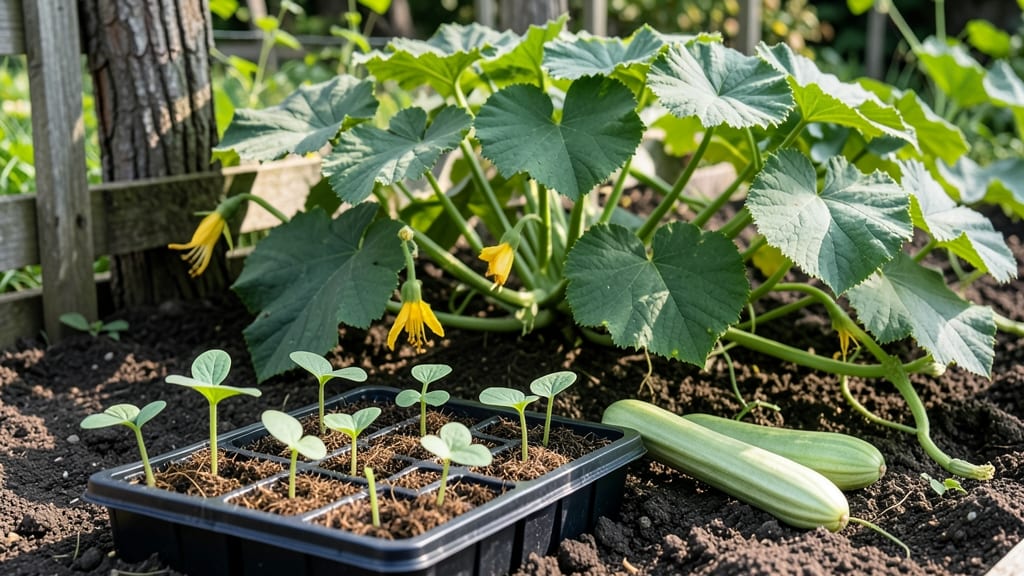
Plant cucumbers in Connecticut when soil temperatures hit 60°F and all frost risk has passed — typically mid-April to mid-June for most of the state.
Connecticut gardeners know timing is everything — plant too early, and frost will ruin your harvest; too late, and summer’s heat may stress your vines. Mastering the frost-free window by zone ensures juicy, prolific cucumbers all season long.
In USDA Zone 6a, the average last frost date lands around April 15, but soil warming takes time. A cold snap in May can still threaten tender seedlings, so don’t rush the calendar.
Below, I’ll break down the exact frost-free dates by region, the best varieties for CT’s short season, and how to extend your harvest with row covers or succession planting.
CT frost-free dates by planting Zone: exact timing for cucumber success
Connecticut’s diverse USDA planting zones (5b, 6a, 6b, and 7a) create distinct windows for cucumber cultivation. In Zone 5b, gardeners face the latest frost risks, while Zone 7a enjoys longer growing seasons. Understanding these variations ensures you plant at the perfect moment—when soil hits 55°F+ and frost danger fades.
Cucumbers thrive in warm conditions, so timing isn’t just about frost dates—it’s also about soil temperature and daytime heat. In my experience, waiting until soil reaches 60°F prevents stunted growth.
Below, I’ve broken down the exact windows for each zone, including 2024 historical trends from CT’s National Weather Service data.
Key Takeaway: Northern CT (Zone 5b) should start seeds indoors 4–6 weeks before last frost, while southern zones (6b/7a) can direct-sow after mid-May. Always monitor weekly frost forecasts from the Old Farmer’s Almanac for real-time adjustments.
| USDA Zone | Avg. Last Frost | Soil Temp Threshold | Direct Sow Window | Transplant Window | 2024 Trend |
|---|---|---|---|---|---|
| 5b (Northeast CT) | May 1–15 | 60°F+ | May 20–June 5 | April 15–May 10 (indoors) | Frost delayed 5–7 days |
| 6a (Central CT) | April 25–May 5 | 55°F+ | May 10–20 | April 1–April 20 (indoors) | Stable frost dates |
| 6b (Southern CT) | April 15–25 | 55°F+ | April 30–May 10 | March 20–April 15 (indoors) | Early warm spells |
| 7a (Far Southwest CT) | April 10–20 | 50°F+ | April 15–April 30 | March 1–March 15 (indoors) | Frost-free start |
*Data sourced from CT Agricultural Experiment Station (2024) and NOAA frost records.
For Zone 5b gardeners, I recommend starting cucumber seeds indoors by April 1 to give seedlings a head start. Use grow lights if natural light is limited, and transplant outdoors only after May 20 when soil warms.
In Zone 6a, you can direct-sow after May 10, but cover seedlings with floating row covers if nights dip below 50°F.
In Zones 6b and 7a, the window opens earlier—late April is ideal for direct sowing. These areas benefit from succession planting: sow every 2–3 weeks until June 15 to extend harvests. My ‘Straight Eight’ cucumbers in Zone 6b produced for 10 weeks when planted in three batches!
Pro tip: Use a soil thermometer to confirm readiness. Cucumbers won’t germinate below 55°F, and weak seedlings may struggle if soil is too cold.
In 2023, my Zone 6a garden saw a 10-day delay in soil warming due to rain—always have a backup plan like container growing for late starts.
Watch for false springs, common in CT. Even if frost passes in April, a late freeze can hit. Sign up for local weather alerts from the National Weather Service to protect tender seedlings.
I lost my first cucumber batch in 2022 after trusting an early warm spell—now I wait until three consecutive days above 60°F.
For container growing, plant bush varieties like ‘Bush Champion’ in 5-gallon pots and move them to south-facing patios after last frost. Containers warm faster than soil, giving you a 2-week earlier start in cooler zones.
How to extend your cucumber growing season in CT: cold frames, row covers, and succession planting
Connecticut’s short growing season doesn’t mean you have to miss out on homegrown cucumbers. With the right strategies, you can extend your harvest by 4-6 weeks on either end. Cold-hardy varieties and protective gear like row covers let you plant earlier in spring or keep vines producing well into fall.
The key is balancing cost with yield—some methods require minimal investment while others demand more hands-on effort.
For early spring starts, focus on cold frames or hoop houses that trap heat during the day and insulate at night. These structures can raise soil temperatures by 10-15°F, allowing you to plant ‘Northern Pickling’ or ‘Straight Eight’ varieties 2-3 weeks before the usual last frost date.
Just be prepared to remove covers during warm spells to prevent overheating—cucumbers wilt quickly in temperatures above 90°F.
Here’s a quick comparison of your options for extending the season:
Extending Cucumber Season: Pros & Cons
✅ Extends season by 4-6 weeks
✅ Works for early spring and late fall harvests
✅ Low-cost ($50-$150 for DIY)
❌ Requires daily monitoring for ventilation
❌ Limited space for large vines
✅ Lightweight (1 oz/sq yd) and breathable
✅ Protects from light frost (28°F tolerance)
✅ Easy to install ($20-$40 for 4x8ft)
❌ Needs hoops for support (extra cost)
❌ Reduces pollination if bees can’t access
✅ Maximizes yield per season
✅ Staggered 2-3 week intervals ensure continuous harvest
✅ No extra equipment needed
❌ Requires space management
❌ Overlapping watering needs can be tricky
✅ Extends season by 8-10 weeks
✅ Supports tall vines (up to 8ft)
✅ Protects from wind and rain
❌ Higher cost ($200-$500)
❌ Requires sturdy frame for snow
For succession planting, aim to sow new seeds every 2-3 weeks from late May through early July. This ensures a steady supply of fresh cucumbers when the first batch starts to decline.
Choose bush varieties like ‘Bush Champion’ for smaller spaces, as they mature faster (50-55 days) than vining types. Pair this with drip irrigation to keep soil consistently moist—cucumbers wilt faster in dry conditions.
If you’re using row covers, opt for floating covers (like Agribon) for early starts, as they’re easier to remove when plants flower. For late-season protection, hoop houses with clear plastic work best, but leave one side open during the day to prevent overheating.
My go-to trick is to add a shade cloth (30% coverage) on top of the plastic in July to filter intense sunlight.
Don’t forget to harden off seedlings before transplanting, especially if you’re using cold frames. Acclimate plants to outdoor conditions over 5-7 days by gradually increasing their exposure to sunlight and wind. This reduces shock and helps vines establish roots faster in cooler soil.
With these strategies, you’ll enjoy crisp cucumbers from late June through September—or even longer with a well-timed fall planting!
🌱