
Diseases
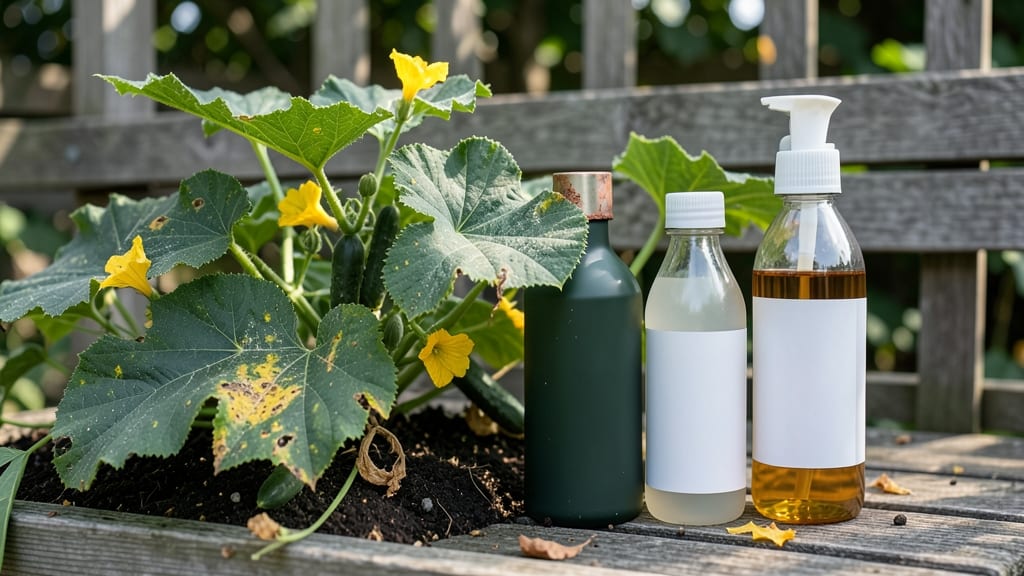
That white fuzzy mess on your cucumbers isn’t just ugly—it’s a sneaky cucumber downy mildew treatment emergency, and copper fungicide spray is your fastest way to stop it before the whole plant collapses. 🌱 I’ve seen this disease wipe out entire gardens in weeks, but with the right treatment, you can bring your plants back to life in just a few applications.
The key? Spraying early, hitting every leaf, and repeating until the fungus has nowhere to hide.
Downy mildew thrives in damp, shady conditions, so the first step is improving airflow around your plants—prune crowded vines and space them out. Copper fungicide works by creating a protective barrier, but it’s not a one-and-done fix.
You’ll need to apply it every 7-10 days during wet weather, and always in the early morning so the leaves stay dry. Think of it like a shield for your plants, blocking the spores before they take hold.
Within a week of consistent spraying, you’ll start seeing new growth pushing through, and those fuzzy patches will shrink back. The real win? Your cucumbers won’t just survive—they’ll bounce back with stronger vines and better yields than before.
Just don’t stop at the first sign of improvement; keep an eye out for new spots until the season cools down.
For next year, focus on resistant varieties like ‘Lemon Cucumber’ or ‘Straight Eight,’ and avoid overhead watering—drip irrigation is your new best friend. This disease is relentless, but with copper spray and smart prevention, you’ll keep your cucumbers thriving season after season.
Root Causes Of Cucumber Downy Mildew
Cucumber downy mildew isn’t just a random nuisance—it’s the result of specific conditions that create the perfect storm for Pseudoperonospora cubensis, the fungus-like pathogen responsible. Understanding these triggers helps you prevent and treat outbreaks before they spiral out of control. Here’s why your cucumbers might be getting infected:
Downy mildew thrives in high humidity (80%+) combined with warm, stagnant air. Here’s how it works:
- Overnight dew or morning fog provides the moisture the pathogen needs to germinate. The fungus releases zoospores (tiny swimming spores) that splash onto leaves in wet conditions.
- Dense plantings or thick foliage trap humidity, creating a greenhouse effect. Without airflow, spores linger longer and infect more leaves.
- Irrigation practices matter: Overhead watering (especially in the evening) keeps leaves wet for hours, giving spores a head start.
Actionable fix: Space plants 12–18 inches apart, prune for airflow, and water at the base early in the day so foliage dries by night.
Not all cucumbers are equally at risk. Hybrid varieties (e.g., ‘Straight Eight,’ ‘Marketmore’) are more vulnerable than heirlooms bred for resistance (like ‘Lemon Cucumber’ or ‘Armenian’ types). Why?
- Genetic weak spots: Many commercial hybrids lack the Ppv1 or Ppv2 resistance genes that repel P. cubensis.
- Young, tender leaves are prime targets. Seedlings and new growth have thinner cuticles, making them easier for spores to penetrate.
- Stress = susceptibility: Heatwaves, drought, or nutrient deficiencies weaken plants, making them more prone to infection.
Actionable fix: Choose resistant varieties (look for labels like “PM” for powdery mildew resistance or “DM” for downy mildew). Rotate crops annually to avoid soil-borne spore buildup.
Downy mildew is a cool-season opportunist. It peaks when:
- Daytime temps hover between 60–75°F (15–24°C), but nights dip below 60°F (15°C). The pathogen slows down in extreme heat (above 85°F/29°C) but explodes in these moderate ranges.
- Early spring or fall planting increases risk. Warm soil (for root growth) + cool air (for spores) = ideal conditions.
- Sudden temperature swings (e.g., heatwaves followed by rainy days) stress plants, opening doors for infection.
Actionable fix: Avoid planting cucumbers in late summer if your climate is hot/humid. Use row covers in spring to raise temps and deter spores.
Spores can survive in soil for years and hitchhike on tools, clothing, or even wind. Here’s how:
- Previous infestations: If you grew cucumbers, melons, or squash in the same spot last year, spores may still be lurking in the soil.
- Infected plant debris: Leaving behind diseased leaves or stems gives spores a home until next season.
- Shared tools or hands: Pruners, gloves, or even your shoes can transfer spores from one plant to another.
Actionable fix: Solarize soil (cover with clear plastic for 4–6 weeks in summer) or use copper fungicide as a soil drench. Disinfect tools with 70% alcohol or bleach water (1:10 ratio) between uses.
Unlike many fungi, downy mildew spores swim in water. Overhead irrigation turns your garden into a spore-spreading machine:
- Splash dispersal: Rain or sprinklers send spores from infected lower leaves to healthy upper leaves, accelerating spread.
- Evening watering: Leaves stay wet overnight, giving spores 12+ hours to infect—peak infection time.
- Drip irrigation isn’t foolproof, but mist from overhead systems is a red flag.
Actionable fix: Switch to drip irrigation or soaker hoses. If you must overhead-water, do it before 10 AM and aim for the soil, not the foliage.
Quick Fixes for Downy Mildew
Downy mildew on cucumbers can feel like a nightmare, but don’t panic—there are effective, actionable steps to stop it in its tracks. The key is acting fast, combining preventive measures with targeted treatments. Below, we break down the most common causes and the practical fixes to save your crop.
Cause: Leaving diseased leaves or vines spreads spores faster than you can say “harvest season.” Fix:
- 🔪 Snip and toss any yellowing, spotted, or wilting leaves into the trash (not compost).
- 🌱 Prune aggressively—don’t just trim; remove entire infected stems if needed.
- 🚫 Isolate affected plants to prevent cross-contamination to healthy cucumbers.
Pro Tip: ✨ Wear gloves and sanitize pruners with rubbing alcohol between cuts to avoid spreading spores.
Cause: Downy mildew thrives in damp conditions, and once spores land on leaves, they multiply rapidly. Fix:
- 💧 Spray early & often with a copper-based fungicide (like copper sulfate or copper hydroxide).
- Best time: Morning or evening (avoid midday sun, which can burn leaves).
- Frequency: Every 7–10 days or after heavy rain.
- 🌿 Mix it right: Follow label instructions—typically 1–2 tbsp per gallon of water.
- 👨🍳 Cover all surfaces, including undersides of leaves (where spores hide).
Pro Tip: 💡 For organic gardens, add 1 tbsp baking soda + 1 tbsp vegetable oil + 1 tsp dish soap per gallon of water as a preventive spray between copper treatments.
Cause: Downy mildew loves humidity, poor airflow, and crowded plants. Fix:
- 💨 Improve airflow by spacing plants 18–24 inches apart and pruning nearby foliage.
- ☀️ Maximize sunlight—downy mildew weakens in dry, sunny conditions. Thin vines if needed.
- 💦 Water wisely:
- 🚰 Water at the base (not overhead) to keep leaves dry.
- ⏰ Water early (before 10 AM) so foliage dries by evening.
Pro Tip: 🌡️ Use a soil moisture sensor to avoid overwatering—downy mildew strikes when soil stays soggy for days.
Cause: Repeated infections mean the fungus is already in your soil or garden routine. Fix:
- 🌱 Rotate crops—don’t plant cucumbers, melons, or squash in the same spot for 3+ years.
- 🍂 Clean up debris in fall—remove all plant matter and till soil to break spore cycles.
- 🌿 Use resistant varieties like ‘Diva,’ ‘Marketmore 76,’ or ‘Aristotle’ (bred to fight downy mildew).
- 🧴 Soil drenches: Mix 1 tbsp hydrogen peroxide (3%) per gallon of water and apply to soil monthly to reduce spores.
Pro Tip: ✨ Plant marigolds or nasturtiums nearby—they repel pests and improve airflow, making your cucumbers less appealing to mildew.
Final Reminder: Downy mildew is beatable, but speed is everything. Combine removal, copper sprays, airflow fixes, and prevention for the best results. Your next crisp cucumber salad is worth the effort! 🥒💚
Frequently asked questions about cucumber downy mildew
How quickly will copper fungicide show results on downy mildew?
You’ll typically see new growth emerging within 5-7 days of consistent spraying, but don’t expect complete clearance until 2-3 weeks of treatment. The fungus needs multiple applications to fully break its cycle—think of it as creating a protective shield rather than an instant cure. The key is hitting every leaf surface and repeating every 7-10 days during wet conditions.
Can I still harvest cucumbers from plants with downy mildew?
Yes, but focus on harvesting from the healthiest vines first. Avoid picking from heavily infected leaves or stems, as they may harbor spores. The disease primarily attacks foliage, not the fruit itself, so your cucumbers can still be safe to eat. Just wash them thoroughly before consuming.
Will downy mildew come back next year if I treat it this year?
Absolutely—spores can survive in soil and plant debris for years. To prevent recurrence, combine this year’s treatments with crop rotation (wait 3+ years before replanting cucumbers in the same spot) and thorough fall cleanup. Solarizing your soil or using a copper soil drench before winter can also reduce spore populations significantly.
What’s the difference between downy mildew and powdery mildew on cucumbers?
Downy mildew appears as yellow spots on top leaves with white fuzzy growth on undersides, while powdery mildew shows as white powdery coatings on both sides of leaves. Downy mildew thrives in cooler, wetter conditions, while powdery mildew prefers warm, dry weather. Both require different treatments—copper fungicide for downy, sulfur or neem oil for powdery.
Is baking soda really effective against downy mildew?
Baking soda helps as a preventive measure but won’t cure active infections. Mix 1 tbsp baking soda + 1 tbsp oil + 1 tsp soap per gallon of water and spray on dry leaves. It works by creating an unfriendly environment for spores, but for existing mildew, you’ll still need copper fungicide. Use baking soda every 7-10 days during humid periods for best results.