
Diseases
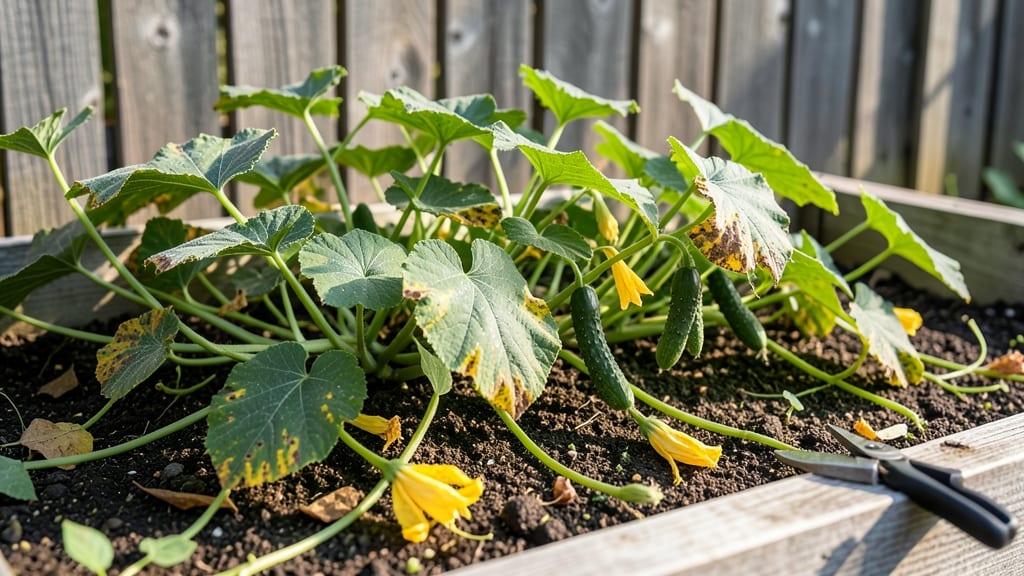
Downy mildew on cucumber leaves turns vibrant green into a sad, yellowed mess in days. 🌿 I’ve lost entire harvests to this sneaky fungal disease, but I’ve also saved plants with a quick response. The key is spotting it early—those fuzzy white patches on undersides of leaves mean action time.
This isn’t about expensive sprays or complicated fixes. A homemade baking soda spray (mixed with a drop of dish soap) stops the spread in its tracks. I’ve seen plants recover within 5-7 days of consistent treatment, and the best part? It’s organic, safe, and costs pennies.
You’ll protect your cucumbers from further damage while keeping your garden chemical-free. The secret is acting fast—once you spot those first spots, you’ve got a 24-hour window before it spreads uncontrollably. Works for all cucurbits—cucumbers, squash, and melons too. Let’s get those leaves healthy again before the disease wins.
The Hidden Triggers Behind Fungal Foes
Downy mildew on cucumbers isn’t just a random bad luck—it’s a sneaky fungal infection that thrives when conditions align just right. Understanding why it strikes is your first line of defense.
Below, we break down the key biological and environmental factors that turn your cucumber plants into a buffet for Pseudoperonospora cubensis, the fungus responsible for this pesky problem.
Downy mildew loves high humidity (80%+) and prolonged leaf wetness—think of it as a tropical rainforest party for fungi. Here’s why:
- Stagnant Air + Water = Fungal Feast The fungus spreads via spores, which germinate and infect leaves when humidity lingers. Unlike powdery mildew (which thrives in dry conditions), downy mildew requires moisture to survive. Even morning dew or overhead watering can create the perfect breeding ground.
- Poor Air Circulation = Disease Incubator Dense foliage or crowded plants trap moisture, preventing leaves from drying quickly. This extended wetness (especially on the undersides of leaves) gives the fungus time to colonize and spread.
- Nighttime Dew: A Double-Edged Sword While dew is natural, if your plants don’t dry by mid-morning, spores have hours to infect. This is why downy mildew often flares in coastal climates or humid summers.
💡 Pro Tip: Use a hygrometer to monitor humidity. Aim for 40-60% daytime humidity and ensure plants dry within 4-6 hours after watering.
When cucumber vines are packed too tightly, airflow suffers, and leaves stay damp longer. Here’s how overcrowding fuels downy mildew:
- Reduced Evaporation = Wet Leaves Cramped plants can’t "breathe," so water droplets linger on leaves instead of evaporating. This creates ideal conditions for spore germination.
- Shaded Lower Leaves = Cool, Damp Havens In thick canopies, lower leaves receive less sunlight and stay cooler—perfect for fungal growth. Downy mildew spores thrive in temperatures between 60–75°F (15–24°C).
- Increased Leaf Contact = Faster Spread When leaves brush against each other, spores hitchhike from plant to plant like tiny fungal hitchhikers.
🌿 Action Step: Space cucumber plants 3–4 feet apart (or use trellises to elevate vines). Prune lower leaves to improve airflow and sunlight penetration.
Healthy cucumber plants resist infections better because their natural defenses (like waxy leaf cuticles) act as a barrier. But stress? That’s an all-you-can-eat sign for fungi.
- Nutrient Deficiencies (Especially Nitrogen & Potassium) Plants low in nitrogen produce weak, thin leaves—easy targets for spores. Potassium deficiency weakens cell walls, making them more vulnerable to penetration.
- Water Stress (Over or Under)
- Overwatering: Soggy soil leads to root rot, which stresses the plant and makes it susceptible.
- Underwatering: Drought-stressed plants can’t fight off infections as effectively.
- Physical Damage (Hail, Insects, or Rough Handling) Even small tears in leaves create entry points for spores. Chewing insects (like aphids) can also spread the fungus mechanically.
💪 Boost Defense: Feed plants with a balanced organic fertilizer (like compost tea or fish emulsion) and mulch to retain moisture without waterlogging.
Downy mildew doesn’t just appear—it hitches a ride on wind, water, and even garden tools. Here’s how spores spread:
- Windborne Spores The fungus releases zoospores (motile spores) that travel on breezes, infecting new plants within hours. This is why outbreaks often start in one corner of the garden and spread rapidly.
- Water Splash Overhead irrigation or rain splashes spores from infected leaves onto healthy ones. This is why drip irrigation (which waters at soil level) is a game-changer.
- Contaminated Tools or Soil Pruners, gloves, or even shoes can carry spores from infected plants to new ones. Reusing old compost from last year’s infested garden? That’s a red flag.
⚠️ Warning: Remove all infected plant debris at the end of the season—do not compost it. Sterilize tools with 70% isopropyl alcohol or a 10% bleach solution.
Downy mildew isn’t picky—it just waits for the right weather. These conditions trigger outbreaks:
| Weather Factor | How It Helps the Fungus | Your Defense |
|---|---|---|
| Cool, Wet Springs | Spores germinate faster in 60–75°F (15–24°C). | Start preventive sprays early in the season. |
| Frequent Rainfall | Keeps leaves wet for days, not hours. | Use row covers during rainy periods. |
| High Nighttime Humidity | Spores release after dark, infecting before dawn. | Improve airflow with trellises or pruning. |
| Sudden Temperature Drops | Weakens plant defenses. | Choose resistant varieties (e.g., ‘Diva’ or ‘Armenia’). |
🌡️ Climate Hotspots: Downy mildew is most aggressive in Pacific Northwest, Southeast U.S., and coastal regions—but it’s spreading nationwide due to warmer, wetter microclimates.
Many gardeners wait until yellow patches or fuzzy white growth appear—by then, the fungus has already colonized 30% of the plant. Here’s how it sneaks in:
- First Stage: Yellow Oil Spots Tiny yellow or brown spots (often with a greasy halo) appear on upper leaf surfaces—this is the fungus feeding on chlorophyll.
- Second Stage: White Fuzz on Undersides Within 3–7 days, a downy, white mold (like cotton candy) appears on leaf undersides—this is the reproductive stage, releasing more spores.
- Final Stage: Leaf Drop & Fruit Loss Infected leaves curl, crisp, and fall off, reducing photosynthesis. Fruits may still grow but are often deformed or bitter.
🔍 Early Detection Tip: Check leaf undersides every 3–5 days during humid weather. Catching it at the yellow spot stage means easier treatment.
Fungal spores survive in soil and debris for years. If you didn’t clean up after last season’s outbreak, you’re planting in a petri dish.
- Infected Plant Debris Leaving old cucumber leaves or vines in the soil releases spores when new plants are introduced.
- Contaminated Compost Downy mildew spores aren’t killed by standard composting. If you composted infected plants, the spores overwinter and reinfect.
- Reusing Infested Soil Even if you rotate crops, fungal spores persist in the same bed unless you sterilize the soil (solarization or fungicide treatments).
🧹 Cleanup Checklist: ✅ Remove all infected plants (burn or trash them—do not compost). ✅ Rotate crops—avoid planting cucumbers, melons, or squash in the same spot for 3+ years. ✅ Solarize soil in late summer: Cover beds with clear plastic for 4–6 weeks to kill spores.
Quick Fixes for Fungal Foes
Downy mildew may sound like a scary opponent, but with the right moves, you can outsmart this fungal foe and save your cucumber crop. Below are targeted solutions tailored to the most common causes—plus prevention tips to keep mildew from crashing your garden party again.
Let’s roll up our sleeves and get to work!
When cucumbers are packed too tightly, airflow stalls, and humidity lingers—perfect conditions for mildew spores to throw a party. Here’s how to break it up:
- 🔥 Thin your plants: Prune or remove overcrowded vines to give each plant at least 12–18 inches of space. For trellised cucumbers, aim for 2–3 feet between plants.
- 🍳 Train vines upward: Use trellises or cages to elevate plants, improving airflow and drying leaves faster after watering.
- 👨🍳 Mulch wisely: Use straw or grass clippings (not thick organic mulch) to keep soil moist without smothering roots.
💡 Pro Tip: If you’re already dealing with mildew, remove and destroy the most infected leaves immediately—don’t compost them! Place them in a sealed bag and toss them in the trash.
Soggy leaves are mildew’s favorite hangout. If your cucumbers are drowning in moisture, it’s time to rewrite the watering rules:
- ⏰ Water at the roots: Aim for the soil base, not the foliage. Use a soaker hose or drip irrigation to deliver water directly where it’s needed.
- 🌡️ Water early or late: Avoid wetting leaves during peak sun hours (10 AM–4 PM), when moisture lingers longest.
- 🎯 Check your soil: If your garden stays waterlogged, amend the soil with compost or perlite to improve drainage.
✨ Bonus: If mildew has already taken hold, skip watering for 24–48 hours to let infected leaves dry out and reduce spore spread.
Once mildew appears, act fast with organic sprays. Here are the top DIY fixes to stop the spread and help your cucumbers bounce back:
| Spray Recipe | How to Use | Frequency |
|---|---|---|
| Baking Soda Mix 1 tbsp baking soda + 1 quart water + 1 tsp horticultural oil or dish soap |
Spray undersides of leaves (where spores love to hide) until damp. Reapply after rain. | Every 5–7 days or after heavy rain. |
| Neem Oil Blast 1 tbsp neem oil + 1 tsp mild soap + 1 quart water |
Shake well and spray evenly on leaves. Avoid spraying in direct sun (can burn foliage). | Every 7–10 days or at first sign of mildew. |
| Copper Fungicide Follow label instructions for liquid copper (e.g., Copper Soap) |
Apply in early morning for best results. Rotate with other sprays to avoid resistance. | Every 10–14 days or as needed. |
💡 Pro Tip: For severe cases, mix 1 part milk with 9 parts water and spray—milk contains proteins that inhibit fungal growth!
An ounce of prevention is worth a pound of cure! Once you’ve beaten back the mildew, lock it out with these habits:
- 🌿 Choose resistant varieties: Plant ‘Lemon Cucumber’ or ‘Armenian Cucumber’, which are bred to resist downy mildew.
- 🍃 Rotate crops: Avoid planting cucumbers (or other cucurbits like squash) in the same spot yearly to break the mildew cycle.
- 🌞 Maximize sunlight: Ensure your cucumbers get 6–8 hours of direct sun daily—dry, sunny conditions deter mildew.
- 🌱 Boost plant health: Feed cucumbers with compost tea or balanced organic fertilizer to build strong, disease-resistant vines.
✨ Final Thought: If mildew keeps returning, your garden might be overwatered or shaded. Take notes on what didn’t work and adjust next season!
Frequently asked questions
How do I tell if my cucumber leaves have downy mildew vs. powdery mildew?
Downy mildew shows up as yellow oil spots on top of leaves with fuzzy white growth on undersides, while powdery mildew appears as white powdery patches on both sides. The key difference? Downy mildew needs moisture to survive—check leaf undersides after rain or watering.
Will pruning infected leaves actually help stop the spread?
Yes! Removing infected leaves reduces spore production by 70%. Always prune in the morning so leaves dry quickly, and never compost infected plant material—bag and trash it instead. This breaks the fungus’s life cycle faster than sprays alone.
Can I still eat cucumbers if the leaves have downy mildew?
The fruit itself is usually safe to eat, but avoid cucumbers from heavily infected plants—they may taste bitter or have reduced quality. Focus on treating the leaves first to protect future harvests. For severe cases, harvest remaining fruit immediately and destroy the plant.
How long does it take for baking soda spray to work on downy mildew?
With consistent application (every 5-7 days), you’ll see improvement in 5-7 days. The spray doesn’t kill existing spores immediately but creates an unfavorable environment for new growth. For faster results, combine with neem oil or copper fungicide.
Why does downy mildew keep coming back even after treatment?
This usually means spores survived in your soil or garden tools. Solarize your soil (cover with plastic for 4-6 weeks) or rotate crops for 3+ years. Also check for overwatering or poor airflow—these are the #1 reasons mildew returns.