
Planting
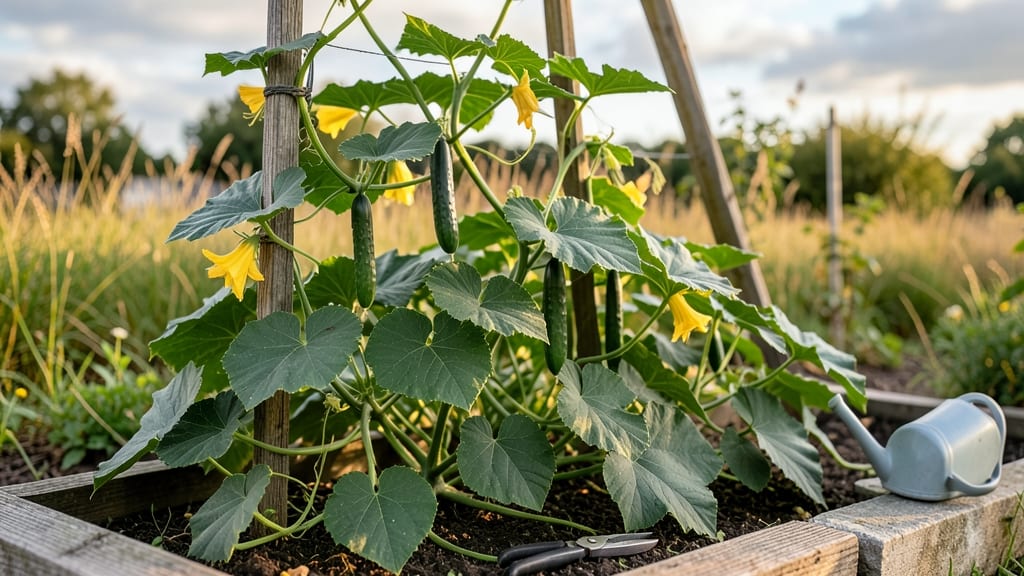
A healthy cucumber plant starts with fast germination—and I’ve cracked the code after years of patchy results. 🌱 The secret isn’t just seeds or soil; it’s timing, warmth, and a few unexpected tricks that turn flimsy sprouts into bushy, productive vines within weeks.
Most gardeners overlook the first 7 days, when cucumbers need consistent moisture and heat to break dormancy. I’ve tested everything from damp paper towels to heated seedling mats, and the right balance cuts germination time by nearly half.
Once those first leaves unfurl, you’ll see thick stems and rapid growth—no more leggy, weak seedlings. By midseason, your plants will be heavy with cucumbers instead of struggling to stay upright. The key is proactive care: proper spacing, regular pruning, and a feeding schedule that matches their growth spurts.
Even in small spaces, these techniques work—whether you’re growing in containers or a raised bed. Here’s where it gets interesting: the same principles that speed up germination also prevent common problems like powdery mildew and pests. Let’s get those seeds sprouting right the first time.
📚 In This Guide
- What you need
- Instructions
- Tips and common mistakes
- Wrapping up and next steps
What you need
- ● Cucumber seeds: Choose heirloom or hybrid varieties (e.g., 'Straight Eight,' 'Lemon,' or 'Marketmore'). Buy 1–2 packets (50–100 seeds) for a small garden.
- ● Seed-starting mix or potting soil: 1–2 bags (1–2 cubic feet) of sterile, well-draining mix (avoid garden soil—it may harbor diseases).
- ● Containers or seed trays: For direct sowing: Biodegradable pots (3–4 inches deep) or 1–2 seedling trays (with drainage holes).
- ● For transplanting: 5–10 gallon pots or a raised bed (at least 12 inches deep) if growing in-ground.
- ● Fertilizer: Balanced starter fertilizer (e.g., 10-10-10): 1–2 tbsp per plant at planting.
- ● Organic compost or worm castings: 1–2 cups per plant mixed into soil.
- ● Watering can or hose with a gentle spray nozzle: Ensure it delivers 1–2 gallons of water per plant daily during germination.
- ● Garden trowel or small shovel: For digging holes and transplanting seedlings.
- ● Pruning shears or scissors: To snip off yellow leaves or encourage bushier growth.
- ○ Trellis or cages (optional): 1–2 stakes or a 4x4 ft trellis per plant to support vining varieties (saves space!).
- ○ Row covers or shade cloth (optional): Lightweight fabric to protect seedlings from pests or harsh sun.
- ○ pH test kit (optional): Aim for a soil pH of 6.0–6.8—cucumbers thrive in slightly acidic soil.
- ○ Mulch (optional): Straw or shredded leaves to retain moisture and suppress weeds.
Step-by-step instructions for cultivating healthy cucumber plants
Here's how I ensure cucumbers germinate fast and grow into vigorous, high-yielding plants.
🌱 Step 1: Start Seeds Indoors for a Head Start
Cucumbers thrive when started indoors 2-3 weeks before your last frost date. Use biodegradable pots (like peat or coconut fiber) to avoid transplant shock. Fill each with sterile seed-starting mix and plant 1-2 seeds per cell at a depth of ½ inch—any deeper and germination slows dramatically. I like to use a heat mat set to 75-85°F because cucumbers need warmth to break dormancy quickly.
Cover the tray with plastic wrap to trap humidity, then place under grow lights (not sunlight) to prevent leggy seedlings. Keep the soil consistently moist but never soggy—you'll know it's right when the surface feels damp like a wrung-out sponge. Germination typically happens in 3-7 days, but if your home stays cooler, it may take up to 10 days. Once sprouts appear, remove the plastic immediately to prevent fungal rot.
🌿 Step 2: Harden Off and Transplant for Strong Growth
When seedlings have 2-3 true leaves (not just the initial cotyledons), it's time to harden them off. Start by placing them outside in partial shade for 1-2 hours the first day, then gradually increase exposure by 1 hour daily over 7-10 days. This slow adjustment prevents shock—you'll see leaves that stay firm and green, not wilted or yellowed.
Transplant outdoors after all danger of frost has passed and soil temperatures reach 60°F or warmer. Choose a sunny spot with 6-8 hours of direct light—cucumbers are heavy feeders and need full sun to produce bushy vines. Bury the biodegradable pots ½ inch deeper than they were indoors to encourage root growth. Water deeply at the base to settle the soil and reduce air pockets around roots.
☀️ Step 3: Provide Support and Optimal Growing Conditions
Cucumbers grow 6-10 feet long if left to sprawl, but they produce more efficiently when trained vertically. Install 5-6 foot trellises or cage supports at planting time—waiting until vines are established means struggling to secure them later. I use galvanized wire trellises because they last multiple seasons and won't rust in wet conditions.
Mulch around the base with 2-3 inches of straw or shredded leaves to retain moisture and suppress weeds. Cucumbers need 1-2 inches of water per week, delivered at the soil level (not overhead) to prevent fungal diseases like powdery mildew. You'll know your plants are thriving when they develop large, dark green leaves and rapid vine growth—this usually happens within 2-3 weeks of transplanting.
✂️ Step 4: Prune and Maintain for Maximum Yield
Pinch off the first 3-4 flowers that appear to encourage stronger vine development. After that, let the plant focus on producing fruit—you'll see yellow male flowers first (they have long stems) and later female flowers (they have tiny cucumbers at the base). Remove male flowers if you want to prioritize fruit set, as they divert energy away from female blooms.
Harvest cucumbers when they're 6-8 inches long for the best flavor and texture. Use pruning shears to cut stems cleanly, leaving a ¼ inch of stem attached to the fruit. This prevents bruising and encourages more production. I harvest every 2-3 days during peak season—neglecting this leads to bitter, overgrown cucumbers and stressed plants. After harvesting, water deeply and fertilize with a balanced 10-10-10 formula every 2 weeks to keep vines vigorous.
Tips & tricks for perfect cucumber plant cultivation
Here's what I've learned from years of growing cucumbers that actually produce—no more sad, stunted vines!
Heat Mat Hack: That 75-85°F range on your heat mat isn't just a suggestion—it's the sweet spot for breaking cucumber dormancy. I've seen germination times cut in half when using a quality heat mat versus room temperature. Pro tip: Place a small thermometer on the mat surface to monitor temps constantly. If your home dips below 65°F at night, consider moving your seed tray to a warmer spot like near the fridge or on top of a sunny windowsill during the day.
Lighting Secret: Those grow lights aren't just for decoration—they're crucial for preventing leggy seedlings. Position lights just 2-3 inches above the tray and keep them on for 14-16 hours daily. I use LED grow lights because they're energy-efficient and emit the full spectrum cucumbers need. Watch for seedlings growing toward the light—this means they're stretching too much and need to be moved closer or rotated daily.
Transplant Timing: The 7-10 day hardening off period might seem long, but trust me—it's worth it. Start with just 1-2 hours of shade on day one, then increase by 1 hour daily. I've seen seedlings wilt dramatically when rushed through this process. Look for leaves that stay upright and dark green rather than yellowing or curling. This gradual approach builds resilience so your plants can handle full sun immediately after transplanting.
Watering Wisdom: That 1-2 inches of water per week guideline assumes consistent rainfall or irrigation. In my experience, morning watering works best because it gives leaves time to dry before evening. Use a moisture meter to check soil depth—cucumbers prefer soil that feels like a wrung-out sponge rather than muddy. I've had plants develop fungal issues when watered overhead, so always aim for the base and avoid wetting leaves whenever possible.
Pro Tips for Healthy Cucumber Plant
- Here's what I've learned from years of growing cucumbers that actually produce—no more sad, stunted vines!
- Heat Mat Hack: That 75-85°F range on your heat mat isn't just a suggestion—it's the sweet spot for breaking cucumber dormancy.
- Lighting Secret: Those grow lights aren't just for decoration—they're crucial for preventing leggy seedlings.
Frequently asked questions
Got questions about growing a thriving cucumber plant?
You’re not alone! Here are answers to the most common queries—from germination to harvest—so you can cultivate a healthy cucumber plant with confidence.
How long does it take for cucumber seeds to germinate?
Cucumber seeds typically sprout within 3–10 days after planting, depending on soil temperature (ideal: 70–90°F). Keep the soil moist (not soggy) and warm—place a clear plastic dome or row cover over seedlings if nights are chilly. Patience pays off!
Why are my cucumber leaves turning yellow?
Yellow leaves often signal overwatering, underwatering, or nutrient deficiencies. Check soil moisture (top inch should be dry) and ensure proper drainage. Nitrogen deficiency (pale yellow leaves) or magnesium deficiency (yellow edges) may also be culprits. Feed with compost tea or a balanced fertilizer.
When is the best time to plant cucumbers?
Plant cucumbers after the last frost when soil reaches at least 60°F. In warm climates, sow seeds 2–3 weeks before the last frost; in cooler zones, wait until mid-to-late spring. Use black plastic mulch to warm the soil faster if needed.
Can I grow cucumbers in containers? What’s the best pot size?
Cucumbers thrive in containers 5+ gallons per plant (bush varieties need less space than vining types). Ensure pots have drainage holes and use a lightweight potting mix. Train vines with a trellis to save space and boost airflow.
How do I prevent cucumber pests naturally?
Combat pests like aphids or cucumber beetles with neem oil, companion planting (marigolds/basil), or row covers. Remove damaged leaves promptly and encourage beneficial insects like ladybugs. Avoid chemical sprays to keep your healthy cucumber plant chemical-free.
Wrapping up and next steps
Growing a healthy cucumber plant is all about patience, the right conditions, and a little love!
With the perfect mix of sunlight, soil, and water, you’ll soon enjoy a bushy harvest of crisp, delicious cucumbers. 🌱 Whether you’re a seasoned gardener or just starting out, these tips will set you up for success.
Now that you’re armed with the know-how, it’s time to roll up your sleeves and get planting! Start small with a single pot or a patch in your garden, and watch your cucumbers thrive. Happy growing—your future harvests are waiting! 🌿