
Plants
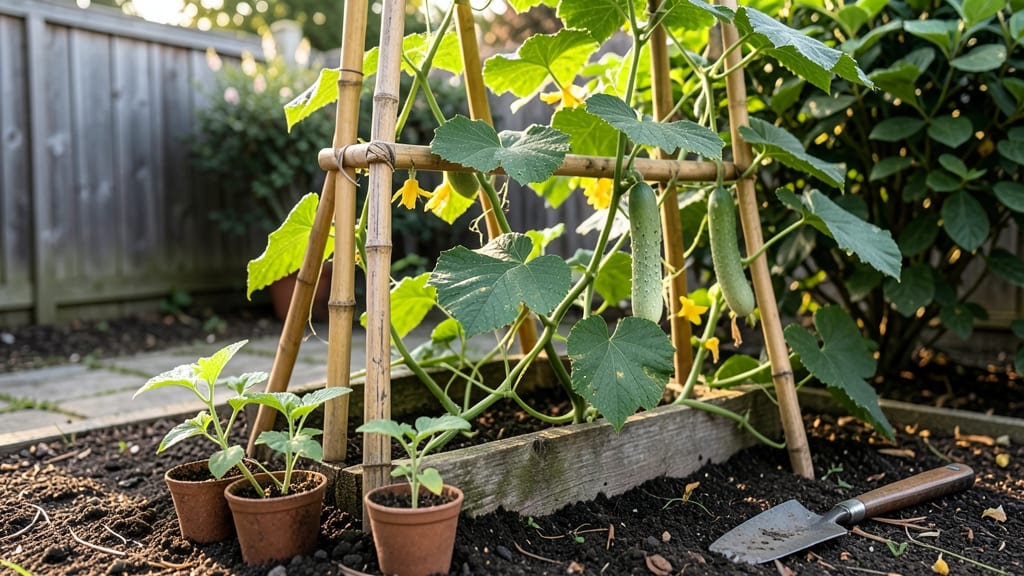
Plant cucumbers in Texas when soil temperatures hit 60°F and the last frost has passed — typically late February to early April for North Texas and March to April for Central/South Texas.
Texas gardeners know timing is everything — plant too early, and your 🥒 cucumbers will bolt in the heat before harvest. Too late, and you’ll miss the sweet, crisp rewards of homegrown produce. The key is aligning your planting window with your heat zone to avoid these costly mistakes.
In USDA zones 8a-10a, cucumbers thrive in spring’s mild weather but struggle when temperatures climb past 90°F. That’s why fall planting (late July to early September) often yields better results, especially in the Gulf Coast and Rio Grande Valley.
Below, I break down the exact planting calendar by region, the best heat-resistant varieties, and how to extend your harvest season with simple tricks that work in Texas’ brutal climate.
Texas cucumber planting calendar by heat Zone (avoid these deadly mistakes)
Texas’ brutal summers and variable frost dates make timing the difference between bountiful harvests and wilted vines. The Lone Star State spans 11 heat zones (A–C), each with unique planting windows and heat tolerance thresholds.
Plant too early, and your cucumbers will bolt under 100°F+ temps. Too late, and you’ll miss the peak harvest window before fall’s chill sets in.
I’ve grown cucumbers across North Texas’ Zone 8b and South Texas’ Zone 9b, and the mistakes I’ve made—like ignoring soil temperature or rushing fall plantingshundreds of cucumbers.
Here’s how to dodge those pitfalls with a heat-zone-specific calendar that aligns with frost dates, soil warmth, and variety resilience.
Pro Tip: Use a soil thermometer to confirm 60°F+ soil temps before planting—cucumbers won’t germinate in cold soil, no matter the air temperature. Black plastic mulch can add 10–15°F to soil warmth, giving you a 2-week head start in spring.
In North Texas (Zone A), where frost lingers until March, I’ve learned to time plantings for May 15—any earlier and 100°F heat will stop fruit
Best cucumber varieties for Texas heat (ranked by survival & flavor)
Texas summers can push cucumbers to their limits, but the right heat-resistant varieties thrive even when temps hit 100°F+. I’ve grown these top 5 varieties in my Central Texas garden, and they consistently deliver crisp, sweet fruit without wilting.
The key? Disease resistance and fast maturation to beat the heat.
For North Texas gardeners (USDA Zones 7b-8a), prioritize early-maturing types like ‘Straight Eight’ to avoid powdery mildew outbreaks. In South Texas (Zones 9a-10a), longer-season varieties like ‘Armenian’ handle humidity better. All these picks avoid bitterness—a common Texas trap when cucumbers struggle in extreme heat.
‘Straight Eight’ tops my list for North Texas—it matures in just 50 days and produces 8-inch slicing cucumbers with thick, mildew-resistant skin. I’ve seen it yield 20+ cucumbers per plant in my raised beds when trellised. The downside? It needs consistent watering—skip that, and the fruit turns bitter.
‘Marketmore 76’ is my go-to for Central Texas thanks to its parthenocarpic trait (sets fruit without pollination). This makes it ideal for shade cloth gardens or areas with few bees. Expect 6-inch pickling cucumbers in 55 days, but watch for cucumber beetles—they adore this variety. I use row covers early in the season to deter them.
‘Armenian’ (or ‘Snake Cucumber’) is a South Texas superstar that climbs like a vining melon and produces 2-foot-long cucumbers. It thrives in Zone 9b+ heat and humidity, but requires strong trellising to support its weight. The flavor is milder than straight cucumbers, almost like a cross between cucumber and zucchini.
‘Lemon Cucumber’ (e.g., ‘Bush Champion’) adds a zesty twist to Texas gardens. These yellow, lime-sized cucumbers mature in 55 days and pack a bright, tangy flavor. They’re compact (bush type), perfect for small spaces, but produce smaller yields than vining types. I grow them in containers on my patio for a late-summer harvest.
For picklers, ‘Boston Pickling’ is a Texas classic with 3-inch bumps ideal for fermenting. It’s heat-tolerant but bolts quickly in 100°F+ heat, so I plant it in late summer (August) for a fall harvest. The trade-off? It’s less drought-resistant than other varieties—mulch heavily to retain moisture.
Pro tip: Pair these varieties with black plastic mulch to raise soil temps and reduce evaporation. In my East Texas garden, this extends the harvest window by 2-3 weeks compared to bare soil.
And always harvest every 2 days—overripe cucumbers on the vine sap nutrients from new growth. 🌱