
Plants
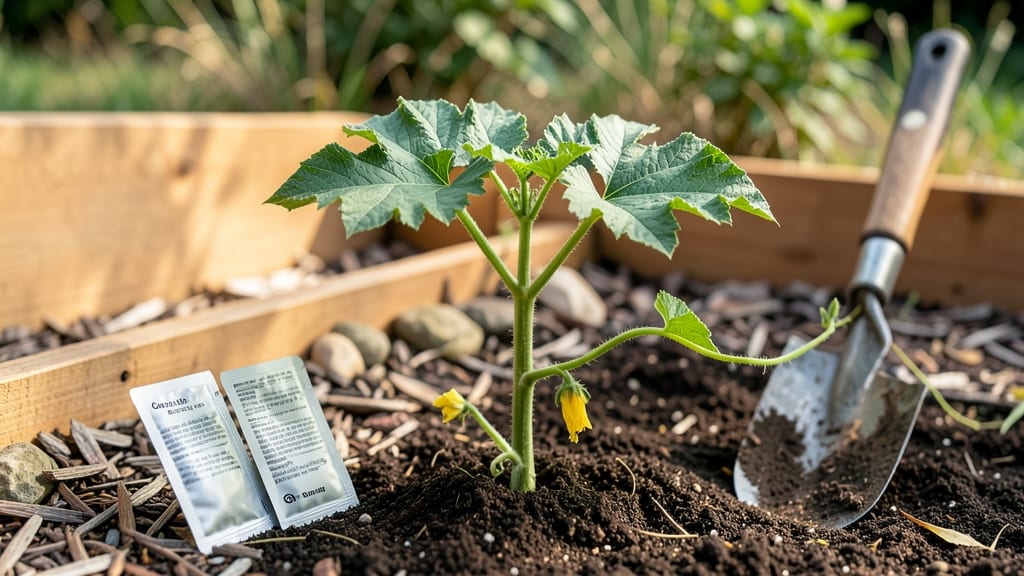
Planting cucumber seeds in Missouri after the last frost—typically mid-April to mid-May—sets the stage for a productive harvest, but timing isn’t one-size-fits-all.
Missouri gardeners know timing is everything—and planting cucumbers too early or too late can mean the difference between a bountiful harvest and wasted effort. With Missouri’s unpredictable frost dates and heat waves, knowing the perfect window to sow cucumber seeds is your secret weapon for a thriving garden.
Soil temperature is the real deal-breaker: cucumbers won’t germinate until the ground hits 60°F, and regional microclimates can shift that window by weeks. Whether you’re in St. Louis, Kansas City, or the Ozarks, local frost data and heat tolerance matter more than calendar dates.
Below, I’ll break down the frost-free window by region, how to extend your season with cold frames, and the best Missouri-friendly varieties that handle humidity and heat like champs.
Missouri’s frost-free window for planting cucumber seeds: exact dates by region
Planting cucumber seeds in Missouri requires precision—cucumbers are warm-season crops that hate frost and need consistent soil warmth to thrive. The Missouri Botanical Garden tracks frost dates, but microclimates (like urban heat islands or sheltered valleys) can shift your ideal window by 1-2 weeks.
Let’s break down the exact frost-free dates for Missouri’s top regions and how to use them.
First, know that cucumbers won’t germinate until soil hits 55°F+, but they grow best when soil is 60°F or warmer. In Missouri, this typically aligns with late April to mid-May, but your local last frost date is the real deadline.
Below, we’ll cover St. Louis, Kansas City, and Springfield, plus how to adjust for your specific yard.
🌱
For St. Louis gardeners, the April 20 mark is your sweet spot—wait until then to sow seeds directly in the ground. If you’re in Kansas City, hold off until April 25 to avoid surprise frosts, especially in the northern suburbs.
Meanwhile, Springfield’s earlier frost date means you can start as early as April 15, but monitor soil temps with a soil thermometer to confirm readiness.
Missouri’s microclimates can shift your planting window dramatically. For example, if your yard sits in a river valley or near urban pavement, soil warms 1-2 weeks faster than rural areas.
Conversely, north-facing slopes or wooded edges may stay cold longer. Use a clear plastic cup buried in soil to test warmth—if it feels warm to your hand, it’s time to plant.
🌡️
Don’t rely solely on frost dates—soil temperature is the true decider. Cucumber seeds won’t germinate below 55°F, and growth stalls below 60°F. In northern Missouri (like Columbia), soil may not hit 60°F until early May, so plan accordingly.
For southern Missouri, you might even squeeze in an early April planting if your microclimate is warm.
Pro tip: Use black plastic mulch or row covers to warm soil faster. These methods can shave 5-7 days off your planting timeline by trapping heat. Just remove covers once vines start running to prevent overheating.
For container gardening, place pots in sunny, sheltered spots (like patios or decks) where soil warms up quicker.
☀️
If you’re unsure about your local frost date, check the Missouri Climate Center’s historical data or use the National Weather Service’s frost prediction tools. For real-time updates, follow local gardening groups on Facebook or Nextdoor—many Missouri gardeners share on-the-ground reports of when they successfully planted cucumbers in their area.
Finally, remember that succession planting is your best friend in Missouri’s short season. After your first planting (around mid-April to mid-May), follow up with 2-3 more plantings every 2 weeks until early July.
This ensures a steady supply of fresh cucumbers from June through September, even if the first batch gets hit by powdery mildew or cucumber beetles.
How to extend Missouri’s cucumber growing season: cold frames, row covers & succession planting
Missouri’s short growing season can feel like a race against time for cucumbers, but with the right strategies, you can stretch your harvest from early summer to fall.
I’ve learned that cold frames and row covers are game-changers for beating frost, while succession planting ensures a steady supply of fresh cucumbers all season long. These methods let me enjoy homegrown cucumbers for months instead of just a few weeks.
One of my favorite tricks is using cold frames to start cucumbers 2-3 weeks earlier than the traditional last frost date. A simple cold frame—even a DIY version with clear plastic and a wooden frame—can raise soil temperatures by 5-10°F, giving seeds a head start.
This is especially useful in Missouri’s northern regions where frost lingers into May. For late-season protection, row covers and black plastic mulch help retain heat and deter pests.
Here’s how I extend my cucumber season with proven techniques:
- Start with cold frames: Plant seeds in a cold frame 2-3 weeks before your average last frost date (e.g., late March in southern Missouri, early April in northern areas). Use a thermometer to monitor soil temps—aim for 55°F+ for germination.
- Use row covers for late-season protection: After the first frost threat passes, cover plants with floating row covers to extend harvest into October. Remove covers during pollination if bees can’t access the flowers (hand-pollinate with a paintbrush if needed).
- Lay black plastic mulch: Install black plastic mulch 2-3 weeks before planting to warm the soil faster. This also suppresses weeds and retains moisture, cutting down on watering needs by 30%.
- Succession plant every 2 weeks: For a continuous harvest, sow 3-4 batches of seeds 2 weeks apart starting in mid-April. This ensures you always have cucumbers at the peak of ripeness.
- Choose heat-tolerant varieties: Opt for ‘Straight Eight’ or ‘Marketmore 76’—these varieties handle Missouri’s summer heat better than standard types and produce fruit even when temps hit 95°F+.
Succession planting is my secret to avoiding the “cucumber glut” that happens when all plants mature at once. I plant the first batch right after the last frost (usually early May in most of Missouri), then follow up with 2-3 more batches every 2 weeks.
This staggered approach keeps my garden productive and my kitchen stocked with fresh cucumbers from June through September. Plus, it reduces the risk of disease since older plants are removed just as new ones are starting.
Don’t overlook the power of black plastic mulch—it’s one of the simplest ways to extend your season. By laying it down in early spring, I’ve seen soil temps rise 10-15°F faster than bare soil, which means cucumbers germinate quicker and grow stronger.
It also keeps weeds at bay, so I spend less time weeding and more time harvesting. For late-season plants, I combine mulch with row covers to push the harvest into early fall.
If you’re new to cold frames, start small with a low-cost DIY version: Use a wooden frame (like an old window box) and cover it with clear plastic sheeting secured with bricks or stakes. Place it in a sunny spot and monitor temps with a soil thermometer.
Once seedlings sprout, you can transplant them to your garden bed or keep them in the cold frame until the last frost passes.
With these strategies, I’ve turned Missouri’s short season into a long, productive cucumber festival. Whether you’re using cold frames, row covers, or succession planting, the key is consistency—stay vigilant with soil temps, protect your plants from pests, and keep harvesting regularly.
Your garden (and your taste buds) will thank you! 🥒