
Diseases
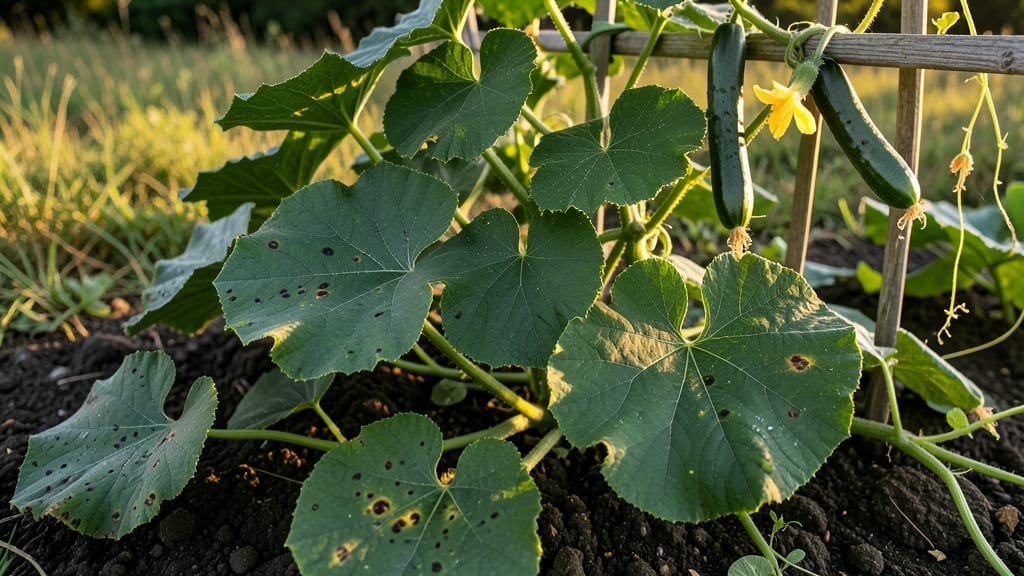
Those yellow, greasy spots on cucumber leaves aren’t just ugly—they’re stealing your harvest. 🌱 I’ve battled fungal blight in my own garden, and neem oil isn’t just a quick fix—it’s the game-changer that stops the spread within 24 hours while keeping your plants safe for eating.
The culprit is usually powdery mildew or bacterial spot, thriving in humid conditions where leaves stay wet too long. Spots start small, turn greasy or powdery, and spread like wildfire if you ignore them.
The good news? Neem oil disrupts fungal growth without harsh chemicals, and it works even on organic gardens.
By tomorrow morning, you’ll see fresh growth pushing through, and within a week, your vines will be back to producing crisp, disease-free cucumbers. The key is acting fast—prune affected leaves, spray at dusk, and repeat every 5-7 days until new growth stays spot-free.
This method works for all cucurbits—zucchini, melons, and squash too—so you can save your entire garden with one simple spray. Let’s get those leaves clean and your harvest back on track!
Underlying Causes of Leaf Spots
Spots on cucumber leaves aren’t just a cosmetic annoyance—they’re often a cry for help from your plants. Understanding the root causes is the first step to saving your crop. Below, we break down the most common culprits behind those unsightly blemishes, from microscopic invaders to environmental stressors.
Fungi are the #1 reason for leaf spots in cucumbers, thriving in warm, humid conditions. Here’s how they strike:
- Powdery Mildew (Podosphaera xanthii)
- How it spreads: Fungal spores land on leaves and form a white, powdery coating. Over time, this blocks sunlight and causes yellow-brown spots.
- Why it happens: Poor air circulation, overcrowded plants, or excessive moisture (like morning dew) create the perfect breeding ground. 💡 Pro Tip: Fungal spores spread faster in temperatures between 70–85°F (21–29°C)—keep an eye on your garden’s humidity levels.
- Downy Mildew (Pseudoperonospora cubensis)
- How it spreads: Unlike powdery mildew, this fungus attacks the undersides of leaves, causing yellow spots that turn brown. A fuzzy, grayish growth appears on the reverse side.
- Why it happens: This pathogen loves cool, wet conditions (ideal at 60–75°F / 15–24°C). Overhead watering or nighttime dew can splash spores onto leaves.
- Bacterial Leaf Spot (Xanthomonas campestris)
- How it spreads: Tiny, water-soaked spots appear first, then turn yellow or brown with a greasy sheen. Unlike fungi, bacteria thrive in warm, rainy weather (80°F+/27°C+).
- Why it happens: Bacterial spores hitchhike on water droplets, tools, or even your hands. Once inside plant tissue, they multiply rapidly, clogging veins and causing leaf drop.
Not all leaf spots come from pathogens—some are a side effect of pest activity:
- Aphids & Spider Mites
- How they cause spots: These tiny bugs feed on sap, injecting toxins that create yellow stippling or brown necrotic spots. Heavy infestations weaken leaves, making them susceptible to secondary infections.
- Why it happens: Pests thrive in dry, dusty conditions or when plants are stressed (e.g., underwatering). They also spread faster in crowded gardens with little airflow.
- Cucumber Beetles (Diabrotica spp.)
- How they cause spots: These striped beetles chew leaves, leaving irregular, ragged holes and black, tar-like spots (from their frass/droppings). Worse, they carry bacterial wilt.
- Why it happens: Beetles are drawn to yellow flowers (like marigolds) and young, tender leaves. They’re most active in early morning or late afternoon.
Sometimes, the problem isn’t biological—it’s environmental:
- Overwatering or Poor Drainage
- How it causes spots: Waterlogged soil leads to root rot, which stresses plants and makes them vulnerable to fungal infections. Leaves may develop dark, water-soaked spots that spread rapidly.
- Why it happens: Cucumbers need consistent moisture but hate soggy roots. If your soil doesn’t drain well (clay-heavy or compacted), excess water sits at the roots, inviting fungi like Phytophthora.
- Sun Scorch or Hail Damage
- How it looks: Irregular, bleached or crispy spots with healthy green edges. Unlike fungal spots, these are dry and papery to the touch.
- Why it happens: Sudden temperature swings (e.g., hot sun after rain) or hail can burst leaf cells, leaving them vulnerable to secondary infections.
- Chemical Burn from Fertilizers or Pesticides
- How it happens: Overuse of synthetic fertilizers (especially high-nitrogen) or copper-based fungicides can cause brown, necrotic patches along leaf edges.
- Why it happens: Plants absorb more than they need, leading to salt buildup in soil or direct tissue damage from concentrated sprays.
🔍 Key Takeaway: Most leaf spots start small but escalate when conditions favor their growth. The good news? Catching them early—especially with a neem oil spray—can stop them in their tracks before they spread. Stay tuned for our next section on how to diagnose and treat these issues fast!
Quick Fixes for Leaf Spots
Spots on cucumber leaves can feel like a garden crisis, but with the right approach, you can restore your plants to full health—often faster than you think. The key is identifying the cause and taking action immediately.
Below are targeted solutions for the most common culprits behind those pesky leaf spots, along with prevention tips to keep your cucumbers thriving. Let’s turn those brown blemishes into a thing of the past!
If your cucumber leaves are covered in powdery white, yellow, or brown spots (like downy mildew or early blight), fungi are likely the culprits. These thrive in warm, humid conditions, so act fast!
🔥 Step-by-Step Treatment
- Remove Infected Leaves 🌡️
- Snip off heavily spotted leaves with clean scissors and dispose of them in the trash (not the compost). This stops the spread.
- Apply Neem Oil Spray 🍳
- Mix 1 tablespoon of neem oil with 1 teaspoon of mild liquid soap and 1 quart of water. Stir well and spray both the tops and undersides of leaves in the evening (avoid direct sunlight).
- Reapply every 5–7 days until new growth appears without spots.
- Boost with Copper Fungicide 🛡️
- For severe cases, use a copper-based fungicide (like copper sulfate) as directed on the label. This disrupts fungal spores and provides extra protection.
- Improve Airflow 🌬️
- Space plants 12–18 inches apart and prune nearby foliage to reduce humidity around leaves.
💡 Prevention Tips
- Water at the base (never overhead) to keep leaves dry.
- Rotate crops—don’t plant cucumbers in the same spot yearly.
- Use mulch (straw or grass clippings) to prevent soil-borne fungi from splashing onto leaves.
If spots are tiny, dark, and water-soaked (like bacterial leaf spot) or accompanied by chewed edges (from pests like aphids or spider mites), the fix involves both cleaning and pest control.
👨🍳 Treatment Plan
- Prune Damaged Areas ⏰
- Trim leaves with bacterial spots (black, greasy-looking) and destroy them immediately.
- Spray with Insecticidal Soap 🔪
- Mix 2 tablespoons of castile soap with 1 quart of water and spray directly on pests. Reapply every 3–4 days until pests vanish.
- Introduce Beneficial Insects 🐞
- Ladybugs and lacewings devour aphids naturally. Release them in the evening for best results.
- Clean Tools & Hands 🧼
- Sterilize pruners with rubbing alcohol between cuts to avoid spreading bacteria.
🎯 Prevention Tips
- Inspect new plants before bringing them home.
- Avoid overhead watering—it spreads bacterial spores.
- Use reflective mulch (like aluminum foil) to deter pests.
Sometimes spots aren’t from pathogens but from heat stress, nutrient deficiencies, or overwatering. Yellowing or crispy edges with spots? Let’s fix the growing conditions!
🌿 Adjustments to Make
- Check Watering Habits 💧
- Overwatering? Let soil dry slightly between waterings. Use a moisture meter if unsure.
- Underwatering? Water deeply once a week (adjust for climate).
- Balance Nutrients 🥗
- Yellow spots with pale leaves? Add a balanced fertilizer (10-10-10) or compost.
- Brown, crispy edges? Boost potassium with banana peel tea or wood ash.
- Provide Shade ☀️
- If leaves are scorched, move plants to partial shade (especially in peak afternoon sun).
✨ Prevention Tips
- Mulch heavily to retain moisture and regulate soil temp.
- Test soil pH (ideal: 6.0–6.8 for cucumbers).
- Avoid cold drafts—cucumbers hate sudden temperature drops.
With these targeted fixes, your cucumber plants should bounce back in no time. The secret? Act fast, stay consistent, and give your plants the right conditions. Soon, you’ll be harvesting crisp, spot-free cucumbers instead of battling leaf spots! 🥒✨
Frequently asked questions about cucumber leaf spots
Why do my cucumber leaves get spots even when I water them at the base?
Base watering helps, but spots often appear from fungal spores already present in your garden. Humidity from morning dew or poor airflow between plants creates perfect conditions for powdery mildew or downy mildew to take hold. Even with proper watering, spores can land on leaves and start spreading within 24 hours.
Can I still eat cucumbers if the leaves have spots?
It depends on the cause! If spots are from fungal diseases (like powdery mildew), the fruit itself is usually safe to eat. However, if spots are from bacterial leaf spot or chemical burns, the bacteria or residue might contaminate the cucumbers. Always wash produce thoroughly, and avoid eating cucumbers from heavily infected plants.
How do I tell if spots are from pests or disease?
Check the leaf texture and pattern: Pest damage often has irregular holes or yellow stippling (from aphids/spider mites), while disease spots are usually uniform in shape (e.g., greasy brown for bacterial spot or powdery white for mildew). Look for pests on leaf undersides or chewed edges—those are clear pest signs!
Will neem oil work if my cucumber plants already have large spots?
Neem oil helps stop the spread but won’t reverse severe damage. For existing spots, prune affected leaves immediately and apply neem oil every 5-7 days to protect new growth. Combine it with improving airflow and avoiding overhead watering for best results. Severe cases may need copper fungicide for faster recovery.
Can I use vinegar spray instead of neem oil for leaf spots?
White vinegar can help as a fungicide, but it’s less effective than neem oil and may burn leaves if too concentrated. Mix 1 tablespoon vinegar + 1 teaspoon baking soda + 1 quart water, but test on a small leaf first. Neem oil is safer for long-term use and works on both fungi and pests without harming plants.