
Light Requirements
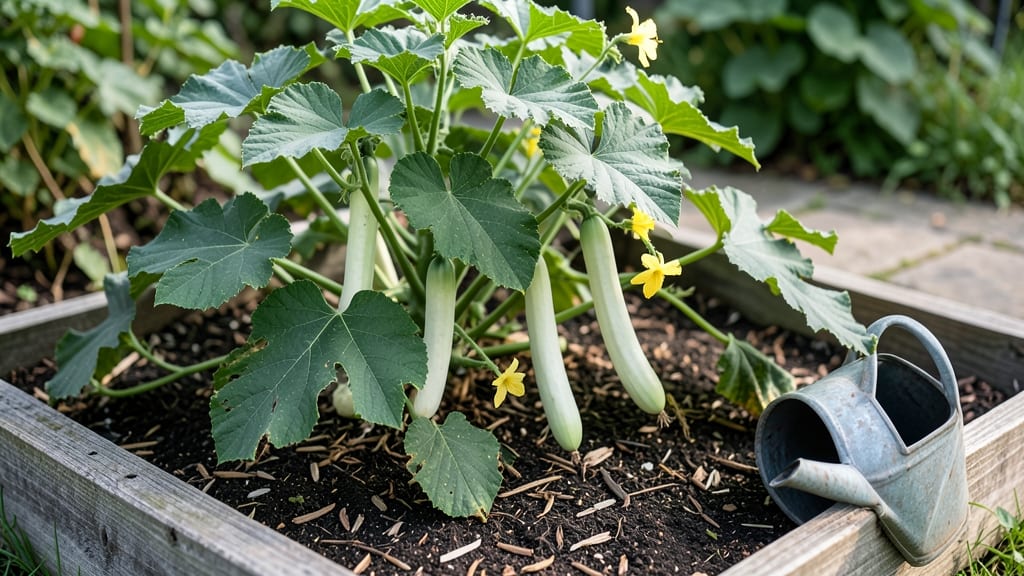
Growing light-colored cucumbers unlocks a crisp, mild flavor that traditional green varieties can’t match. 🌱 I’ve grown both types, and these pale beauties—ranging from creamy white to pale green—stay cooler in summer heat while delivering a sweeter bite.
The secret lies in choosing cool-season varieties like ‘White Wonder’ or ‘Lemon Cucumber,’ which thrive in slightly lower temperatures than their green cousins.
These cucumbers need the same rich, well-draining soil as regular types, but they’re more forgiving about sunlight—partial shade works better in hot climates. Water consistently (about 1 inch per week) to prevent bitterness, and trellis them to improve air circulation.
The payoff? A harvest that’s sweeter, crunchier, and less seedy than standard cucumbers, perfect for slicing or pickling.
Pests like cucumber beetles still target them, but light-colored varieties often resist powdery mildew better than dark green ones. I’ve found that mulching with straw and rotating crops yearly keeps issues minimal. The flavor difference alone makes the extra care worthwhile—imagine a cucumber salad with zero bitterness!
Great for gardeners in cooler zones or those who love unique textures. Start seeds indoors 4-6 weeks before last frost, then transplant when soil hits 60°F. These cucumbers mature faster than heirlooms, giving you an early harvest to enjoy.
The Science Behind Pale Harvests
Understanding why your cucumbers turn out lighter in color—sometimes even pale or yellowish—starts with unpacking the biological and environmental triggers behind pigment development. Cucumbers rely on a mix of genetics, sunlight exposure, temperature, and nutrient balance to achieve their signature vibrant green hue.
When these factors misalign, you’ll end up with cucumbers that lack the crisp, deep green we love. Let’s break down the key culprits:
Not all cucumber varieties are created equal when it comes to color. Some cool-season or heirloom varieties are bred to stay lighter naturally, especially if they’re designed for early harvests or shade tolerance.
For example: - Genetic mutations can reduce chlorophyll production, leading to pale stems or skin. - Hybrid cucumbers (like some slicing types) may prioritize yield over pigment intensity to meet commercial standards. - Albino or variegated cucumbers (rare but intentional) lack chlorophyll in patches, resulting in off-white or pale-green patches.
Actionable fix: If you’re growing a light-colored variety on purpose (like ‘Lemon Cucumber’ or ‘White Wonder’), embrace it! But if you’re after classic green, choose full-sun varieties like ‘Marketmore’ or ‘Straight Eight.’
Chlorophyll—the green pigment in cucumbers—requires sunlight to thrive.
Without enough light: - Weak photosynthesis slows pigment production, leaving cucumbers washed-out or yellowish. - Stunted growth (from shade or overcrowding) forces the plant to prioritize survival over color. - Indoor or greenhouse growing with low light spectrum (like fluorescent bulbs) can’t replicate natural sunlight’s blue and red wavelengths, which are critical for chlorophyll synthesis.
Actionable fix:
- Position plants in 6+ hours of direct sunlight (south-facing is ideal in the Northern Hemisphere).
- Use reflective surfaces (like white mulch or mirrors) to bounce light onto shaded vines.
- Supplement with grow lights (full-spectrum LEDs) if outdoor light is limited.
Cucumbers are cool-season crops, but too much chill (below 50°F/10°C) or heat stress (above 90°F/32°C) can disrupt pigment development:
- Cold snaps slow enzyme activity, leading to pale, rubbery cucumbers with poor color retention.
- Heat stress causes sunburn (white/yellow patches) or aborted flower development, resulting in small, underdeveloped fruits.
- Nighttime temperatures matter too—consistent cool nights (below 60°F/15°C) can delay ripening and dull color.
Actionable fix:
- Choose heat-tolerant varieties like ‘Straight Eight’ or ‘Armenian’ for hot climates.
- Use row covers in spring/fall to buffer temperature swings.
- Water deeply in the morning to cool roots and reduce heat stress.
Cucumbers need a precise nutrient mix for vibrant green skin.
Deficiencies or excesses in key elements can turn them pale: - Nitrogen (N) overload → Lush foliage but pale, weak cucumbers (plant focuses on leaves, not fruit pigment). - Magnesium (Mg) deficiency → Yellowing between veins (chlorosis), making cucumbers look sickly. - Iron (Fe) or manganese (Mn) shortages → Pale, yellow patches (common in alkaline soils). - Calcium (Ca) deficiency → Blossom-end rot (dark spots) and poor cell wall strength, leading to soft, pale tissue.
Actionable fix:
- Test your soil (pH 6.0–6.8 is ideal for cucumbers).
- Balance fertilizers: Use a low-nitrogen, high-potassium feed (like 5-10-10) during fruiting.
- Add compost or Epsom salt (for magnesium) if leaves show yellowing.
Water stress—whether drought or overwatering—can sabotage cucumber color:
- Underwatering → Stunted growth and pale, tough skin (plant conserves energy, reducing chlorophyll).
- Overwatering → Root rot or nutrient leaching, leading to weak, discolored cucumbers.
- Inconsistent moisture → Uneven ripening, with some fruits staying pale while others overripen.
Actionable fix:
- Water deeply 1–2 times per week (1–1.5 inches total), focusing on roots, not leaves.
- Use drip irrigation to keep soil evenly moist without waterlogging.
- Mulch heavily to retain moisture and regulate temperature.
Physical damage from pests or pathogens can disrupt cell function, leading to pale or patchy cucumbers:
- Powdery mildew (white fungal coating) blocks sunlight, causing yellowing.
- Aphids or spider mites sap-suck leaves, reducing chlorophyll production.
- Cucumber beetles transmit bacterial wilt, causing yellowing and wilting before fruits even form.
Actionable fix:
- Inspect plants weekly for pests (especially undersides of leaves).
- Spray neem oil or insecticidal soap at the first sign of infestation.
- Rotate crops to prevent soil-borne diseases.
Pro Tip: 💡 Keep a growing journal! Track sunlight, temps, and fertilizers to spot patterns—your pale cucumbers might be screaming for a specific fix.
Reviving Pale Cucumbers Naturally
If your cucumbers are growing but lack their usual vibrant green hue, don’t panic—there are simple, effective ways to restore their color and ensure a crisp, flavorful harvest. Below, we’ve mapped out practical fixes for the most common causes, along with prevention tips to keep your plants thriving.
Cause: Light-colored cucumbers often signal a deficiency in nitrogen, magnesium, or iron, which are essential for chlorophyll production.
How to Fix It:
- Test Your Soil 🧪 Grab a soil test kit (or send a sample to your local extension office) to check pH and nutrient levels. Cucumbers thrive in slightly acidic to neutral soil (pH 6.0–6.8).
- Amend with Organic Matter 🍃 Mix in compost, worm castings, or aged manure (like cow or chicken manure) to boost organic nutrients. Aim for 2–3 inches of compost worked into the top 6–12 inches of soil before planting.
- Targeted Fertilizer Boost 💊
- Nitrogen deficiency? Use a balanced fertilizer (10-10-10) or fish emulsion every 2–3 weeks.
- Magnesium/iron deficiency? Sprinkle Epsom salt (magnesium sulfate) around the base of plants (1 tablespoon per foot of plant height) or apply a chelated iron supplement if leaves show yellowing between veins.
- Foliar Feed for Quick Results 🌿 Mix 1 teaspoon of liquid seaweed or fish emulsion in a gallon of water and spray directly on leaves (early morning or late evening). This delivers nutrients fast through the foliage.
Prevention Tip: 💡 Rotate crops every 2–3 years to avoid nutrient depletion. Plant cucumbers after legumes (like beans or peas), which naturally enrich the soil with nitrogen.
Cause: Pale cucumbers can also result from shade stress, where plants don’t get enough 6–8 hours of direct sunlight daily.
How to Fix It:
- Relocate or Prune 🌳
- If growing in containers, move them to a sunnier spot (south-facing is ideal in the Northern Hemisphere).
- Prune nearby trees or tall plants blocking sunlight.
- Use Reflective Surfaces 🔄 Place white reflective mulch (like aluminum foil or reflective fabric) around the base of plants to bounce extra light onto leaves.
- Choose Dwarf or Bush Varieties 🌱 If space is limited, opt for compact varieties like ‘Bush Champion’ or ‘Spacemaster,’ which tolerate partial shade better than vining types.
Prevention Tip: 🌡️ Plant in spring or early fall when days are longer and sunlight is more abundant. Avoid planting in late summer when shade from taller plants peaks.
Cause: Waterlogged soil or inconsistent moisture can dilute nutrient uptake, leading to pale, weak growth.
How to Fix It:
- Check Drainage 🚰 Ensure pots or garden beds have drainage holes and avoid planting in low-lying areas where water pools. Amend clay soil with perlite or sand to improve aeration.
- Water Deeply but Less Often 💦
- Morning watering (6–8 AM) is best to reduce evaporation and fungal risks.
- Water at the base (not leaves) and aim for 1–1.5 inches per week, adjusting for rain.
- Mulch to Retain Moisture 🌿 Apply straw or shredded leaves around plants to keep soil evenly moist and cool.
Prevention Tip: 🎯 Use a moisture meter to monitor soil dampness—cucumbers hate soggy roots but also suffer from drought stress.
Cause: Pests (like aphids or spider mites) or diseases (e.g., powdery mildew) sap nutrients from plants, causing pale, stunted growth.
How to Fix It:
- Inspect Leaves Daily 🔍 Look for holes, webbing, or white powdery spots. Act fast—pests spread quickly!
- Natural Pest Control 🚫🐜
- Aphids? Spray with soapy water (1 tsp mild soap + 1 quart water) or introduce ladybugs.
- Spider mites? Blast off with a strong hose or use neem oil spray (1 tbsp neem oil + 1 quart water + drop of dish soap).
- Improve Air Circulation 🌬️ Space plants 12–24 inches apart (or use trellises for vining types) to reduce humidity and fungal growth.
Prevention Tip: ✨ Rotate crops and remove diseased plants immediately to prevent spread. Use copper fungicide as a preventive spray in humid climates.
Pale cucumbers can also result from over-mature fruits draining plant energy. Harvest regularly (every 2–3 days) to encourage new, vibrant growth. If cucumbers turn yellow or bitter, pick them immediately—they’re sapping nutrients from the plant!
By tackling the root cause (literally!) with these easy, science-backed fixes, your cucumbers will bounce back with bright green, crisp, and delicious results in no time. Happy growing! 🥒✨
Frequently asked questions
What are the best light-colored cucumber varieties for beginners?
Start with ‘White Wonder’ for creamy white cucumbers or ‘Lemon Cucumber’ for pale green, lemon-shaped varieties. Both are disease-resistant and thrive in partial shade, making them perfect for cooler climates or containers. ‘Bush Champion’ is another great choice—it’s compact and produces pale green fruits without needing a trellis.
Can light-colored cucumbers grow in containers?
Choose bush varieties like ‘Spacemaster’ or ‘Patio Snacker’—they stay small and produce pale green or white cucumbers in 5-gallon containers. Use a lightweight potting mix with compost, and place the container in full sun to partial shade. Just ensure the pot has drainage holes to prevent root rot.
Why do my light-colored cucumbers taste bitter?
Bitterness in pale cucumbers usually comes from overmaturity or heat stress. Harvest them when small (under 6 inches) for the sweetest flavor. If grown in hot climates, provide afternoon shade and mulch heavily to keep roots cool. Varieties like ‘Armenian’ or ‘Lemon Cucumber’ are naturally sweeter and less prone to bitterness.
Do light-colored cucumbers need less sunlight than green ones?
Not necessarily! While some pale varieties tolerate partial shade, they still need 6+ hours of sunlight daily for optimal growth. Cool-season types like ‘White Wonder’ can handle morning sun + afternoon shade, but avoid deep shade—it weakens vines and reduces yield. Use reflective mulch to boost light exposure if your garden is shady.
How do I store harvested light-colored cucumbers?
Store them in the fridge for up to 1 week in a paper towel-lined container to absorb moisture and prevent spoilage. Unlike green cucumbers, pale varieties are more delicate—avoid washing until ready to eat. For longer storage, pickle them! Their mild flavor makes them perfect for quick pickles or refreshing salads.