
Plants
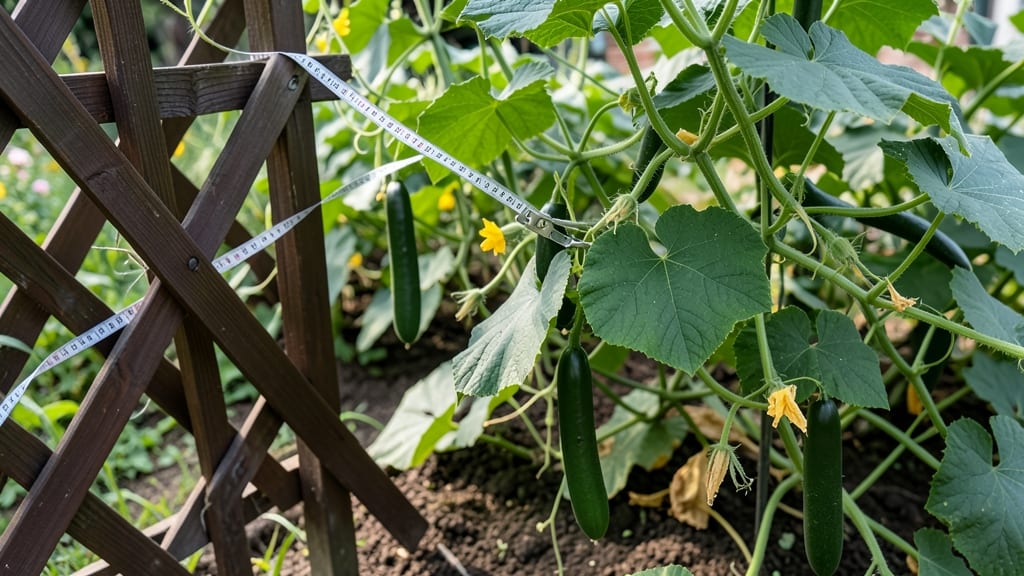
Cucumber plants can grow up to 10 feet tall when given the right conditions and support, turning your garden into a jungle of 🥒 vines if you're not careful.
Picture this: a sprawling cucumber plant that stretches across your patio, smothering nearby herbs and threatening to take over the fence. Without proper guidance, some varieties can reach heights that make even the most enthusiastic gardener reconsider their space planning.
But here’s the good news: not all cucumbers are created equal. Bush varieties stay compact, while vining types need trellises to reach their full potential. Knowing the differences can save you from a backyard takeover—and help you maximize your harvest.
In this guide, I’ll break down the height ranges by variety, how to control growth with trellising and pruning, and why some cucumbers grow like they’re competing in the NBA. Let’s get your garden organized!


Cucumber plant height by variety: from compact to towering vines
When planning your garden, cucumber plant height can make or break your space strategy. Some varieties stay neatly under 3 feet, while others can climb 20 feet or more without proper support. The difference comes down to genetics—whether the plant is determinate (bush) or indeterminate (vining).
Determinate types stop growing once they reach maturity, while indeterminate types keep climbing until frost. Knowing these differences helps you choose the right variety for your garden layout.
For small spaces or containers, bush cucumbers are the best choice. These compact plants stay between 2 and 4 feet tall and produce all their fruit at once.
On the other end of the spectrum, vining cucumbers can stretch 10 to 20 feet if left unchecked, making them ideal for trellises or large garden beds. The key is matching your variety to your available space and support system.
| Variety | Growth Habit | Max Height | Best For |
|---|---|---|---|
| Bush Champion | Determinate | 2-3 ft | Containers, small gardens |
| Straight Eight | Indeterminate | 10-15 ft | Trellises, large gardens |
| Armenian | Indeterminate | 15-20 ft | Vertical gardens, fences |
| Spacemaster | Determinate | 3-4 ft | Small spaces, balconies |
| Marketmore 76 | Indeterminate | 8-12 ft | Trellises, greenhouses |
If you're working with limited garden space, prioritize determinate varieties like Bush Champion or Spacemaster. These stay compact and produce fruit all at once, making them perfect for containers or small raised beds.
For larger gardens or vertical gardening, indeterminate types like Straight Eight or Armenian thrive when given a trellis or fence to climb. Their vines can reach 15 to 20 feet, but proper support keeps them organized and maximizes your harvest.
Genetics play a huge role in cucumber vine length. Indeterminate cucumbers grow continuously until frost, while determinate varieties set all their fruit at once and then stop growing. This difference affects not just height but also harvest timing and yield distribution.
For example, Armenian cucumbers produce long, snake-like fruits along their towering vines, while bush types focus energy on a single, concentrated harvest. Choose based on your garden goals—continuous picking or one big harvest.
For urban gardeners or those with balcony spaces, dwarf varieties like Bush Champion are game-changers. These stay under 3 feet tall and fit perfectly in 5-gallon containers. Even in tight spaces, you can grow enough cucumbers for a family of four.
Meanwhile, vining types like Straight Eight shine in vertical gardens, where their long vines can be trained up a trellis or wire cage. This not only saves space but also improves air circulation, reducing the risk of disease.
One common mistake is assuming all cucumbers need full ground space. In reality, most varieties benefit from vertical support, even bush types. A
How to control cucumber plant height: trellising, pruning, and space-saving tips
Cucumber vines can quickly become unruly if left unchecked, but with the right techniques, you can control their height and maximize your garden space. Whether you're dealing with a 10-foot monster vine or a compact 3-foot bush, understanding trellising and pruning will transform your harvest.
I’ve learned that vertical growth not only saves space but also improves air circulation, reducing disease risks. Let’s dive into the best methods to keep your cucumbers in check.
First, choose the right trellis type for your cucumber variety. Vertical trellises work best for tall, vining types like 'Straight Eight,' while horizontal trellises or cages suit bush varieties like 'Bush Champion.' My go-to is a sturdy 6-foot tall trellis made from bamboo stakes and twine—it’s affordable and effective.
For small gardens, consider wall-mounted trellises or even repurposed ladders covered with netting. The key is to provide support early, as cucumbers send out tendrils within days of planting.
⚠️ WARNING: Overlooking Trellis Height Can Lead to Broken Vines ⚠️
Pruning is another game-changer for managing cucumber height. For bushier growth, pinch off the main stem’s tip when it reaches 3-4 feet. This encourages lateral branches to form, creating a denser plant with more fruit.
I also remove suckers—those small shoots that grow in the leaf axils—unless you’re growing a heirloom variety that benefits from extra vines. Regular pruning improves airflow and directs energy toward fruit production rather than excessive vine growth. Just be sure to use sterilized pruners to prevent disease spread.
Space-saving hacks are a must for small gardens or container growing. Try interplanting cucumbers with shallow-rooted companions like radishes or lettuce, which thrive in the cucumbers’ early shade. Another trick? Use vertical pockets in raised beds or hanging fabric grow bags lined with coconut coir.
These methods let you grow cucumbers in tight spaces while keeping vines contained. For containers, choose compact varieties like 'Spacemaster' or 'Sweet Success,' which max out at 4-5 feet tall.
Common mistakes often lead to unruly vines. I’ve seen gardeners wait too long to trellis, forcing the plant to struggle with its own weight. Others overcrowd plants, thinking more seeds mean more cucumbers—this actually reduces yield by competing for nutrients.
Always space seeds 12-24 inches apart and thin seedlings to the strongest 2-3 plants per trellis. Another pitfall? Overwatering can weaken stems, making them more prone to snapping. Stick to deep, infrequent watering to build strong roots.
With these tips, you’ll keep your cucumbers productive and contained while enjoying a bountiful harvest. Whether you’re a seasoned gardener or a beginner, controlling vine height is all about planning ahead and staying proactive.
Try a mix of trellising, pruning, and space-saving tricks to find what works best for your garden layout. Happy growing! 🌱