
Vegetables
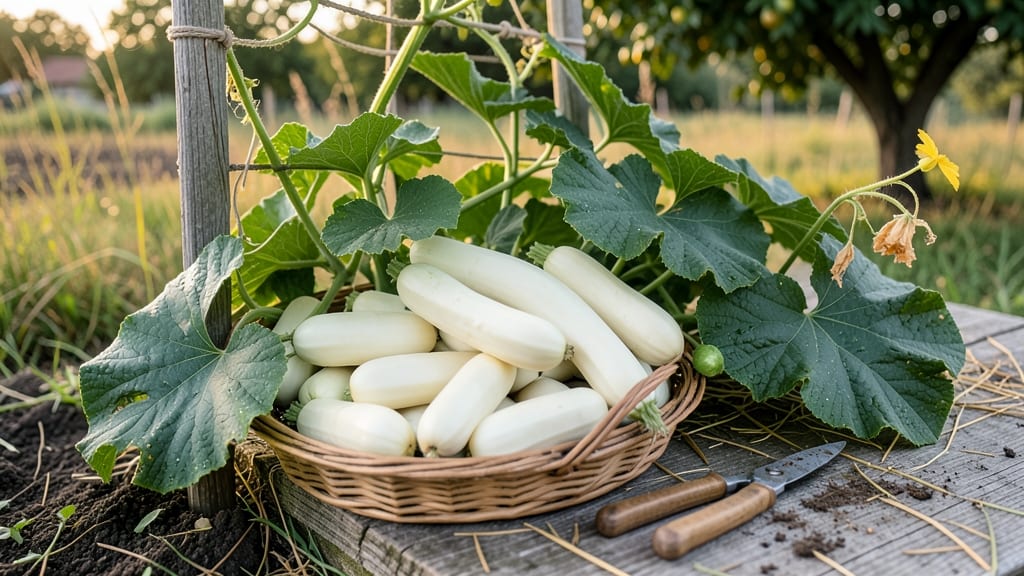
White cucumbers are safe to eat when grown properly, but conventional farming can introduce pesticide risks. Always wash them thoroughly, opt for organic when available, and discard any that appear bitter or discolored to maintain safety.
White cucumbers are safe to eat when grown properly, but conventional farming can introduce pesticide risks. Always wash them thoroughly, opt for organic when available, and discard any that appear bitter or discolored to maintain safety.
These pale cucumbers often lack chlorophyll due to nutrient deficiencies or disease, which can make them more vulnerable to pesticide buildup during cultivation. 🌱 I always recommend rinsing them under cool running water for at least 30 seconds while gently scrubbing with a clean vegetable brush.
For extra protection, soaking in a 1% vinegar solution for 10-15 minutes helps break down surface contaminants before rinsing again.
When selecting white cucumbers, prioritize firmness and vibrant (even if pale) skin—avoid any with soft spots or yellowing. Organic varieties typically undergo stricter growing standards, reducing pesticide exposure. If you're unsure about quality, peeling the skin can help minimize residue, though it also removes some nutrients.
💡 In This Article
- Why White Cucumbers Turn Pale and Pesticide Risks
- How to Select and Prepare Safe White Cucumbers
Why white cucumbers turn pale and pesticide risks
The pale color of white cucumbers stems from a lack of chlorophyll, which typically gives green cucumbers their vibrant hue. This occurs when cucumbers are grown in conditions lacking sufficient sunlight or nutrients like magnesium, which is essential for chlorophyll production.
Without this pigment, the cucumbers develop a white or pale green appearance. 🌱 Interestingly, these nutrient deficiencies can also weaken the plant's natural defenses, making them more susceptible to pests and diseases during cultivation.
Conventional farming practices often accelerate this vulnerability. Farmers may apply synthetic fertilizers to boost growth, but these can deplete soil nutrients over time, leading to weaker plants. To combat pests and diseases, conventional growers frequently use broad-spectrum pesticides, which can accumulate on the cucumbers' surfaces.
Studies show that non-organic produce can contain up to 10 times more pesticide residue than organic counterparts, particularly when grown in nutrient-poor soils where plants are stressed.
The science behind pesticide absorption is straightforward: stressed plants with thinner skins (common in pale cucumbers) absorb and retain more chemicals. For example, a 2019 study by the Environmental Working Group found that cucumbers ranked among the top five produce items with the highest pesticide residues.
The thinner skin of white cucumbers offers less of a protective barrier, allowing pesticides to penetrate more easily compared to their thicker-skinned green counterparts.
Another critical factor is the cucumber's natural waxy coating, which helps repel water and pests. When this coating is compromised—often due to nutrient deficiencies or disease—pesticides adhere more tightly to the surface.
This is why organic white cucumbers, grown with natural pest controls and nutrient-rich compost, often have significantly lower residue levels. The key takeaway? The paler the cucumber, the more vigilant you should be about washing and potentially choosing organic options.
Beyond pesticides, white cucumbers may also harbor higher levels of certain natural toxins if grown under stress. For instance, cucurbitacins—bitter compounds produced by cucumbers under stress—can accumulate in pale varieties.
While these compounds are generally safe in small amounts, excessive bitterness is a red flag that the cucumber may be compromised. Always taste a small piece before consuming; if it's bitter, discard it to avoid potential digestive discomfort.
What most people don't realize is how storage conditions can further concentrate pesticide residues. Storing cucumbers in plastic bags or refrigerators with high humidity can cause the skin to soften, making it easier for contaminants to penetrate deeper into the flesh.
To mitigate this, store white cucumbers in a perforated plastic bag in the crisper drawer of your fridge, where the temperature stays around 45-50°F—this slows down the breakdown of the waxy coating and keeps pesticides from seeping in further.