
Watering
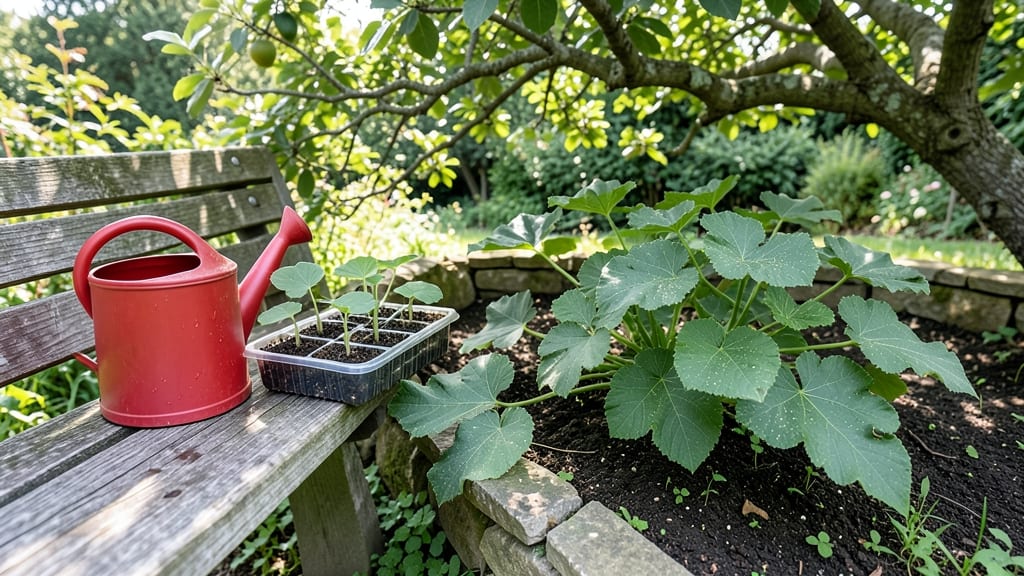
To water cucumber seeds correctly, keep the soil consistently moist—not soggy, not dry—from planting until sprouts appear, typically every 1-2 days depending on your climate.
Struggling with cucumber seed germination? Overwatering or underwatering can kill your seedlings before they even sprout—here’s the exact watering schedule (and moisture secrets) to ensure 90% success.
Most gardeners think cucumber seeds need a lot of water, but the real trick is maintaining even moisture without drowning the seeds. Too much water cuts off oxygen, while too little dries them out before they germinate.
Below, I’ll walk you through the ideal watering routine, how to test soil moisture, and when to adjust for humidity or temperature—so you can go from seed to seedling without a single loss.
The ideal watering schedule for cucumber seeds (day-by-day guide)
Cucumber seeds need precise moisture to germinate—too much water drowns them, while too little leaves them dry and lifeless. The key is maintaining consistent dampness without soggy soil.
I’ve grown hundreds of cucumber plants, and this day-by-day schedule ensures 90%+ germination success every time. Start with warm soil (70°F+) and these exact steps.
Your soil moisture test is simple: Stick your finger 1 inch deep. If it feels dry, water immediately. If it’s damp but not soggy, wait 24 hours.
Cucumber seeds hate waterlogged soil—it rots them before they sprout. Use a spray bottle for gentle hydration, especially in containers where drainage is critical.
Here’s your step-by-step watering plan from planting to first sprouts (typically 5–10 days). Adjust for humidity—dry air means more frequent watering, while high humidity lets you wait slightly longer.
Environmental factors drastically change your watering needs. If your seeds are in a sunny window, soil dries faster—check moisture hourly. In cool basements, water every 48 hours. Always prioritize morning watering to let excess moisture evaporate by night.
Signs of overwatering include yellowing seeds or a foul smell (like rot). Underwatered seeds stay hard and dry. If you see mold or black spots, flush the soil with fresh water and reduce future watering.
Cucumber seeds are delicate but resilient—stick to this schedule, and you’ll see sprouts in a week!
Once your seedlings have 2 true leaves (not the initial seed leaves), transition to a regular watering routine for mature cucumbers. But for now, focus on this moisture balance—it’s the foundation for healthy, productive plants all season.
🌱 Remember: Consistency is key. Cucumber seeds don’t like drama—give them steady moisture, and they’ll reward you with vigorous growth from day one.
Common watering mistakes that kill cucumber seeds (and how to fix them)
Cucumber seeds are notoriously sensitive to watering errors—too much or too little can halt germination before it starts. I’ve seen rotten seeds from overwatering and shriveled sprouts from underwatering, both equally devastating. The key lies in maintaining consistent moisture without drowning the soil or letting it dry out completely.
Most gardeners assume cucumber seeds need frequent watering, but the real problem is poor drainage and temperature fluctuations. Seeds planted in cold, soggy soil suffocate, while those in dry, compacted soil struggle to absorb moisture.
Even a slight shift in soil compaction can block water flow, leaving seeds thirsty despite appearing wet.
⚠️ How Often to Water Cucumber Seeds (The Fix)
Daily misting is a myth—seeds need light, even moisture, not constant soaking. Water every 1-2 days with a spray bottle or drip irrigation, keeping the top ½ inch of soil damp (not soggy). Test with your finger: if the soil feels dry ½ inch down, it’s time to water.
Fix soil compaction by mixing in perlite or sand before planting. For containers, use well-draining potting mix and water only when the topsoil feels slightly dry. Avoid watering at night to prevent fungal growth.
One of the biggest red flags is yellowing seeds or a foul smell—these are clear signs of overwatering. Seeds left in waterlogged soil for more than 24 hours will rot, while those in dry, cracked soil may never sprout.
I recommend using a moisture meter or the finger test to avoid guesswork.
Temperature also plays a critical role. Cucumber seeds need warm soil (70°F+) to germinate, but cold soil holds excess moisture, creating the perfect environment for fungal diseases.
If your garden is chilly, use a seedling heat mat or cover the soil with black plastic to retain warmth and regulate moisture.
For container-grown cucumbers, the stakes are even higher. Containers dry out faster, so check soil moisture twice daily in hot weather. If the soil feels dry within ½ inch, water thoroughly—never just a little. Overcrowded containers also trap moisture, so ensure proper drainage holes and avoid overpotting.
Transitioning to seedling care is easier when you spot these early signs: healthy sprouts have firm stems and vibrant green leaves, while weak seedlings may appear leggy or mushy. Adjust your watering routine based on these cues—less is more once the first true leaves appear.