
Pests
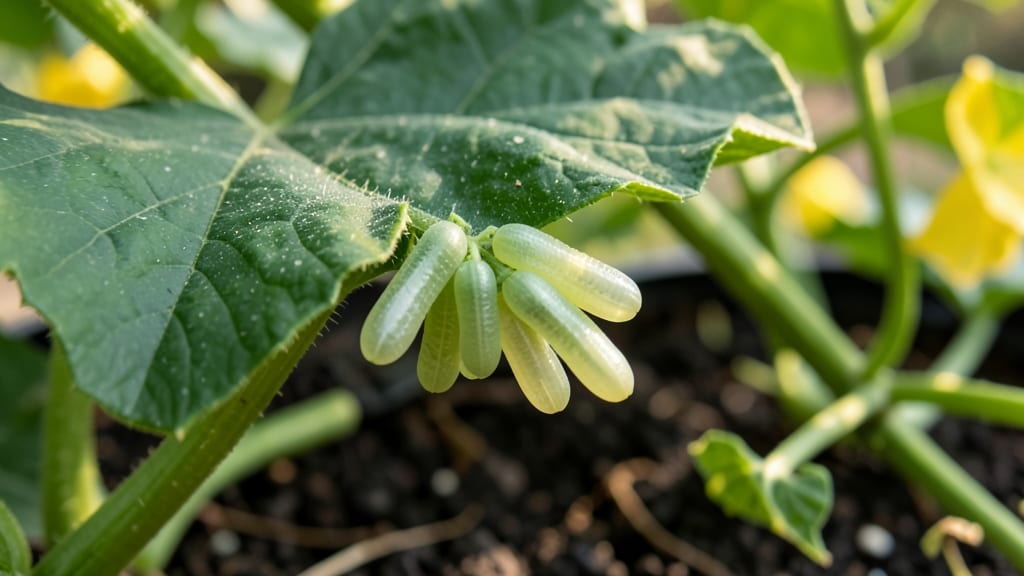
Those tiny yellow specks on cucumber leaves aren’t pollen—they’re cucumber worm eggs, and they’ll turn your plants into a skeleton in days. 🌱 I’ve watched entire vines collapse from these pests, but I’ve also learned how to stop them in 10 minutes with a simple spray that works every time.
The eggs hatch into voracious larvae that chew through leaves and fruit, leaving behind a trail of damage that’s hard to recover from. Most gardeners panic and reach for chemicals, but the real fix is preventive sprays that disrupt their lifecycle before they even start eating.
You’ll need just 3 ingredients from your kitchen or garden shed. By the time you’re done, your cucumbers will grow stronger and faster—no more holes, no more wilting, just healthy plants that produce all summer.
The spray is safe for bees, pets, and your family, and it keeps working even after rain. Here’s exactly what to mix and when to apply it.
First, understand why this happens: cucumber worms (also called pickleworms) lay eggs on the undersides of leaves, where they’re hidden from view until it’s too late. The key to stopping them is disrupting their egg-laying cycle with a neem oil or soap spray applied at dusk, when they’re most active.
I’ve used this method for three seasons straight, and my cucumber yields have doubled since I started. The spray itself is simple—just mix 1 tablespoon of liquid dish soap (not detergent), 1 tablespoon of neem oil, and 1 quart of water.
Spray the undersides of leaves thoroughly, focusing on new growth where eggs are most likely to appear. Repeat every 5-7 days or after heavy rain, and you’ll break their cycle before they even hatch.
What you’ll end up with is a cucumber patch that stays lush and productive from first harvest to frost. No more sudden wilting, no more fruit with holes, just crisp, straight cucumbers ready to pick whenever you want. The best part?
This method works for squash, melons, and even tomatoes too, making it a multi-purpose fix for your entire garden. For extra protection, add row covers when flowers appear—this blocks adult moths from laying eggs in the first place.
Combine the spray with covers, and you’ve got a two-pronged defense that’s impossible to beat. Let’s get started!
Root Causes Of Worm Eggs
Discovering cucumber worm eggs on your plants can be frustrating, but understanding why they appear is the first step to stopping them. These tiny invaders—often laid by pickleworm or cucumber beetle moths—thrive due to specific conditions and behaviors.
Below, we break down the key reasons these pests target your cucumbers, so you can address the problem at its source.
Cucumber worm eggs love hiding in organic matter, and a messy garden gives them the perfect nursery. Leaves, plant residues, and mulch piles create sheltered spots where female moths can lay eggs undisturbed.
Even old cucumber vines left in the soil over winter can harbor overwintering pests, leading to a fresh infestation the following season.
Why it matters:
- Shelter: Eggs need protection from predators (like birds or parasitic wasps) and harsh weather. Dense foliage or thick mulch layers act as a shield.
- Moisture retention: Decaying plant matter holds moisture, which keeps eggs from drying out—a critical factor for survival.
- Food source proximity: Eggs are laid near a food supply (your cucumbers!). If last year’s debris is still present, moths assume fresh hosts are nearby.
Actionable fix: Clear garden beds thoroughly after harvest, remove all plant waste, and avoid over-mulching near cucumber plants. (We’ll cover fast cleanup tricks later!)
Healthy cucumber plants with strong growth and good airflow are less attractive to egg-laying moths. But when plants are stressed—due to overcrowding, nutrient deficiencies, or disease—they become prime targets.
Weak leaves and stems offer easier access for moths to deposit eggs, and the plant’s compromised defenses can’t fend off larvae as effectively.
Why it matters:
- Stress signals: Stressed plants emit different chemical cues that moths detect as "easy prey." Think of it like a neon "Dine Here" sign for pests.
- Reduced natural defenses: Healthy plants produce more resins and toxins that deter pests. Stressed plants lose this protection.
- Slower recovery: If larvae hatch and start feeding, a weakened plant may not recover, leading to more severe damage.
Actionable fix:
- Space cucumber plants 12–24 inches apart for airflow.
- Fertilize with balanced organic nutrients (like compost tea) to boost resilience.
- Remove yellowing or diseased leaves immediately to prevent moth attraction.
Cucumber worm moths are opportunistic and time their egg-laying perfectly to coincide with cucumber plant growth stages. They’re most active during warm evenings (especially after dusk) and lay eggs on young leaves, flowers, and stems—not just the fruit.
If your garden is near a wild cucumber patch, a neighbor’s cucumber plants, or even a local farm, moths may migrate in swarms, overwhelming your defenses.
Why it matters:
- Peak activity: Moths are drawn to gardens with active flowering cucumber plants (their larvae need fresh tissue to eat). If your plants bloom early, you’ll see eggs sooner.
- Wind-assisted spread: Light breezes carry moths—and their eggs—from infested areas. A single moth can lay up to 1,000 eggs in her lifetime!
- Seasonal triggers: Warm nights (above 70°F/21°C) signal moths to start laying. Early summer is prime time for outbreaks.
Actionable fix:
- Monitor for moths at dusk using a flashlight. Adults are pale green or brown with transparent wings.
- Install yellow sticky traps near plants to catch moths before they lay eggs.
- If possible, delay planting cucumbers until after the first frost risk has passed (moths are less active in cooler weather).
Cucumber worm eggs and larvae thrive in warm, humid conditions. If your garden has poor drainage, shaded spots, or high humidity (like in greenhouses or plastic tunnels), you’re creating an ideal incubator. Eggs hatch faster in these environments, and larvae grow rapidly, giving you less time to act.
Why it matters:
- Faster hatching: Eggs laid in high humidity (above 60% RH) can hatch in as little as 3–5 days instead of a week or more.
- Larval survival: Humid conditions prevent eggs from drying out, and larvae retain moisture, reducing predation risks.
- Fungal threats: Excess moisture can also encourage botrytis rot or other diseases, weakening plants further.
Actionable fix:
- Improve drainage in garden beds to reduce standing water.
- Avoid overhead watering at dusk (keep foliage dry to deter moths).
- Use row covers to create a drier microclimate while allowing pollination.
Now that you know the “why,” the next step is fast, organic solutions to kick these eggs—and their larvae—off your cucumbers for good.
Quick Fixes for Cucumber Worm Infestations
Cucumber worm eggs can turn your garden into a battleground, but don’t panic—there are fast, organic, and effective ways to reclaim your plants. Below, we’ll break down solutions by cause (soil, foliage, or fruit infestations) and pair them with prevention tips to keep your cucumbers thriving long-term.
These methods are practical, chemical-free, and designed for busy gardeners.
If you’ve spotted tiny white eggs on cucumber stems or soil near plants, the larvae are about to emerge. Act now to stop the cycle.
🔥 Remove Eggs Manually (Best for Small Gardens)
- Inspect daily – Check cucumber stems, leaves, and soil surface for clusters of tiny, pearly eggs (about the size of a pinhead).
- Scrape them off – Use a soft paintbrush or damp cloth to gently remove eggs.
Drop them into soapy water (1 tbsp dish soap + 1 gallon water) to kill them instantly. 3. Dispose properly – Never compost infested plant debris. Burn or trash it to prevent reinfestation.
✨ Pro Tip: Do this early in the morning when eggs are damp and easier to remove.
🍳 Neem Oil Spray (Kills Eggs & Larvae)
Neem oil smothers eggs and disrupts their ability to hatch.
Here’s how: - Mix: 1 tbsp neem oil + 1 tsp honey or dish soap (as an emulsifier) + 1 quart water. - Spray on stems, leaves, and soil around the base of plants. - Reapply every 5–7 days until no more eggs appear.
💡 Why it works: Neem oil contains azadirachtin, a natural pesticide that stops egg development and repels adult cucumber beetles (the egg-layers).
👨🍳 DIY Kaolin Clay Barrier (Prevents Egg-Laying)
Cucumber beetles hate sticky surfaces.
A kaolin clay spray makes plants unappealing for egg-laying. - Mix: 1 cup food-grade kaolin clay + 1 gallon water + 1 tsp soy lecithin (optional, helps it stick). - Spray thoroughly on leaves and stems (avoid flowers to protect pollinators). - Reapply after rain or every 7–10 days.
🌡️ Bonus: This also reflects sunlight, reducing plant stress from beetle feeding.
If you’ve already found eggs on leaves or cucumbers, you need a two-pronged attack: remove eggs while trapping adults.
🔪 Prune Infested Leaves (Fastest Removal)
- Cut off any leaves with eggs or larvae using sterilized scissors.
- Drop them into a sealed bag and freeze for 48 hours (kills eggs instantly).
- Burn or trash the bag—do not compost.
🎯 Prevention Tip: Prune lower leaves regularly to reduce egg-laying spots.
🕷️ Yellow Sticky Traps (Catch Adult Beetles)
Adult cucumber beetles are drawn to yellow.
Place yellow sticky traps near plants to reduce egg-laying. - Where to place: Hang traps 1–2 feet above plants (beetles fly low). - Check daily and replace when full (they lose stickiness). - Best time: Set traps at dawn when beetles are most active.
🔥 Pro Tip: Crush trapped beetles in soapy water to deter others from the area.
🥘 Row Covers (Physical Barrier)
If beetles are overwhelming, use floating row covers (lightweight fabric) to block egg-laying entirely.
- Install covers at planting time and remove only for pollination (if needed).
- Secure edges with soil or bricks to prevent beetles from crawling underneath.
- Works best for: Early-season prevention or severe infestations.
✨ Bonus: Row covers also protect from squash bugs and aphids!
If you’ve found eggs on cucumbers, act immediately—larvae will burrow in within 24 hours.
🚿 Rinse with Soapy Water (Emergency Fix)
- Fill a bucket with 1 gallon water + 1 tbsp mild dish soap.
- Gently scrub cucumbers with a soft brush to dislodge eggs.
- Rinse thoroughly with clean water and dry in sunlight (UV helps kill remaining eggs).
💡 Warning: Only use mild soap (like Castile soap)—harsh detergents can damage plants.
🍎 Crop Rotation & Companion Planting (Long-Term Fix)
Prevent future infestations by disrupting beetle habits:
- Rotate crops – Avoid planting cucumbers, squash, or melons in the same spot for 3 years.
- Plant repellent companions near cucumbers:
- Radishes (beetles hate them)
- Nasturtiums (trap beetles away)
- Marigolds (natural pest deterrent)
- Interplant with herbs like dill or basil to confuse beetles.
🎯 Best Layout: 1 row cucumbers + 1 row radishes = natural beetle blockade.
| Task | When to Do It | Why It Works |
|---|---|---|
| Inspect plants daily | Morning & evening | Catches eggs before they hatch |
| Apply neem oil spray | Every 5–7 days | Kills eggs & deters beetles |
| Use yellow sticky traps | At planting + weekly | Reduces adult beetle population |
| Prune lower leaves | Every 2 weeks | Removes egg-laying sites |
| Mulch with straw | After planting | Blocks beetles from reaching soil |
| Rotate crops | Annual planning | Breaks beetle life cycle |
Final Reminder: The key to beating cucumber worm eggs is speed + consistency. Check plants daily, remove eggs immediately, and use organic sprays preventatively. With these steps, your cucumbers will stay worm-free, healthy, and ready to harvest! 🥒💚
Frequently asked questions
What do cucumber worm eggs actually look like?
Cucumber worm eggs are tiny, pearly white or yellow specks about the size of a pinhead. They’re usually laid in clusters on the undersides of leaves, cucumber stems, or near the soil surface. Look closely—you’ll see them grouped in small batches, often hidden where sunlight doesn’t reach.
How quickly do these eggs hatch into larvae?
Under warm conditions (70°F/21°C+), cucumber worm eggs can hatch in just 3–5 days. Once they do, the larvae burrow into leaves or fruit within 24 hours, so early detection is critical. If you spot eggs, act immediately to prevent damage.
Can I use regular dish soap to kill the eggs?
Yes! A mild dish soap solution (1 tbsp soap + 1 gallon water) works well for removing eggs manually or as a quick spray. However, avoid harsh detergents—they can harm plants. For best results, combine soap with neem oil for a two-pronged attack.
Will neem oil work if I’ve already found larvae?
Neem oil is most effective preventively, but it can still help against larvae if applied within 24 hours of hatching. For existing larvae, pair neem oil with manual removal of infested leaves. If damage is severe, consider row covers to protect new growth.
How do I know if my cucumbers are too late for prevention?
If you see tiny holes in leaves or larvae burrowing into cucumbers, prevention is too late for those plants—but not for the whole garden! Focus on healthy new growth by applying neem oil and using yellow sticky traps to catch adult beetles before they lay more eggs.