
Pests and Diseases
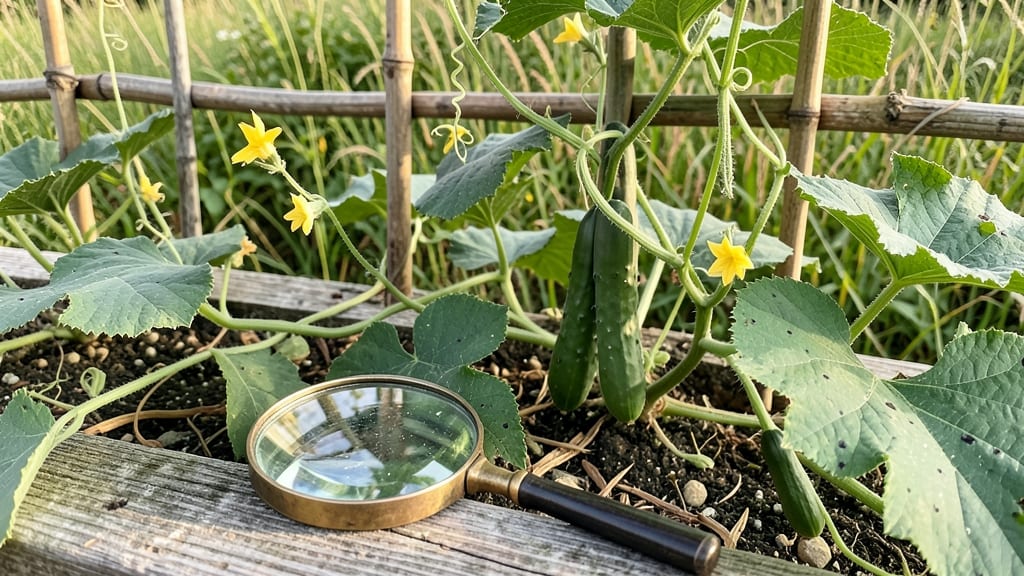
Black spots on cucumber leaves are the gardener’s worst nightmare—until you know how to stop them. 🌱 I’ve battled these ugly blemishes for years, and the difference between a thriving vine and a sad, spotted mess comes down to three simple actions that work every time.
The culprits are usually fungal infections like powdery mildew or bacterial leaf spot, but poor airflow, overwatering, or even splashing soil can turn leaves into a disease buffet. The key is catching it early—before the spots spread like wildfire and your cucumbers become a lost cause.
With the right mix of pruning, preventive sprays, and better watering habits, you’ll see fresh, healthy growth in just 7-10 days. The plants stop looking defeated and start producing again, like nothing ever happened. This works for greenhouses, raised beds, or backyard gardens—no fancy tools required.
Let’s turn those sad leaves into a thing of the past.
Understanding Leaf Spot Triggers
Black spots on cucumber leaves aren’t just unsightly—they’re a cry for help from your plants. Before you reach for a spray, it’s critical to pinpoint the root cause, as each requires a different fix.
Below, we break down the most common culprits, backed by science, so you can diagnose and treat effectively.
Fungi are the #1 cause of black spots on cucumber leaves, thriving in warm, damp conditions. These pathogens don’t just discolor leaves—they weaken your plant’s ability to photosynthesize, leading to stunted growth or even death if left unchecked.
🔬 Common Fungal Culprits & How They Strike
| Disease | How It Spreads | Key Symptoms |
|---|---|---|
| Alternaria Leaf Spot | Spores spread via wind, water, or contaminated tools. Thrives in high humidity (75%+) and temps between 77–86°F. | Dark brown/black spots with concentric rings and yellow halos. Leaves may develop gray centers as spots expand. |
| Anthracnose | Water splashes or infected plant debris. Favors consistent moisture on leaves (e.g., overhead watering). | Spots start water-soaked, then turn dark with raised edges. Often appears on lower leaves first. |
| Cercospora Leaf Spot | Spores hitchhike on wind or rain. Loves hot, humid nights (80°F+). | Small, irregular black spots with gray centers. Spots may merge, causing large dead patches. |
Why it happens: Fungal spores lie dormant in soil or old plant debris until conditions become ideal—think wet leaves + warm temps + poor airflow. Once active, they germinate and penetrate leaf tissue through natural openings (like stomata) or direct damage.
Unlike fungi, bacteria are microscopic invaders that multiply rapidly, often through wounds or splashing water. They’re harder to control but can be managed with early intervention.
🔬 Key Bacteria & Their Behavior
- Pseudomonas syringae: Causes water-soaked spots that turn brown/black with yellow edges. Thrives in cool, wet weather (50–77°F).
- Xanthomonas campestris: Produces greasy, dark spots with yellow borders. Spreads via contaminated pruning tools or wind.
Why it happens: Bacteria enter leaves through physical damage (e.g., hail, insect bites) or natural openings. They then multiply in moist conditions, clogging leaf pores and triggering necrosis (cell death). Unlike fungi, bacteria can survive in plant sap, making them harder to eradicate once established.
Not all black spots are caused by pathogens—sometimes, your cucumbers are screaming for better care. Environmental factors can mimic disease symptoms or weaken plants, making them susceptible to infections.
🔥 Top Environmental Triggers
- Overwatering or Poor Drainage: Soggy soil leads to oxygen deprivation, causing root rot and stress that manifests as dark, mushy spots on leaves.
- Sun Scorch: Intense afternoon sun (especially after rain) burns leaf edges, creating crispy, dark brown patches.
- Chemical Burn: Overuse of fertilizers (especially high-nitrogen) or harsh pesticides damages leaf tissue, turning it black.
- Extreme Temperatures: Frost or heat waves shock cells, leading to necrotic (dead) spots.
Why it happens: Plants under stress can’t regulate water or nutrients properly, leading to cell death. Dark spots form as a result of oxidative damage or nutrient deficiencies (e.g., lack of magnesium or potassium). Unlike pathogens, these spots are usually dry, crispy, or irregularly shaped.
Pests don’t just eat leaves—they create entry points for diseases. Their bites or excretions can leave behind dark, tar-like spots or weaken plants enough to trigger secondary infections.
🕷️ Common Culprits
- Aphids: Leave sticky honeydew that fosters sooty mold (a black, fuzzy fungus).
- Spider Mites: Cause stippling (tiny white/yellow dots) that darken as leaves dry out.
- Cucumber Beetles: Chew irregular holes, and their oral secretions spread bacterial wilt.
Why it happens: Pest saliva and frass (waste) contain compounds that disrupt plant cell membranes, leading to localized death. Additionally, pests spread pathogens from plant to plant, accelerating outbreaks.
Fixing Cucumber Leaf Spots Fast
Black spots on cucumber leaves don’t have to mean the end of your harvest—with the right approach, you can turn things around quickly. Below are targeted solutions for the most common causes, from fungal infections to environmental stress, along with prevention tips to keep your plants thriving. 🌱💪
Fungal spots often appear as dark, sometimes fuzzy patches with yellow halos. Act fast to stop the spread!
🔥 Step 1: Remove Infected Leaves
Prune away heavily spotted leaves immediately—don’t compost them! Toss them in the trash or burn them to prevent reinfection. Focus on leaves touching the soil or crowded areas where spores thrive.
🍳 Step 2: Apply Fungicide (Natural or Chemical)
For organic growers, mix 1 tsp baking soda + 1 quart water + a few drops of dish soap (as a spreader-sticker). Spray both sides of leaves at dawn or dusk when humidity is high. Repeat every 7–10 days.
For severe cases, use a copper-based fungicide (like Cupric Hydroxide) or a neem oil solution (2 tbsp neem oil + 1 tsp mild soap per gallon of water). Always follow label instructions!
👨🍳 Step 3: Improve Airflow & Light
Fungi love damp, shady conditions. Space plants 18–24 inches apart and prune lower leaves to boost airflow. If growing in containers, ensure pots have drainage holes. Move plants to a sunny spot (6+ hours of light/day)—fungi hate UV rays!
💡 Prevention Tips
- Water at the base (avoid overhead sprinkling—use drip irrigation or a watering can with a spout).
- Apply mulch (straw or grass clippings) to keep soil moist but prevent splashing spores onto leaves.
- Rotate crops yearly—don’t plant cucumbers or squash in the same spot for 3+ years.
- Use resistant varieties like ‘Straight Eight’ or ‘Marketmore 76’ if fungal diseases are recurrent.
Black or brown spots with crispy edges? Your cucumbers might be overheated or sunburned, especially in hot climates.
🌞 Step 1: Provide Shade Cloth
If temps exceed 90°F (32°C), drape 30–50% shade cloth over plants for a few hours a day. This prevents leaf scorch while still allowing light for photosynthesis.
💦 Step 2: Water Deeply & Frequently
Heat stress dehydrates plants fast. Water early in the morning (1–2 inches per week) and mulch heavily to retain moisture. Avoid wet leaves at night to deter fungal hitchhikers.
✨ Prevention Tips
- Choose heat-tolerant varieties like ‘Lemon Cucumber’ or ‘Armenian Cucumber.’
- Use reflective mulch (like aluminum foil or white plastic) to bounce back sunlight.
- Harvest cucumbers frequently—overripe fruit stresses the plant.
Tiny pests can cause blackened spots as they feed or leave behind sticky residue (aphids) that attracts sooty mold.
🔪 Step 1: Blast Off Pests
Spray plants with a strong stream of water to knock off aphids or mites. For stubborn infestations, mix 1 tsp insecticidal soap per quart of water and spray until leaves glisten.
🐞 Step 2: Introduce Beneficial Insects
Release ladybugs, lacewings, or predatory mites to eat aphids naturally. You can buy them online or from garden centers.
🎯 Prevention Tips
- Inspect new plants for pests before bringing them home.
- Plant companion plants like marigolds or nasturtiums to repel pests.
- Avoid broad-spectrum pesticides—they kill beneficial bugs too!
Black spots with yellow veins? Your cucumbers might be starving for key nutrients. Test your soil (a DIY kit costs ~$10) to confirm.
💪 Step 1: Feed with Epsom Salt (Magnesium)
Mix 1 tbsp Epsom salt per gallon of water and spray foliarly or water at the base. Repeat every 2 weeks. For severe deficiency, add 2–3 tbsp per plant to the soil.
🥗 Step 2: Add Potassium or Zinc
Use a balanced fertilizer (10-10-10) or a zinc sulfate solution (1 tsp per gallon). Avoid over-fertilizing—too much salt burns roots!
🌱 Prevention Tips
- Amend soil before planting with compost or worm castings for long-term nutrition.
- Use kelp meal (natural potassium source) every 4–6 weeks.
- Rotate crops to prevent nutrient depletion.
With these fixes, your cucumber plants should bounce back in 1–2 weeks. Monitor closely and adjust as needed—healthy leaves mean happy harvests! 🎉🍉
Frequently asked questions
Why do my cucumber leaves have black spots even though I water them at the base?
Even with proper watering, black spots can appear due to fungal spores already present in your soil or air. Fungi like Alternaria thrive in warm, humid conditions, so even if you avoid overhead watering, spores can spread via wind or contaminated tools. Check for yellow halos around spots—this is a classic fungal symptom.
Can I save my cucumber plant if half the leaves are covered in black spots?
It depends on the cause! For fungal infections, prune away 90% of infected leaves immediately and apply a copper fungicide. If it’s bacterial (greasy spots), you’ll need to remove the entire plant to prevent spread. With early action, plants often recover in 1-2 weeks, but severe cases may need replacement.
Will neem oil work for all types of black spots on cucumbers?
Neem oil is excellent for fungal infections (like powdery mildew) but less effective against bacterial spots. For bacteria, use a copper-based solution instead. Always test on a small leaf first—neem can cause temporary wilting if overused. Mix 2 tbsp neem oil + 1 tsp soap per gallon of water for best results.
How do I tell if black spots are from pests or disease?
Pest-related spots often have sticky residue (honeydew from aphids) or tiny holes (cucumber beetles). Disease spots usually appear as uniform dark patches with yellow borders. Check the undersides of leaves—pests leave eggs or webbing, while diseases show fungal growth. If you see both, pests are likely spreading the infection.
Can I still eat cucumbers from a plant with black spots?
Only if the spots are environmental (sun scorch, nutrient burn) and not on the fruit itself. For fungal/bacterial infections, avoid eating leaves with spots—some pathogens can transfer to edible parts. When in doubt, wash cucumbers thoroughly and harvest only from healthy vines. Organic fungicides reduce risk but don’t guarantee safety.