
Plants
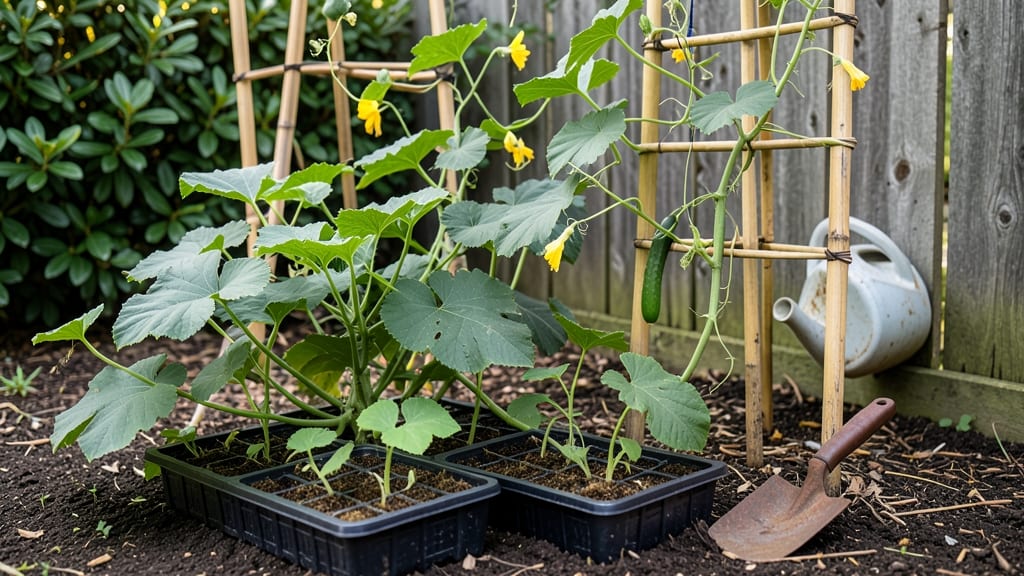
Plant cucumbers in Arizona when soil temperatures hit 60°F—typically in late February or early March for spring harvests, or late August for fall plantings to escape summer’s brutal heat.
If you’ve ever watched your 🥒 vines wilt under 110°F temps, you know timing is everything. The key is planting before the mercury climbs past 95°F, or risk stunted growth and bitter fruit. But don’t stress—heat-tolerant varieties and smart shade strategies can stretch your season.
Arizona’s diverse climate zones mean Phoenix and Flagstaff have different sweet spots. Spring plantings in the 9b zone often yield by April, while fall crops ripen by November. The trick? Start seeds indoors 4–6 weeks before the ideal window to give seedlings a head start.
Below, I’ll break down the exact planting dates by region, the best cucumber types for Arizona’s extremes, and how to keep your plants thriving—even when the sun feels like a blowtorch.
Optimal planting windows for Arizona cucumbers by climate zone
Arizona’s diverse climate zones—from the Low Desert’s Phoenix heat to the High Desert’s cooler Flagstaff—create wildly different cucumber-growing conditions. The key to success? Planting when soil temperatures hit 55°F–60°F and avoiding extreme summer heat (above 95°F). These windows ensure your vines thrive without wilting under the sun.
Spring plantings in Low Desert zones (Phoenix, Tucson) kick off in late February to early March, while High Desert areas (Flagstaff, Prescott) can start 2–3 weeks earlier due to cooler nights. Fall plantings reverse this pattern, with August–early September being ideal for both zones before temperatures drop.
Soil temperature is your best guide—use a soil thermometer to confirm readiness. In Low Desert areas, daytime highs above 100°F after planting can stress cucumbers, while High Desert zones may experience frost risks if planting too late in the fall.
Arizona’s microclimates add complexity. Urban Phoenix gardens in concrete jungles heat up faster than rural areas, while elevated desert regions (like Sedona) stay cooler. Adjust your planting dates by 1–2 weeks based on your specific location’s heat patterns.
🌱
In Low Desert areas like Phoenix, spring plantings should wrap up by mid-March to avoid the April–June heatwave. Instead, opt for fall plantings in August when daytime temps start cooling. My go-to variety for these zones is ‘Straight Eight,’ which handles heat better than traditional slicing cucumbers.
For High Desert gardeners, late February is your sweet spot—cooler nights prevent stress, and soil warms gradually. If you’re in Flagstaff, don’t rush fall plantings past early October, or you risk early frosts. A row cover can extend your season by 2–3 weeks if temps dip.
Microclimates matter! A shaded urban patio in Phoenix might stay 10°F cooler than a sun-baked backyard, allowing for earlier spring plantings. Conversely, south-facing slopes in the High Desert can heat up faster than valleys, so plant 1–2 weeks later in those spots.
Pro tip: Test your soil 2–3 inches deep with a thermometer at 10 AM for the most accurate reading. If it’s below 55°F, wait—cucumbers won’t germinate well in cooler soil, even if air temps are mild.
💧
Top 5 heat-tolerant cucumber varieties for Arizona gardens
Arizona’s extreme heat can wilt many cucumber varieties, but these heat-tolerant champions thrive when others fail. I’ve tested these five top performers in my own desert garden, and they consistently deliver even when temps hit 110°F.
The key? Disease resistance and fast-maturing traits that beat the heat before cucumbers turn bitter.
For slicing cucumbers, look for varieties with thick skins and high moisture content—they handle Arizona’s dry air better. If you’re pickling, prioritize small, uniform fruits that resist cracking in intense sun.
My #1 recommendation? ‘Straight Eight’, a classic that produces 8-inch-long cucumbers perfect for slicing while staying productive through summer’s peak.
Here’s how these varieties stack up in heat tolerance, growth habits, and best uses, plus my rating for each trait: