
Planting
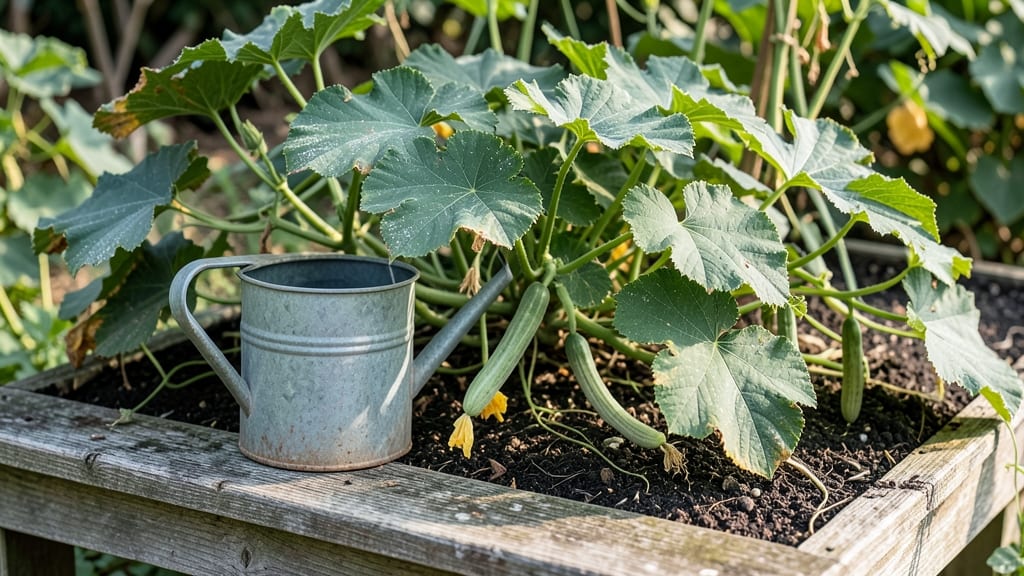
Cucumber plant issues can turn your garden dreams into a wilting nightmare—unless you know exactly how to spot and fix them. 🌱 I’ve watched my own vines go from thriving to tragic in days, but now I can tell you the telltale signs of powdery mildew, nutrient deficiencies, and even overwatering before they ruin your harvest.
The key is acting fast: most problems have simple fixes, like adjusting watering or spraying neem oil, but waiting too long means lost plants.
Yellowing leaves, stunted growth, or blossoms that drop without fruit? These are your plants’ way of screaming for help. Powdery mildew leaves white fuzz on leaves, while aphids cluster like tiny green monsters. Nutrient deficiencies show up as weak stems or pale foliage, and overwatering causes roots to rot.
The good news? Each issue has a targeted solution—no guesswork, just science-backed fixes. You’ll learn how to prune for airflow, adjust watering schedules, and even boost soil health in under an hour.
By the end, you’ll diagnose problems faster than you can say “bug spray,” and your cucumbers will reward you with crisp, productive vines all season. No more mystery wilting or sad, shriveled fruit—just a garden that actually works. Let’s get those plants back on track before it’s too late.
Whether you’re dealing with pests, diseases, or just stubborn growth problems, this guide cuts through the confusion. You’ll know when to pull out the hose, when to grab the pruners, and when to call in reinforcements (like beneficial insects or organic sprays).
The best part? Most fixes take less than 15 minutes and cost almost nothing. Let’s save your cucumbers—before they’re history.
Root causes of cucumber struggles
Understanding why your cucumber plants act up is half the battle in saving them! 🌱🔍 Cucumbers are resilient, but they’re also sensitive to environmental and care-related factors. Let’s break down the real culprits behind common cucumber plant issues—so you can address the root (literally and figuratively) of the problem.
Cucumbers thrive in consistently moist—but not soggy—soil. When roots sit in waterlogged conditions, they suffocate, leading to:
- Yellowing leaves (a sign of root rot or fungal infections like Pythium).
- Wilted vines (even when soil feels damp).
- Stunted growth due to oxygen deprivation in the roots.
Why it happens:
- Clay-heavy or compacted soil holds excess water, preventing airflow to roots.
- Overzealous watering (especially without checking soil moisture) drowns roots.
- Lack of drainage in containers or raised beds traps water at the bottom.
Actionable fix: Test soil moisture with your finger—water only when the top 1–2 inches are dry. Amend heavy soil with compost or perlite to improve drainage, and ensure pots have drainage holes.
Cucumbers are 90% water, and drought stress triggers a survival response:
- Drooping leaves (a classic sign of dehydration).
- Bitter-tasting fruit (plants produce more cucurbitacins, a bitter compound, under stress).
- Blossom-end rot (though more common in tomatoes, cucumbers can show similar calcium deficiency symptoms when roots can’t absorb nutrients efficiently).
Why it happens:
- Inconsistent watering (e.g., skipping days in hot weather).
- Shallow root systems (young plants or those in containers dry out faster).
- High temperatures (above 90°F/32°C) increase water loss through transpiration.
Actionable fix: Water deeply at the base (not overhead) in the early morning to reduce evaporation. Use mulch (straw or shredded leaves) to retain moisture and shade plants slightly during peak heat.
Cucumbers are heavy feeders, and deficiencies show up in distinct ways:
- Yellow leaves with green veins (iron or magnesium deficiency, often called interveinal chlorosis).
- Purple stems or undersides of leaves (phosphorus deficiency, common in cool soil).
- Small, weak fruit (nitrogen deficiency, slowing overall growth).
Why it happens:
- Poor soil quality (lack of organic matter or essential micronutrients).
- Improper fertilization (too much nitrogen = lush leaves but few cucumbers; too little = stunted growth).
- pH imbalances (cucumbers prefer 6.0–6.8 pH; acidic or alkaline soil locks out nutrients like iron or calcium).
Actionable fix: Test your soil’s pH and amend with lime (to raise pH) or sulfur (to lower pH) as needed. Feed plants with a balanced fertilizer (10-10-10) at planting and switch to a low-nitrogen, high-phosphorus fertilizer (like 5-10-10) when flowers appear. Compost tea or fish emulsion can give a quick nutrient boost.
Cucumbers are magnets for pests and pathogens, which thrive in warm, humid conditions:
- Powdery mildew (white, powdery spots on leaves) – caused by Podosphaera xanthii fungus.
- Aphids or cucumber beetles (chewed leaves, yellowing, or wilted plants).
- Bacterial wilt (sudden wilting, oozing from stems) – spread by striped cucumber beetles.
Why it happens:
- High humidity (ideal for fungal spores to spread).
- Poor air circulation (crowded plants or dense foliage trap moisture).
- Weakened plants (stress from drought, overwatering, or poor nutrition make them vulnerable).
Actionable fix:
- Prevent pests: Use row covers early in the season to block beetles. Apply neem oil or insecticidal soap as a preventive spray.
- Improve airflow: Prune yellow or diseased leaves immediately and space plants 12–24 inches apart.
- Rotate crops: Avoid planting cucumbers (or other cucurbits like squash) in the same spot yearly to break disease cycles.
Cucumbers are warm-season crops but struggle in extremes:
- Cold snaps (below 50°F/10°C) cause stunted growth or blackened leaves.
- Too much heat (above 95°F/35°C) leads to flower drop (no fruit sets) or sunscald (white/yellow patches on fruit).
- Insufficient light (less than 6–8 hours of sun) results in leggy, weak plants with small, misshapen cucumbers.
Why it happens:
- Late spring/early fall planting exposes plants to unpredictable weather.
- Shade from taller plants or structures (e.g., nearby trees or fences).
- Greenhouse heat buildup (without proper ventilation).
Actionable fix:
- Extend the season: Use black plastic mulch to warm soil early or row covers for frost protection.
- Provide afternoon shade in extreme heat (use shade cloth if temps exceed 90°F/32°C).
- Choose the right spot: Plant cucumbers in full sun (south-facing in the Northern Hemisphere) and avoid competing with taller crops.
Even after germination, cucumbers can reject their new home if mishandled:
- Wilting or yellowing within days of transplanting.
- Slow growth or dropped flowers (stress halts energy to reproductive parts).
Why it happens:
- Root disturbance during transplanting (cut or damaged roots struggle to absorb water).
- Shock from sudden environmental changes (e.g., moving from a seed tray to a hot, windy garden).
- Over- or under-watering post-transplant (plants need consistent moisture during recovery).
Actionable fix:
- Hardening off seedlings (acclimate them to outdoor conditions over 5–7 days before planting).
- Transplant on a cloudy day or in the late afternoon to reduce stress.
- Water deeply before and after transplanting, and avoid fertilizing for 1–2 weeks to let roots recover.
How to solve it
When your cucumber plants start showing signs of distress, acting fast can mean the difference between a thriving harvest and a sad, wilted disappointment. 🌱💨 Below are practical, step-by-step solutions to tackle the most common cucumber plant issues—plus tips to keep them healthy long-term.
If your cucumber leaves look crispy, yellowed, or bleached along the edges, they’re likely suffering from too much direct sun or heat stress.
How to Fix It:
- 🌳 Provide shade: Use shade cloth (30-50% coverage) during peak afternoon sun (11 AM–3 PM). Hang it above the plants to avoid blocking airflow.
- 💧 Water deeply: Soak the soil at the base (1–2 inches deep) in the early morning or late evening to cool the roots. Avoid wetting leaves to prevent fungal issues.
- 🌿 Mulch heavily: Apply 2–3 inches of straw or wood chips to retain moisture and regulate soil temperature.
- ⏰ Adjust planting time: If possible, start seeds indoors 2–3 weeks early and transplant after the last frost when soil temps are stable (60–70°F).
Prevention Tips:
- ✨ Choose heat-tolerant varieties: Try ‘Straight Eight,’ ‘Lemon Cucumber,’ or ‘Armenian Cucumber’—they handle heat better.
- 🌡️ Monitor soil temp: Use a soil thermometer; ideal range is 60–90°F. If it exceeds 90°F, take immediate action.
White powdery patches or yellow spots on leaves? Fungal diseases thrive in humid, poorly ventilated conditions and can stunt growth or kill plants if untreated.
How to Fix It:
- 🧼 Remove infected leaves: Prune and dispose of heavily affected foliage immediately (don’t compost!). Sterilize pruners with rubbing alcohol.
- 🌬️ Improve airflow: Space plants 18–24 inches apart and train vines up a trellis to reduce humidity near the leaves.
- 💦 Water at the base: Use drip irrigation or a soaker hose to keep leaves dry. Water in the morning so foliage dries quickly.
- 🍄 Apply fungicides:
- For powdery mildew: Spray with a mix of 1 tbsp baking soda + 1 tsp dish soap + 1 gallon water (reapply every 7–10 days).
- For downy mildew: Use a copper fungicide (follow label instructions) or a 1% hydrogen peroxide solution (1 part 3% H₂O₂ + 9 parts water).
Prevention Tips:
- 🌡️ Rotate crops: Avoid planting cucumbers in the same spot yearly; fungi linger in the soil.
- 🌱 Start with resistant seeds: Look for varieties labeled “powdery mildew resistant,” like ‘Sweet Success’ or ‘Marketer.’
- 🌿 Sanitize tools: Clean pruners and trellises with bleach (1 part bleach + 9 parts water) between uses.
Sticky leaves, chewed vines, or tiny webs? Pests can drain nutrients and spread diseases. Act fast to protect your plants!
How to Fix It:
| Pest | Signs | Solution |
|---|---|---|
| Aphids | Sticky residue (honeydew), curled leaves, tiny green/black bugs. |
|
| Cucumber Beetles | Holes in leaves, yellowing vines, or black/brown beetles with stripes. |
|
| Spider Mites | Tiny yellow dots, fine webbing on undersides of leaves. |
|
Prevention Tips:
- 🌱 Interplant with repellents: Grow marigolds, nasturtiums, or basil nearby to deter pests.
- 🕵️ Inspect regularly: Check undersides of leaves 2–3 times a week for early signs.
- 🌡️ Avoid over-fertilizing: Too much nitrogen attracts aphids and softens plants for beetles.
Wilting, yellowing leaves, or mushy stems? Water issues are a top cause of cucumber plant failure. Balance is key!
How to Fix It:
- 💧 Check soil moisture: Stick your finger 1–2 inches into the soil. If it’s dry, water deeply; if soggy, hold off and improve drainage.
- 🌱 Adjust watering habits:
- For underwatering: Water slowly at the base until moisture reaches 6–8 inches deep. Early morning is best.
- For overwatering: Let the top 1–2 inches of soil dry out between waterings. Use a moisture meter if unsure.
Frequently asked questions
Why are my cucumber leaves turning yellow?
Yellowing leaves usually signal overwatering, nutrient deficiency, or root stress. Check soil moisture first—water only when the top 1-2 inches are dry. If roots look mushy, you may have root rot from soggy conditions. For yellowing with green veins, it's often iron deficiency; amend soil with compost or use chelated iron supplements.
What should I do if my cucumber plants have white powdery spots?
That's powdery mildew, a common fungal disease. Prune affected leaves immediately and improve airflow by spacing plants 18-24 inches apart. Spray with a baking soda solution (1 tbsp baking soda + 1 tsp dish soap + 1 gallon water) every 7-10 days. For severe cases, use neem oil or copper fungicide. Prevent future outbreaks by watering at soil level and avoiding overhead sprinklers.
How can I tell if my cucumber plants need more sun?
Leggy, weak stems and small, pale leaves mean insufficient light. Cucumbers need 6-8 hours of direct sunlight daily. If your plants look stretched toward the light or produce bitter fruit, move them to a sunnier spot. In containers, place them in the brightest location available. If shade is unavoidable, choose bush varieties like 'Bush Champion' that tolerate lower light better.
Why aren't my cucumber flowers turning into fruit?
This usually happens from temperature stress (above 90°F/32°C or below 55°F/13°C), poor pollination, or nutrient deficiencies. Hand-pollinate by gently shaking plants or using a small brush to transfer pollen. Ensure consistent watering and balanced fertilization (use a 5-10-10 formula when flowers appear). For heat stress, provide afternoon shade with shade cloth.
Can I save a cucumber plant with bacterial wilt?
Unfortunately, bacterial wilt has no cure and spreads rapidly. Remove infected plants immediately (including roots) and sterilize tools with rubbing alcohol. Avoid planting cucumbers or related plants (like squash) in the same spot for 3 years to prevent reinfection. Focus on preventive measures like using row covers early in the season to block cucumber beetles, which spread the disease.