
How To
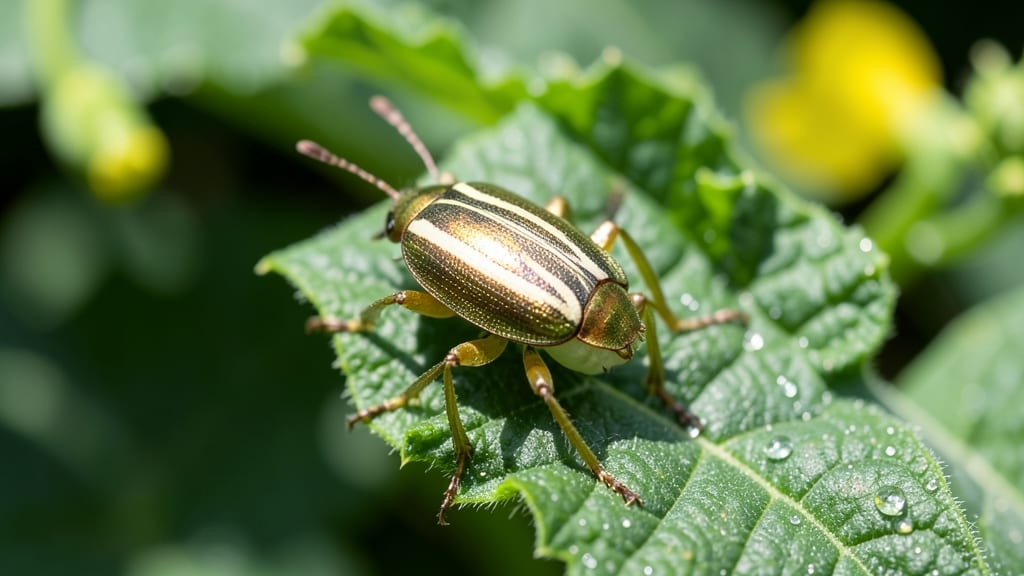
Striped cucumber beetles can turn your cucumber patch into a skeleton in days—unless you act fast. 🌱 I’ve battled these striped strippers for years, and neem oil isn’t just another remedy; it’s the 48-hour game-changer that stops them dead in their tracks.
The key? Spraying at dawn, when beetles are sluggish and vulnerable, and repeating every 3 days until they vanish.
These beetles don’t just munch leaves—they spread bacterial wilt, a death sentence for cucumbers and squash. I learned the hard way: one missed spray cycle, and your plants wilt overnight.
But neem oil disrupts their life cycle, and the results are visible within two days of consistent application. No more yellowed vines or stunted growth—just healthy, thriving plants.
Here’s the secret: mix 1 tablespoon of neem oil with 1 teaspoon of mild liquid soap in a gallon of water, then spray both the tops and undersides of leaves. The soap helps the oil stick, while the neem confuses their feeding signals.
By week 3, your garden will look like you never had a beetle problem—and your neighbors will be asking for your recipe.
Works for cucumbers, squash, melons, and even beans, but skip it on flowering plants. For extra protection, add row covers early in the season. Trust me, your summer harvest will thank you.
Root Causes Behind Beetle Infestations
Striped cucumber beetles (Acalymma vittatum) aren’t just random pests—they’re drawn to specific conditions in your garden. Understanding why they show up helps you disrupt their life cycle and keep your plants safe. Here’s a breakdown of the key triggers:
These beetles have a serious sweet tooth—literally. They target plants in the Cucurbitaceae family, which includes:
- Cucumbers (their favorite)
- Squash (zucchini, pumpkins, butternut)
- Melons (watermelon, cantaloupe, honeydew)
- Sweet potatoes and gourds
Why? These plants release volatile organic compounds (VOCs) when stressed (e.g., wilting, damage, or even just growing).
Striped cucumber beetles use their antennae to sniff out these chemical signals—like a built-in GPS for their next meal. Pro tip: If you’ve planted these crops, beetles will find them within miles if no barriers exist. 🚨
Beetles aren’t just after fresh leaves—they’re drawn to plants that are already struggling. Here’s how it plays out:
| Cause | Why Beetles Love It |
|---|---|
| Overwatered soil | Soft, mushy leaves = easy chewing. Beetles also lay eggs in damp soil near stems. |
| Nutrient-deficient plants | Stressed plants produce higher levels of sucrose (sugar), making them more appealing. |
| Prior pest damage | Holes or chewed edges release alarm pheromones, attracting more beetles to “finish the job.” |
Actionable fix: Inspect your plants weekly for yellowing leaves or stunted growth. Healthy plants with hard, waxy foliage (like resistant varieties) deter beetles naturally. 🌱
Striped cucumber beetles are opportunistic hitchhikers. They don’t fly far on their own—instead, they ride the wind or latch onto pollinators like bees and butterflies to reach new food sources. Here’s the sneaky part:
- Bees pollinate flowers (e.g., marigolds, nasturtiums) → beetles jump ship onto your cucurbits.
- Butterflies (like swallowtails) visit early spring blooms → beetles stow away for the ride.
- Wind currents carry adult beetles from nearby wild patches (e.g., ditches, abandoned farms).
Key insight: If your garden is isolated but surrounded by wild plants or farms growing cucurbits, beetles will find you. 🌪️
Striped cucumber beetles thrive in specific weather windows. Their life cycle accelerates when:
- Temperatures hit 60–85°F (15–29°C): They emerge from overwintering in soil or leaf litter.
- Humidity is high: Eggs hatch faster in moist soil (they need 5–7 days vs. 10+ in dry conditions).
- Mulch or dense foliage provides shelter: Adults hide under leaves during the day and feed at dawn/dusk.
Urban gardeners, take note: Black plastic mulch or row covers can trap heat, creating a beetle paradise. If your garden is south-facing with little airflow, you’re basically handing them a welcome mat. ❄️→🔥
Next step: Now that you know why these beetles invade, you can disrupt their favorite conditions—starting with neem oil (which targets their nervous system and egg-laying sites). Stay tuned! 🚀
Quick Fixes for Striped Cucumber Beetles
Striped cucumber beetles may seem like a tiny but relentless pest, but with the right strategies, you can reclaim your garden in no time. Below are practical, step-by-step solutions tailored to the root causes of these beetles—whether they’re munching on your plants, laying eggs, or spreading disease.
Plus, we’ll share prevention tips to keep them away for good.
If you catch these beetles early, manual removal is one of the fastest ways to reduce their numbers.
- When to do it: Early morning or late evening when beetles are sluggish.
- How to do it:
- Wear gloves (they secrete a foul-smelling fluid when crushed).
- Shake plants gently over a bucket of soapy water—the beetles will fall in and drown.
- For stubborn beetles, use a damp cloth or paper towel to gently scoop them off leaves.
- Why it works: Eliminates adults before they can reproduce or damage plants further.
💡 Pro Tip: Check the undersides of leaves and near stems—beetles love hiding there!
Neem oil is a powerhouse for controlling striped cucumber beetles within 48 hours when applied correctly.
- When to apply: Early morning or late afternoon (avoid direct sunlight).
- How to make it:
- Mix 1–2 tbsp neem oil + 1 tsp mild liquid soap (as an emulsifier) in 1 quart of water.
- Add a few drops of dish soap (not too much—it can harm plants).
- Shake well and spray thoroughly on leaves, stems, and soil (beetles hide in mulch too!).
- How often? Every 5–7 days until beetles are gone, then monthly for prevention.
- Why it works: Disrupts their feeding, mating, and egg-laying while being safe for most plants.
✨ Bonus: Neem oil also prevents bacterial wilt, a common disease these beetles spread.
If you’re dealing with heavy infestations, floating row covers can be a game-changer.
- When to use: Install before planting or as soon as you spot beetles.
- How to do it:
- Use lightweight fabric (like agricultural fleece) and secure it tightly over cucumber, squash, and melon plants.
- Leave small gaps at the bottom for pollination (if needed) or use fine mesh to allow bees in.
- Remove covers when flowers appear (if hand-pollinating isn’t an option).
- Why it works: Blocks beetles completely while letting sunlight and water through.
🌡️ Pro Tip: If you’re growing squash or pumpkins, use cheesecloth—it’s breathable and effective!
Beetles are attracted to bright yellow and blue colors, so you can trick them into traps.
- DIY Trap Method:
- Fill a yellow bowl or plate with soapy water.
- Place traps near infested plants (they’ll land and drown).
- Refresh water every 2–3 days.
- Commercial Traps:
- Use sticky yellow traps (available at garden centers).
- Hang them above plant level for maximum effectiveness.
- Why it works: Reduces adult populations without chemicals.
🎯 Bonus: Plant nasturtiums nearby—they attract beetles away from your cucumbers!
Once you’ve eliminated the current problem, keep them away for good with these preventive measures:
| Method | How to Do It | Best For |
|---|---|---|
| Crop Rotation | Avoid planting cucurbits (cucumbers, squash, melons) in the same spot yearly. | Soil-borne egg prevention. |
| Interplanting | Grow radishes, onions, or garlic near cucumbers—their scent repels beetles. | Natural deterrent. |
| Early Planting | Start seeds indoors and transplant after the last frost (beetles emerge in spring). | Avoid early-season damage. |
| Clean Garden Beds | Remove debris, old vines, and weeds in fall (beetles overwinter in them). | Reduces next year’s population. |
| Beneficial Insects | Encourage ladybugs, lacewings, and parasitic wasps (they eat beetle eggs). | Eco-friendly control. |
- Don’t use broad-spectrum pesticides (they kill beneficial insects too).
- Don’t ignore early signs—waiting lets the problem worse.
- Don’t skip neem oil applications—consistency is key!
By combining manual removal, neem oil, row covers, and traps, you’ll crush these pests fast while keeping your garden thriving. And with preventive steps, you’ll enjoy beetle-free cucumbers all season long! 🥒🌱
Frequently asked questions
How do I know if my plants have striped cucumber beetles?
Look for chewed leaves with jagged edges and tiny yellow-and-black striped beetles (about 1/4-inch long) hiding on undersides. Check for white eggs laid in clusters near stems too. Early signs include yellowing vines or stunted growth—these beetles spread bacterial wilt.
Can I use neem oil on flowering cucumber plants?
Yes, but apply it early morning or late afternoon to avoid harming bees. Neem oil is safe for flowering plants when used correctly, but don’t spray during peak pollination hours (10 AM–4 PM). Always follow the 1–2 tbsp per quart ratio with mild soap as an emulsifier.
What’s the fastest way to stop beetles from spreading bacterial wilt?
Remove infested plants immediately and dispose of them in sealed bags (don’t compost!). Then apply neem oil every 5–7 days—it disrupts their feeding and prevents the bacteria from spreading. For extra protection, use sterilized soil and rotate crops yearly.
Do row covers work for squash and pumpkins too?
Use lightweight cheesecloth or fine mesh over squash and pumpkins to block beetles completely. Just remove covers when flowers appear to allow pollination (or hand-pollinate). For large plants, secure edges tightly with clips or weights—beetles can slip through gaps!
Why do beetles keep coming back after I treat them?
Beetles often return because eggs remain in the soil or nearby plants. To break the cycle, till the soil in fall to expose overwintering eggs, and use consistent neem oil sprays (every 5–7 days). Also check surrounding areas—beetles hitch rides on wind or pollinators!