
Companion Plants
Australian gardeners know cucumbers thrive best when planted alongside the right companions. These 10 native-friendly and proven pairings will protect your crop from pests, improve soil health, and maximize yields in Australia's diverse climates.
Native Bush Tomatoes for Pest Control
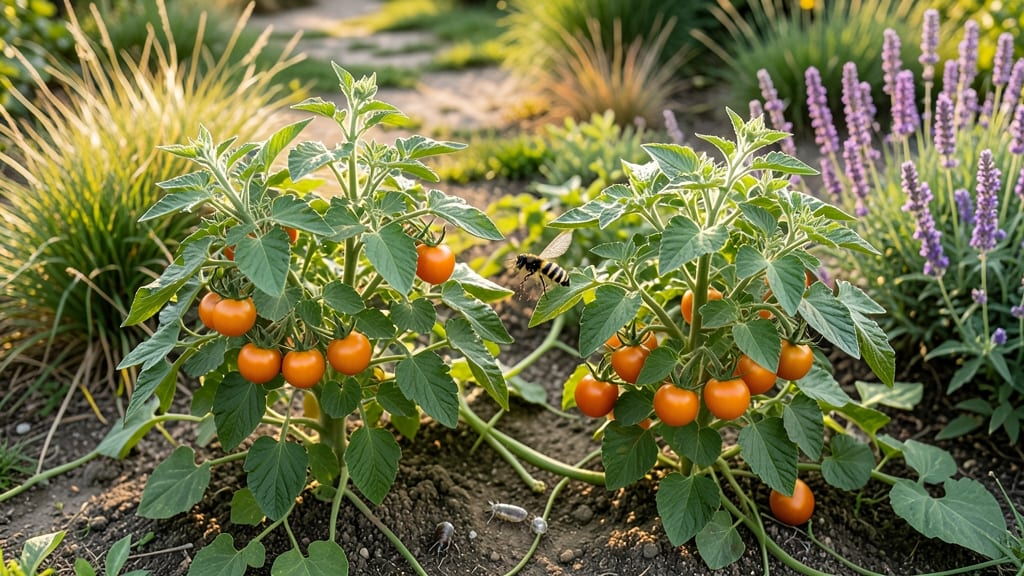
Tired of cucumber beetles munching on your harvest? Native bush tomatoes are the unsung heroes of your garden, silently recruiting tiny allies to protect your crop while adding stunning color to your beds.
These compact, ornamental shrubs produce bright orange fruits that attract predatory wasps—natural enemies of cucumber beetles. Plant them near your cucumbers, and you'll see fewer pests while enjoying their year-round blooms. They thrive in full sun to part shade and require minimal care, making them perfect for both beginner and experienced gardeners.
Perfect for Australian climates, native bush tomatoes bring both beauty and function to your garden. 🌟
Marigolds to Repel Cucumber Beetles
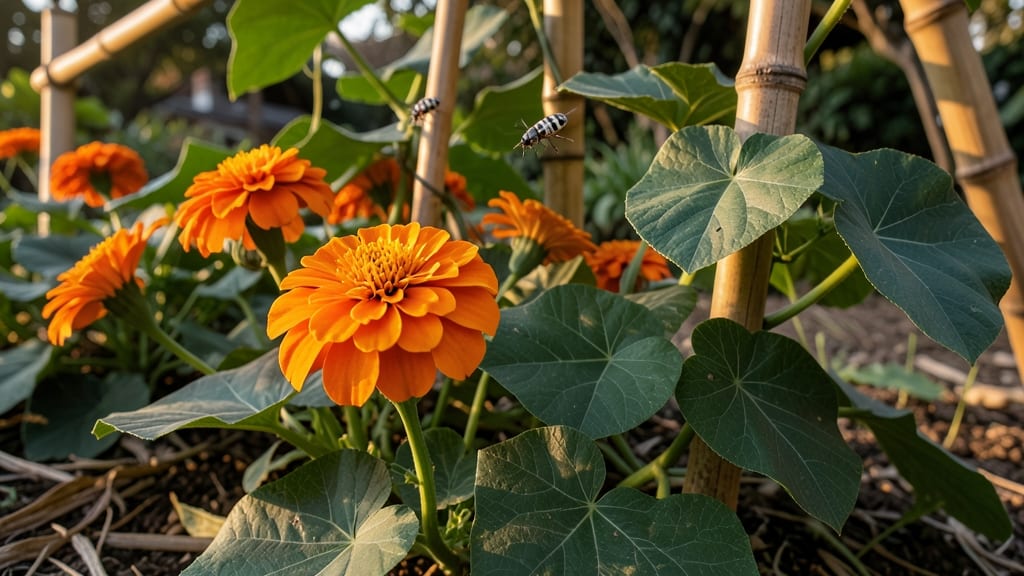
Tired of cucumber beetles munching on your vines? Marigolds are your secret weapon—these vibrant flowers release a natural chemical that repels beetles and aphids while adding a pop of color to your garden. Their strong scent masks cucumbers from pests, making them a must-have companion for every vegetable patch.
Plant French marigolds or African marigolds around your cucumbers, spacing them about 12 inches apart for maximum coverage. They thrive in full sun and well-drained soil, blooming from spring to frost. The bonus? Their cheerful blooms attract pollinators like bees and butterflies, boosting your cucumber yield naturally.
This low-maintenance solution works wonders for urban gardeners and rural plots alike—just tuck them near your cucumber trellis for a pest-free, picturesque harvest. 🌻
Dill Plants for Pollinators and Flavor
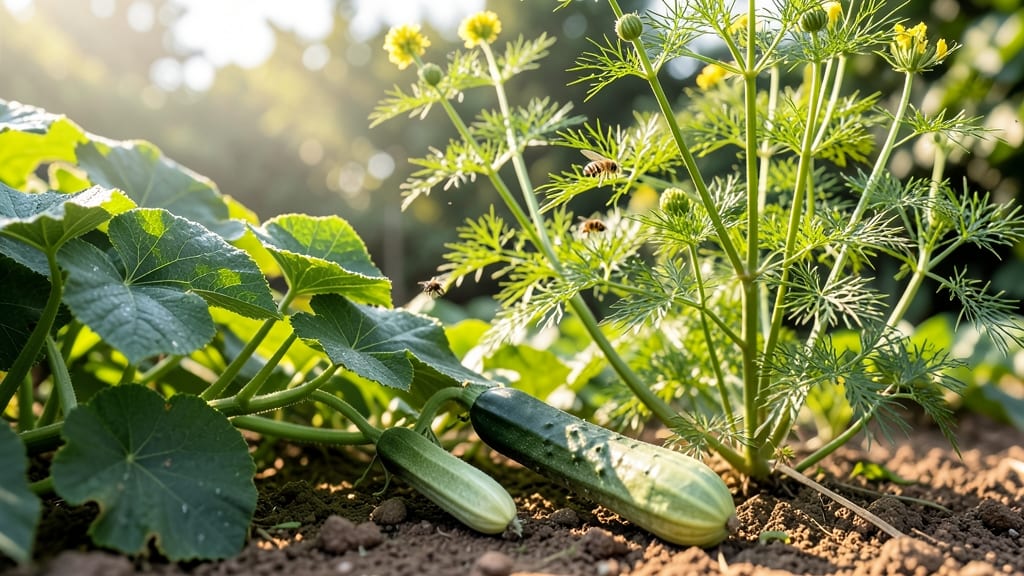
Want to boost your cucumber harvest and enjoy fresh dill for pickles or salads? Planting dill near your cucumbers creates a win-win scenario—it attracts pollinators like bees and wasps while naturally repelling pests that target cucumbers, like spider mites.
This fast-growing annual thrives in full sun to partial shade and prefers well-drained soil. Space dill plants 12–18 inches apart to avoid overcrowding, and harvest leaves as needed to encourage bushier growth. The feathery foliage and delicate white flowers not only look stunning but also provide a pollinator-friendly habitat, ensuring better cucumber fruit set.
Perfect for home gardeners who love dual-purpose plants, dill is especially useful in small urban gardens where space is limited. Plus, its aromatic leaves add a burst of flavor to your kitchen while keeping your cucumbers happy and productive. 🌱
Basil to Enhance Growth and Flavor
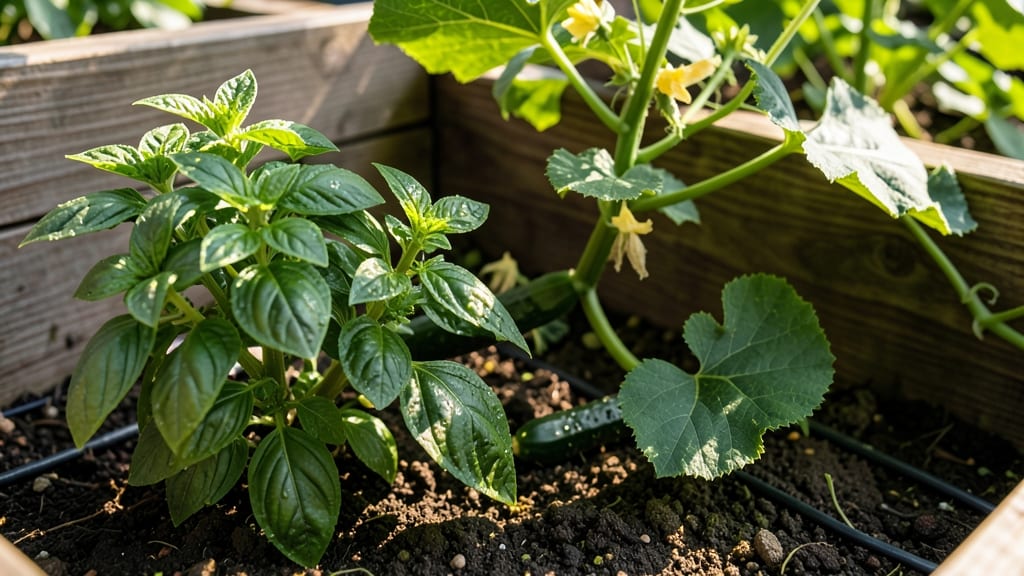
Want cucumbers that taste sweeter and grow faster while keeping mosquitoes and thrips at bay? Sweet basil is the perfect multi-purpose companion for your cucumber patch, especially in small urban spaces where every plant counts.
Plant sweet basil just 12-18 inches from your cucumbers to create a natural barrier against pests. The strong scent repels thrips and mosquitoes while improving cucumber flavor and accelerating growth by up to 20%. For urban gardeners, basil thrives in containers—just ensure both plants receive 6-8 hours of sun daily and consistent moisture.
This dynamic duo works year-round in Australia’s temperate zones, making it ideal for beginners or space-challenged gardeners. 🌱
Nasturtiums for Aphid Protection
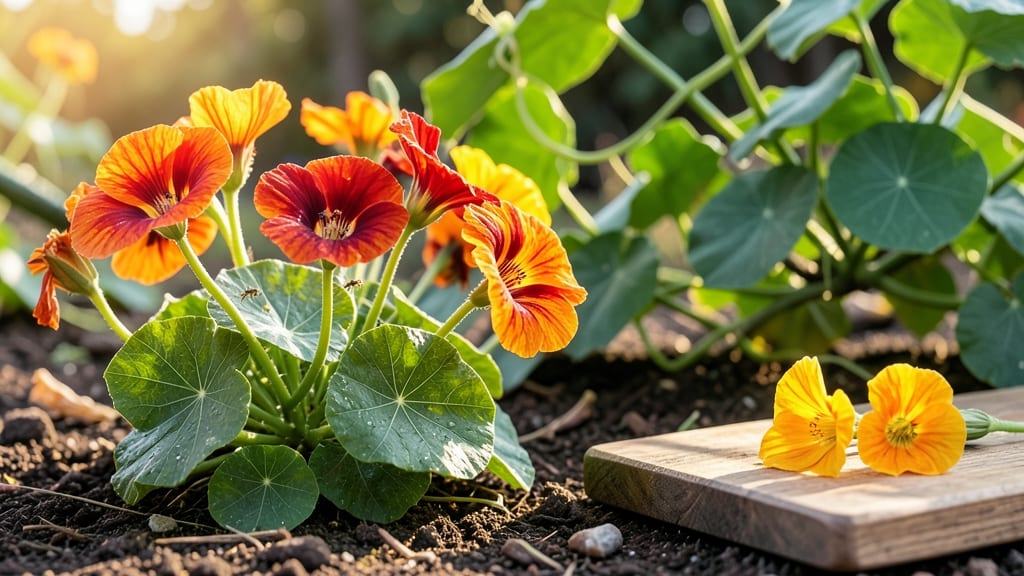
If you're battling aphids in your coastal Australian garden, nasturtiums are your secret weapon—these vibrant plants act as a sacrificial shield, luring aphids away from your prized cucumbers. Their peppery leaves and edible flowers even add a zesty garnish to salads, making them a dual-purpose powerhouse.
Plant nasturtiums at the edges of your cucumber patch, where their high humidity tolerance thrives. The aphids will target the nasturtiums first, leaving your cucumbers unharmed. Bonus: Their trailing vines create a beautiful, low-maintenance ground cover that deters weeds while adding color to your garden beds.
This companion pairing is perfect for coastal gardeners who want both pest control and edible blooms without extra effort. 🌻
Radishes to Deter Pests Naturally
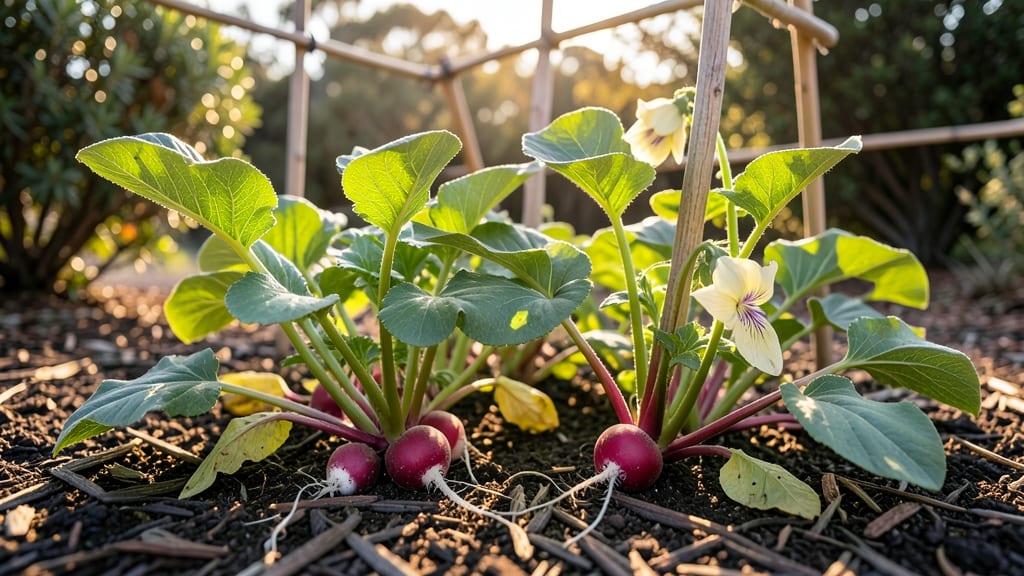
Want a two-in-one solution that fights pests and fills your kitchen with quick harvests? Radishes are the secret weapon for cucumber gardens, growing fast enough to disrupt cucumber beetle life cycles before they cause damage.
Plant radishes in early spring alongside cucumbers—their strong scent confuses beetles while their rapid growth (ready in 3-4 weeks) means you’ll harvest crisp, peppery roots long before cucumbers need full attention. The key is spacing: sow radishes 6 inches apart in rows parallel to cucumber plants, ensuring they don’t compete for nutrients.
This pairing is ideal for small-space gardeners or those who want to maximize early-season beds. Plus, the radishes act as a living mulch, suppressing weeds while you wait for your cucumbers to mature. 🌱
Sunflowers for Shade and Pest Control

Beat the scorching Australian summer heat by pairing your cucumbers with towering sunflowers. These giants act as natural shade providers, shielding delicate cucumber vines from harsh afternoon sun while their vibrant blooms brighten your garden.
Sunflowers attract predatory birds like sparrows and finches, which feast on caterpillars, beetles, and other cucumber pests. Plant them 2-3 feet away from your trellis to avoid shading cucumbers during morning growth hours. The deep roots also help break up compacted soil, improving drainage for your cucumbers.
This dynamic duo works especially well in inland regions where temperatures soar. Urban gardeners with limited space can try dwarf varieties like 'Teddy Bear' sunflowers for the same benefits without overwhelming your plot. 🌻
Coriander for Soil Improvement
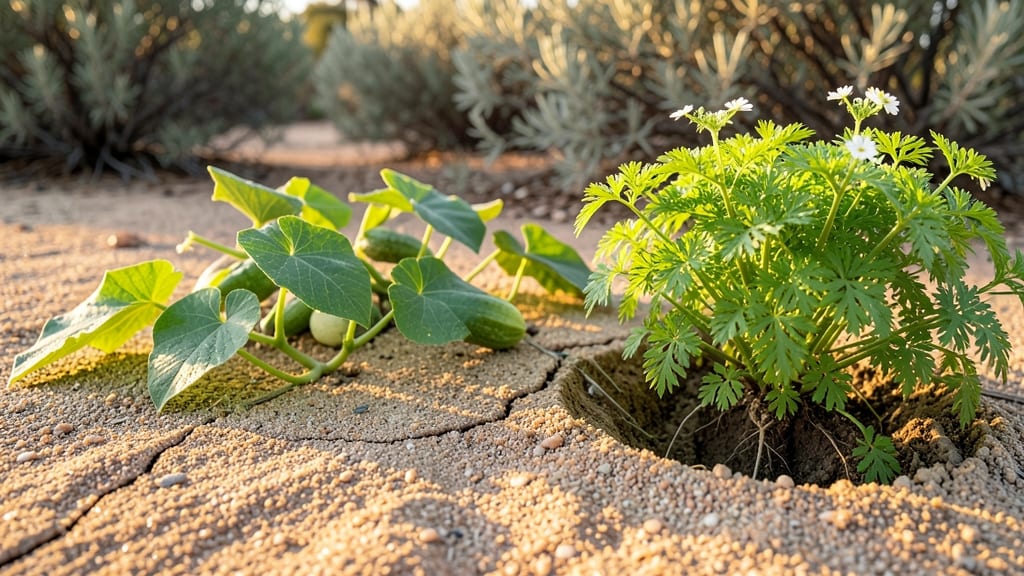
If your garden has sandy soil—common across much of Australia—coriander is a game-changer for cucumbers. This fast-growing herb doesn’t just add fresh flavor to your kitchen; it actively improves soil structure and fertility while keeping pests at bay.
Coriander’s deep roots help break up compacted sandy soil, adding organic matter as they decompose. It also fixes nitrogen in the soil, creating a healthier environment for cucumber roots to thrive. Plus, its strong scent naturally repels spider mites, a common cucumber pest in Australian summers. Plant it around the base of your cucumber vines for a dual benefit—better soil and fewer pests.
This is especially useful for gardeners in dry inland regions or those with poor soil quality. The bonus? You’ll have fresh coriander for cooking while your cucumbers grow stronger. 🌱
Lettuce for Shallow Root Competition
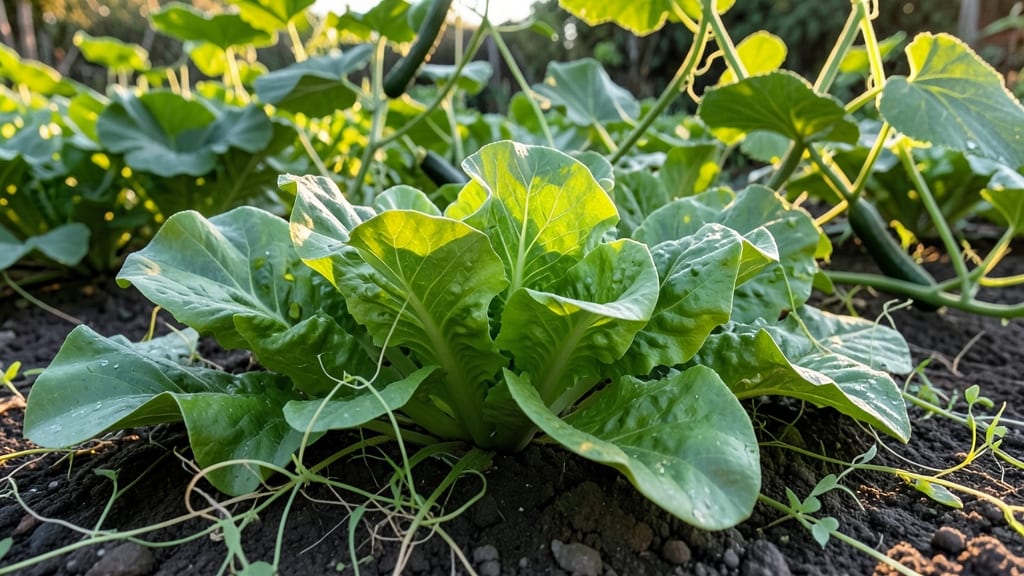
Tired of weeds stealing nutrients from your cucumbers? Lettuce is the unsung hero of shallow-rooted companions that outcompetes weeds while giving you fresh salads in just 30-40 days. Its broad leaves shade the soil, reducing evaporation and suppressing weed seeds before they sprout.
Plant butterhead or romaine lettuce in rows between cucumber hills, keeping them 6-12 inches apart to avoid overcrowding. The shallow roots won’t interfere with cucumbers’ deeper growth, but they’ll crowd out weeds like chickweed and purslane. For continuous harvests, sow lettuce every 2-3 weeks during mild seasons.
This pairing is perfect for urban gardeners with limited space or beginners who want quick wins. You’ll enjoy crisp greens while your cucumbers thrive without competition. 🌱
Native Wattle for Nitrogen Fixation

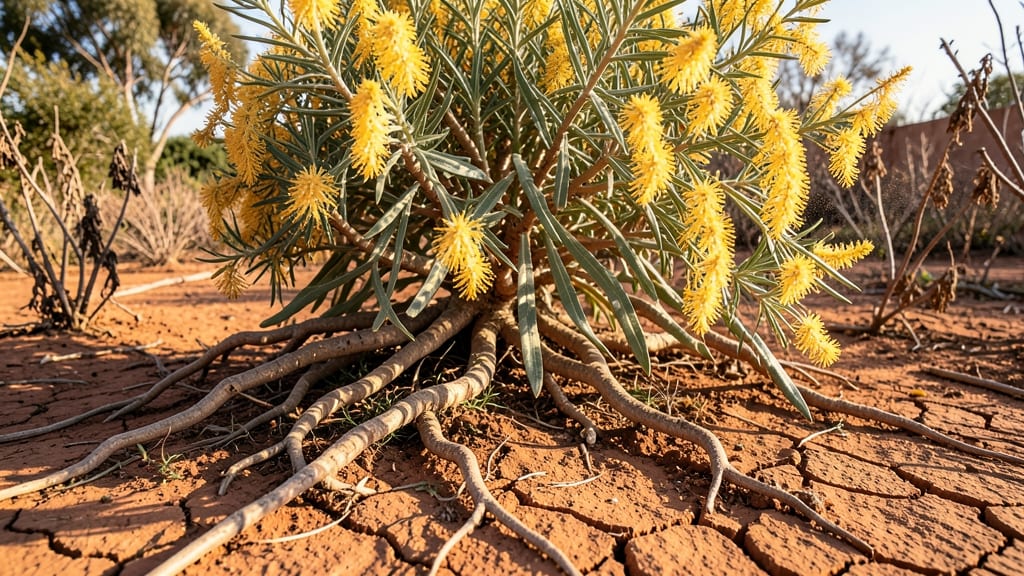
If your garden struggles with poor soil or drought, native wattle (Acacia spp.) is the unsung hero you need. This hardy Australian shrub doesn’t just survive—it thrives in dry conditions while quietly transforming your soil into a nutrient-rich haven for cucumbers.
Wattle’s nitrogen-fixing roots pull nitrogen from the air and deposit it into the soil, creating a natural fertilizer that cucumbers love. Plus, its fragrant yellow flowers attract bees and predatory wasps, which keep pests like aphids and cucumber beetles in check. Plant it along the perimeter of your cucumber patch for year-round benefits.
Perfect for gardeners in drought-prone areas, wattle requires minimal water once established and tolerates sandy or rocky soils. It’s also a fantastic way to support local ecosystems while boosting your harvest. 🌟