
Light Requirements
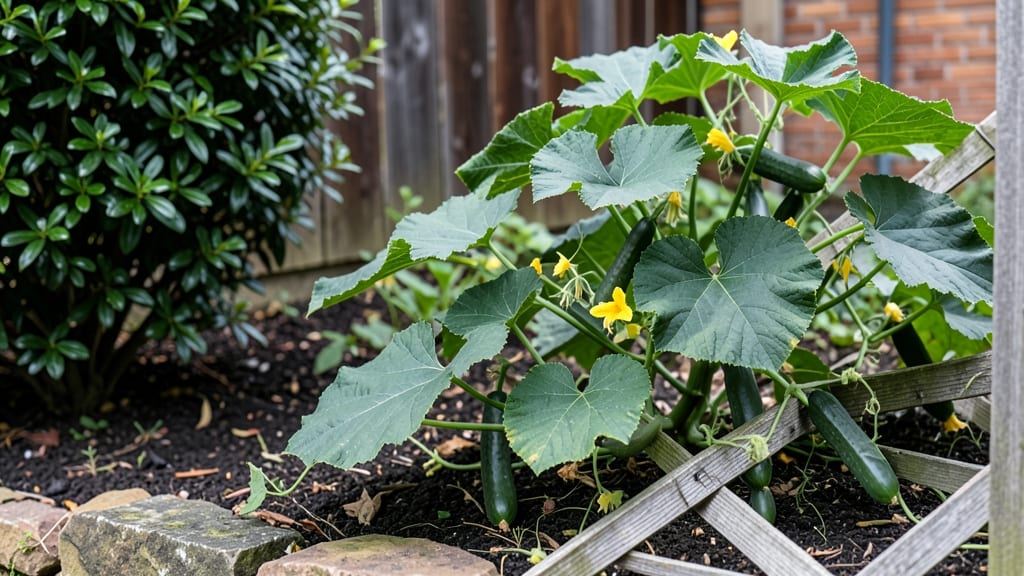
Cucumbers can grow in part shade—but only if you tweak the game plan. 🌱 I’ve grown them in dappled light for years, and while they’ll never match full-sun yields, the right varieties and care keep them producing crisp, flavorful fruit all season long.
The key is choosing shade-tolerant varieties like ‘Straight Eight’ or ‘Marketmore,’ which handle lower light better than bush types. You’ll also need to space plants farther apart—24-36 inches—to prevent overcrowding, which worsens in shady spots. Prune aggressively to direct energy toward fruit rather than leafy growth.
Expect smaller harvests, but with proper care, you’ll still get 10-15 cucumbers per plant by midseason. The trick is keeping soil consistently moist (they hate drying out) and adding a balanced fertilizer every 3-4 weeks to compensate for lower photosynthesis.
Common pitfalls? Yellowing leaves (too much shade) or powdery mildew (poor airflow). Fix the first with a reflective mulch, and the second by pruning for airflow. With these adjustments, your part-shade patch can still deliver a satisfying harvest!
📚 In This Guide
- What you need
- Instructions
- Tips and common mistakes
- Wrapping up and next steps
What you need
- ● Cucumber seeds or seedlings: Choose shade-tolerant varieties like 'Straight Eight,' 'Marketmore,' or 'Lemon Cucumber' (2–4 plants per container or 1–2 per square foot in the ground).
- ○ Containers (optional but helpful): 5-gallon fabric pots or plastic containers (12–18 inches deep)
- ● OR raised beds (at least 12 inches deep)
- ● Well-draining potting mix: 1–2 bags of organic, lightweight soil (e.g., Miracle-Gro Potting Mix or a 60/40 blend of compost/perlite).
- ● Compost or fertilizer: 1–2 cups of balanced organic fertilizer (10-10-10) or worm castings per plant.
- ● Trellis or support: A 4–6 ft tall trellis, cage, or stakes (metal or bamboo) to encourage vertical growth and airflow.
- ● Mulch: Straw or shredded leaves (2–3 inches thick) to retain moisture and suppress weeds.
- ● Reflective mulch: White plastic or aluminum foil to bounce extra light onto leaves.
- ● Drip irrigation or soaker hose: For consistent moisture without overwatering.
- ● Shade cloth (30–50% coverage): To filter harsh afternoon sun if your part shade area gets too bright.
- ● Epsom salt: 1 tablespoon dissolved in water every 2 weeks to boost magnesium for leafy growth.
How to successfully grow cucumbers in part shade
Yes, cucumbers can thrive in part shade—but they need the right approach. Here’s how to maximize their potential when full sun isn’t an option.
🌱 Step 1: Choose the Right Variety for Low-Light Conditions
Not all cucumbers tolerate shade equally. Opt for parthenocarpic varieties like 'Sweet Success' or 'Excelsior'—they produce fruit without pollination and handle lower light better than traditional types. Look for bush varieties too, as they stay compact and don’t sprawl like vining types, which need more energy to climb.
Start with container-grown seedlings instead of seeds if your season is short. Seedlings already have established roots, giving them a head start in less-than-ideal light. Avoid planting from seed in part shade unless you’re in a warm climate—slower germination and weaker seedlings will struggle.
☀️ Step 2: Position for Maximum Light Exposure
Even in part shade, cucumbers need at least 4-6 hours of direct sunlight daily. Place them near the brightest part of your garden, even if it’s only a few hours. South-facing windowsills or the edge of a patio under dappled tree canopy work well—just avoid deep shade where leaves stay dark green and leggy.
If your space gets morning sun and afternoon shade, prioritize morning light. Cucumbers photosynthesize most efficiently in cooler temperatures, so those early hours count more than intense afternoon heat. Rotate containers quarter-turn weekly to prevent leaning toward the light.
💧 Step 3: Optimize Soil and Water for Shade-Grown Cucumbers
Amend your soil with compost or aged manure to boost nutrient density—shade-grown plants need extra energy to produce fruit. Aim for well-draining, fertile soil with a pH of 6.0-6.8. Mix in 1-2 inches of compost into the top 6 inches of soil before planting.
Water deeply 2-3 times per week, ensuring the soil stays evenly moist but not soggy. Shade slows evaporation, so check moisture by sticking your finger 1 inch deep—if it’s dry, water thoroughly. Avoid wetting leaves to prevent fungal diseases like powdery mildew, which thrive in humid, low-light conditions.
🌿 Step 4: Support and Prune for Better Airflow
Use trellises, cages, or stakes to keep vines off the ground, even if they’re not climbing as vigorously as in full sun. This improves airflow, reducing disease risk. For bush varieties, a small cage or spiral trellis works best—just secure it before vines get too heavy.
Prune yellow or diseased leaves immediately to redirect energy to fruit production. In part shade, cucumbers focus less on vine growth and more on survival, so aggressive pruning can stress them. Instead, snip only the worst offenders and leave most foliage intact to maximize photosynthesis.
✂️ Step 5: Harvest Strategically to Encourage More Fruit
Pick cucumbers frequently—every 3-5 days—to stimulate new growth. Unpicked fruit saps energy, and in low light, plants struggle to replenish. Harvest when cucumbers are firm, bright green, and 6-8 inches long for best flavor and texture.
If fruit production slows, fertilize lightly with a balanced 10-10-10 fertilizer or compost tea. Too much nitrogen (like in lawn fertilizer) will boost leaves at the expense of fruit. Stop fertilizing 4-6 weeks before the first frost to let plants harden off naturally.
Tips & tricks for thriving cucumbers in low-light gardens
Between us, I’ve watched shade-loving cucumbers go from struggling to thriving—here’s what nobody tells you about making it work.
Light Optimization: Those critical 4-6 hours of direct sunlight in Step 2 should be your top priority. I’ve found that positioning containers on a south-facing windowsill or under a dappled tree canopy maximizes light exposure without scorching. For morning sun/afternoon shade situations, rotate containers quarter-turn weekly—this prevents vines from permanently leaning toward the light source, which can weaken stems over time.
Soil Science: The 6.0-6.8 pH range mentioned in Step 3 isn’t just a suggestion—it’s a game-changer for nutrient uptake in low light. Test your soil before planting; if it’s off, amend with pelletized lime (to raise pH) or sulfur (to lower it). I’ve also had success adding 1 tablespoon of Epsom salt per plant at planting time to boost magnesium, which helps with photosynthesis in limited light.
Disease Prevention: In Step 3, wetting leaves is a big no-no—but even with careful watering, fungal spores lurk in shade gardens. I’ve started using a spray bottle with neem oil and water (1 tablespoon per quart) every 2 weeks as a preventive measure. This creates a protective barrier without harming beneficial insects. The key is applying it in the early morning so it dries completely before evening humidity sets in.
Harvest Hack: That 3-5 day harvest window in Step 5 is non-negotiable for shade-grown cucumbers. I mark my calendar with reminders because missed harvests lead to bitterness and slower regrowth. Pro tip: Harvest in the morning when cucumbers are coolest and firmest. Store them in the fridge to extend freshness—shade-grown cucumbers tend to soften faster than sun-grown ones.
Pro Tips for Can Cucumbers Grow In Part Shade
- Between us, I’ve watched shade-loving cucumbers go from struggling to thriving—here’s what nobody tells you about making it work.
- Light Optimization: Those critical 4-6 hours of direct sunlight in Step 2 should be your top priority.
- Soil Science: The 6.0-6.8 pH range mentioned in Step 3 isn’t just a suggestion—it’s a game-changer for nutrient uptake in low light.
Frequently asked questions
Can cucumbers grow at all in part shade?
While cucumbers love full sun, they can still thrive in partial shade (4–6 hours of sunlight daily). Just expect slightly smaller fruits or slower growth. Choose bush varieties like ‘Bush Champion’ or ‘Straight Eight’ for better adaptation to lower light.
How long does it take for cucumbers to grow in part shade?
Timing depends on light and variety, but expect 50–70 days from transplanting to harvest in part shade. Slower growth is normal—focus on consistent watering and nutrient-rich soil to compensate. Try succession planting for a staggered harvest!
What’s the best way to maximize shade-grown cucumbers?
Boost success with these tweaks:
- Reflective mulch: Use white plastic or aluminum foil to bounce light onto plants.
- Vertical trellising: Train vines upward to improve air circulation and light exposure.
- Prune strategically: Remove lower leaves to reduce shade competition.
Why are my shade-grown cucumbers bitter or small?
Low light can trigger bitterness or stunted growth. Fix it by:
- Harvesting frequently to encourage more production.
- Using a balanced fertilizer (like 10-10-10) every 2–3 weeks.
- Moving containers to sunnier spots midday if possible.
Are there shade-tolerant cucumber alternatives?
Yes! If cucumbers struggle, try these low-light-friendly swaps:
- Zucchini or summer squash: Handles part shade well (6+ hours of sun).
- Peppers (bell or jalapeño): Thrives in 4–6 hours of light.
- Leafy greens (kale, spinach): Loves shade and grows faster!
Wrapping up and next steps
Growing cucumbers in part shade is absolutely possible—with the right variety, care, and patience! 🌱 While they thrive in full sun, shade-tolerant types like 'Straight Eight' or 'Lemon' can flourish in 3-6 hours of sunlight with proper support and hydration.
The key is monitoring their needs, adjusting spacing, and embracing their slower growth.
Ready to give it a try? Start by selecting your shade-friendly cucumbers, prepping your garden bed, and keeping an eye on their progress. With a little love, you’ll soon be harvesting crisp, homegrown cucumbers—even in less-than-ideal light! 🎉