
Pests
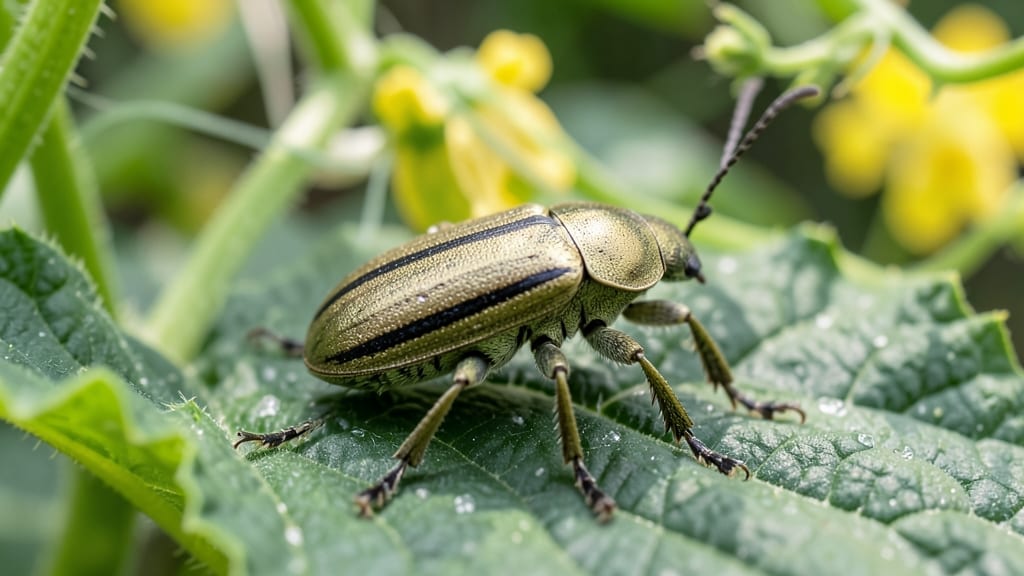
This simple neem oil spray is the key to effective cucumber beetle control—no more skeletonized leaves or wilted vines. 🌱 I’ve watched these striped pests turn thriving cucumber plants into sad, chewed-up shadows, but this organic spray works where everything else fails. fails. The key?
Timing, concentration, and knowing exactly when to spray for maximum impact. These beetles don’t just munch—they spread bacterial wilt, a death sentence for cucumbers, squash, and melons. You’ll spot them as tiny, yellow-and-black striped invaders crawling on leaves or buzzing around plants in the morning. The damage?
Jagged holes, silvery streaks on leaves, and plants that look like they’ve been through a food processor. But neem oil disrupts their life cycle faster than synthetic pesticides. By the third application, your plants will bounce back with bold, healthy growth—no more wilting or stunted vines.
The spray works best at dawn or dusk when beetles are most active, and it’s safe for beneficial insects once fully dried. No more losing your entire crop to these relentless pests. Works for home gardens, raised beds, and even container plants—just mix, spray, and watch those beetles retreat.
Here’s the exact formula I use that stops infestations in their tracks.
Root Causes Of Beetle Attacks
Cucumber beetles—those tiny, striped pests—don’t just show up out of nowhere. Their infestations are the result of a mix of environmental, agricultural, and ecological factors. Understanding why they target your cucumbers, melons, and squash is the first step to stopping them.
Let’s break down the science behind their behavior and how they exploit your garden.
Cucumber beetles are specialists, meaning they have a specific taste for certain plants. Their favorite hosts include:
- Cucurbits (cucumber, squash, pumpkin, melon, zucchini) – These plants produce volatile organic compounds (VOCs) that attract beetles. When damaged (even slightly), they release even more scent signals, drawing in more pests.
- Weak or stressed plants – Beetles prefer plants that are already struggling due to nutrient deficiencies, drought, or poor soil health. A healthy plant can better resist their feeding and egg-laying.
- Young seedlings – Newly sprouted plants are softer and more tender, making them an easy meal. Beetles often strike within days of germination, which is why row covers are critical.
Actionable insight: If your garden is a monoculture (all cucumbers in one spot), beetles will overwhelm it faster. Interplanting with non-host plants (like herbs or flowers) can disrupt their feeding patterns.
Cucumber beetles are temperature-sensitive, and their activity spikes under specific conditions:
- Warm spring weather (60–85°F) – Beetles emerge from overwintering sites (like leaf litter or soil) when soil temps rise. Early planting in cool seasons can delay their arrival.
- Dry, sunny conditions – Beetles thrive in low humidity because it reduces natural predators (like lady beetles) and makes plants more water-stressed, releasing more attractant chemicals.
- Rain delays – After a dry spell, sudden rain can trigger mass egg-laying because beetles sense moisture as a signal for new plant growth.
Pro tip: 🌡️ Monitor your local degree-day accumulations (a tool used in pest forecasting). Cucumber beetles typically become active around 300–500 growing degree days (base 50°F).
Human habits—like tilling, irrigation, and crop rotation—can accidentally create the perfect beetle buffet:
| Practice | How It Attracts Beetles |
|---|---|
| Over-tilling soil | Destroys natural predators (like ground beetles) and exposes beetle pupae buried in the soil. |
| Excessive nitrogen fertilizer | Makes plants lush and soft, which beetles love. It also reduces plant defenses like cucurbitacins (natural bitter compounds that deter pests). |
| Ignoring crop residue | Old plant debris provides hiding spots for overwintering adults and a place for larvae to pupate. |
| Poor irrigation timing | Frequent watering keeps soil moist, speeding up beetle development from egg to adult in just 2–3 weeks. |
Key takeaway: 🌱 Healthy soil = healthier plants = fewer beetles. Focus on compost, mulch, and balanced fertilization to make your garden less appealing.
Cucumber beetles face fewer natural enemies in modern gardens due to:
- Pesticide overuse – Broad-spectrum sprays (like neonicotinoids) kill beneficial insects first, leaving beetles unchecked. Parasitoid wasps and lady beetles are key beetle predators.
- Lack of diverse plantings – Monoculture gardens offer no refuge for predators. Pollinator-friendly flowers (like marigolds, dill, or alyssum) attract insects that eat beetle eggs and larvae.
- Urbanization & habitat loss – Fewer wildflower meadows mean fewer overwintering sites for beetle predators, giving cucumber beetles an edge.
✨ Eco-friendly fix: Plant a "predator garden" near your cucurbits with native wildflowers and herbs to support beneficial insects year-round.
Beat Back Beetle Damage Fast
Now that you know what’s attracting those pesky cucumber beetles to your garden, it’s time to take action! The good news? With the right strategies, you can eliminate existing infestations and prevent future ones—without resorting to harsh chemicals.
Below, we’ll break down targeted solutions based on the most common causes, from early intervention to long-term defense.
If you’ve already spotted cucumber beetles munching on your plants, act fast to minimize damage and prevent the problem from worsening.
🍳 Remove Infested Plants (If Necessary)
- When to do it: If plants are severely damaged (yellowing leaves, wilted vines, or holes in foliage) and less than 50% healthy, it’s often easier to pull and replace them.
- How to do it safely:
- Wear gloves and a mask (beetles can irritate skin and spread bacteria like Erwinia, which causes bacterial wilt).
- Drop infested plants in a sealed bag—do not compost them!
Beetles and eggs can survive and reinfest. - Dispose of them in outdoor trash or burn them (if local regulations allow).
👨🍳 Handpick Beetles (Yes, Really!)
- Best time: Early morning or late evening when beetles are sluggish.
- How to do it:
- Shake plants gently over a bucket of soapy water (1 tbsp dish soap per gallon).
- Use a magnifying glass to spot tiny eggs on the underside of leaves.
- Crush adults (they can’t survive long without their exoskeleton) or drown them in soapy water.
🥘 Deploy Neem Oil Spray (The Game-Changer)
Neem oil is organic, effective, and safe for most plants when used correctly.
It disrupts beetles’ life cycle by: ✅ Repelling adults (strong scent deters them). ✅ Killing eggs and larvae (stops the next generation). ✅ Weakening their immune system (makes them vulnerable to natural predators).
**📝 Pro Tip: Apply neem oil at dusk to avoid harming bees and other pollinators. Reapply every 5–7 days or after rain.
🔹 DIY Neem Oil Spray Recipe (1 gallon):
| Ingredient | Amount |
|---|---|
| Cold-pressed neem oil | 2 tbsp |
| Dish soap (or mild liquid soap) | 1 tsp |
| Water | 1 gallon |
| Optional: | |
| Garlic or cayenne pepper (for extra repellency) | 1 tsp |
How to apply:
- Shake well before each use (neem oil separates).
- Spray thoroughly on both sides of leaves, stems, and soil (beetles hide in mulch!).
- Cover the entire plant, including the undersides where eggs are laid.
Once you’ve kicked the beetles out, keep them from crashing the party again with these proactive strategies.
💡 Trap Cropping (Sacrifice a Few Plants)
How it works: Plant a small patch of radishes, nasturtiums, or turnips near your cucumbers.
Beetles prefer these over your prized veggies. - When to use it: - Early in the season (before beetles find your main crops). - Rotate trap crops every 2–3 weeks to keep them effective. - Bonus: Nasturtiums repel beetles naturally and add a pop of color to your garden!
🌡️ Use Row Covers (The Ultimate Shield)
- Best for: Young plants (before they flower) or high-value crops.
- How to do it:
- Secure edges with soil or bricks to prevent beetles from crawling underneath.
- Remove covers when plants flower (to allow pollination).
🎯 Encourage Natural Predators
Mother Nature has built-in beetle hunters—just give them a helping hand!
- Ladybugs 🐞 – Devour cucumber beetle eggs and larvae.
- Ground beetles 🪲 – Patrol the soil, eating beetle grubs.
- Parasitic wasps 🕷️ – Lay eggs inside beetle larvae.
How to attract them:
- Plant dill, fennel, or marigolds (they love these flowers).
- Avoid pesticides (even organic ones can harm beneficial bugs).
- Leave some leaf litter near plants (ground beetles hide there).
🔪 Soil & Mulch Management Cucumber beetles love hiding in moist, mulchy soil.
Adjust your garden habits to make it less inviting: - Use straw or grass clippings instead of wood chips (they dry out faster, deterring beetles). - Avoid overwatering (beetles thrive in damp conditions). - Rotate crops yearly (beetles target the same family—cucumbers, squash, melons—so confuse them by switching locations).
If your garden is overrun and you need fast results, combine these aggressive (but still organic) tactics:
- 🍋 Citrus or Vinegar Spray (Beetles HATE the smell!)
- Mix
- OR use 1 part vinegar + 3 parts water (spray directly on beetles).
- Reapply every 2–3 days (works best in direct sunlight).
- 🌿 Beer Traps (Yes, Really!)
- Bury a
- Beetles are drawn to the yeast, fall in, and drown.
- Refresh every 2–3 days for best results.
- 🔪 Kaolin Clay (The "Chinese Clay" Trick)
- A
- Mix 1–2 tbsp kaolin clay + 1 gallon water, add a drop of soap, and spray on plants.
- Reapply after rain (it washes off easily).
| Task | When to Do It | Why It Works |
|---|---|---|
| Apply neem oil spray | Every 5–7 days (or after rain) | Stops beetles from laying eggs |
| Handpick beetles | Early morning/late evening | Removes adults before they reproduce |
| Use row covers | At planting (remove when flowering) | Blocks beetles from reaching plants |
| Plant trap crops | Early season (every 2–3 weeks) | Distracts beetles from main crops |
| Encourage predators | Year-round (avoid pesticides) | Natural population control |
| Rotate crops | Yearly (switch garden spots) | Confuses beetles’ search patterns |
Final Thought: Cucumber beetles are annoying but beatable—especially with neem oil as your secret weapon. Start with immediate removal, then layer in prevention to keep your garden thriving. Your cucumbers (and sanity) will thank you!** 🥒💚
Frequently asked questions
How soon will I see results after using neem oil?
You’ll notice a difference within 24–48 hours—adult beetles will start avoiding treated plants. For full control, apply neem oil every 5–7 days or after rain. The key is consistency: it disrupts their life cycle, so repeat applications stop new eggs from hatching.
Can I use neem oil if my plants are flowering?
Yes, but apply it at dusk to protect pollinators like bees. Neem oil is safe once fully dried, but avoid spraying directly on open flowers during peak pollination hours. For extra safety, use it when flowers are closed (early morning or late evening) and always follow up with a rinse if heavy rain follows.
What’s the best time of day to handpick beetles?
Early morning or late evening when beetles are sluggish. They’re less active in cooler temps, making them easier to spot and remove. Shake plants over a bucket of soapy water (1 tbsp dish soap per gallon) to drown them quickly. Check the undersides of leaves—this is where they lay eggs!
Will row covers work for mature cucumber plants?
Not effectively. Row covers are best for seedlings and young plants before they flower. Once plants bloom, remove covers to allow pollination. For mature plants, focus on neem oil, handpicking, or companion planting with marigolds or nasturtiums to repel beetles naturally.
How do I know if my plants have bacterial wilt from beetles?
Look for sudden wilting (even with healthy roots), yellowing leaves, and oozing vascular tissue when you cut a stem. Bacterial wilt spreads rapidly—remove infected plants immediately and disinfect tools with rubbing alcohol. Prevent spread by controlling beetles early and rotating crops yearly.