
Pests
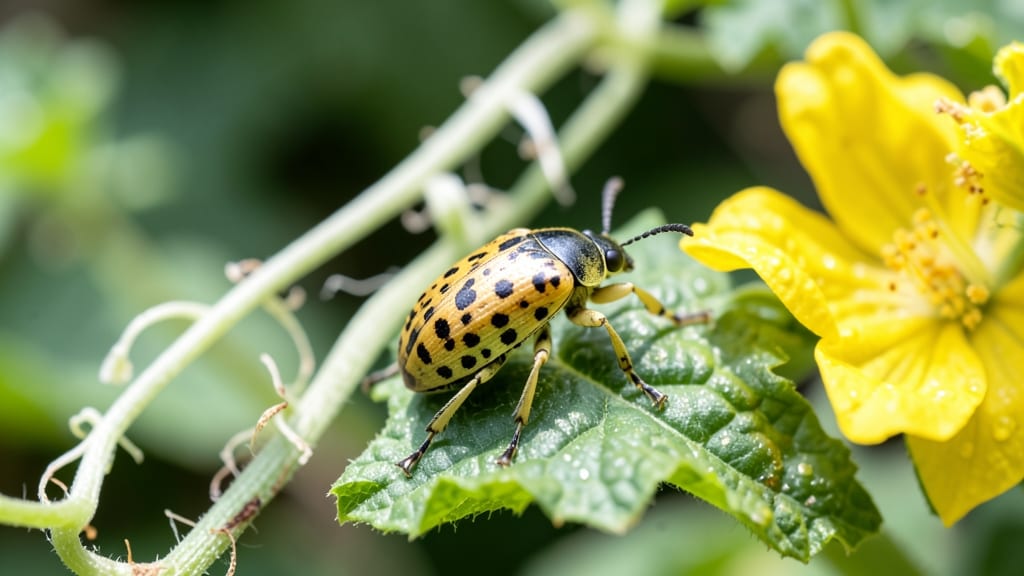
Mastering spotted cucumber beetle control saved my cucumbers—here’s the neem oil and row cover trick that stopped the devastation in its tracks. 🌱 I’ve watched entire vines wilt from their feeding—until I learned the combo that actually works.
These striped pests aren’t just annoying; they spread bacterial wilt, which is a death sentence for cucurbits. The good news? This two-part strategy stops them cold. Row covers create a physical barrier early in the season, while neem oil disrupts their life cycle when they show up later.
No more losing plants to those tiny black-and-yellow striped invaders. You’ll see fewer holes in leaves and healthier vines within 2-3 weeks of consistent treatment. What you’ll end up with is cucumbers that stay lush and productive all season. The key is acting fast—before the beetles get established.
I’ll show you exactly when to apply each method for maximum impact. Works for backyard gardens, raised beds, and even container plantings. Let’s get those cucumbers growing strong again!
Root Causes of Beetle Infestations
Spotted cucumber beetles—those striped, yellow-and-black pests—don’t just appear out of nowhere. Their presence is usually a sign of specific environmental, agricultural, or ecological factors at play. Understanding why they target your garden helps you disrupt their lifecycle before they wreak havoc on your cucumbers, squash, and melons.
Here are the key reasons these beetles show up in your crops.
Spotted cucumber beetles are attracted to rotting plant debris, compost piles, and even manure. Why? Because these materials harbor Bacillus thuringiensis israelensis (Bti), a natural bacteria that thrives in decomposing organic matter—and the beetles feed on it.
Additionally, overripe or fallen fruits and vegetables release volatile organic compounds (VOCs) that act like a dinner bell for adult beetles.
💡 Pro Tip: If you’ve noticed beetles lingering near your garden edges, check for hidden compost heaps, old crop residues, or uneaten fallen produce. Clearing these hotspots can reduce beetle populations by up to 40% before they even reach your main crops.
These beetles have a strong preference for plants in the Cucurbitaceae family (cucumbers, squash, melons, pumpkins). When gardens or farms grow the same crops year after year (monoculture), they create an all-you-can-eat buffet for beetles.
Worse, adult females lay eggs in the soil near these plants, ensuring the next generation has easy access to food.
📊 Science Breakdown:
- Adult beetles feed on leaves, stems, and flowers, transmitting bacterial wilt and cucumber mosaic virus as they go.
- Larvae (white grubs) burrow into roots, weakening plants and making them susceptible to disease.
- If your garden is only cucurbits, beetles will find it first.
🌡️ Actionable Fix: Rotate crops annually and interplant cucurbits with non-host plants like beans, lettuce, or herbs to disrupt beetle navigation and feeding patterns.
Spotted cucumber beetles love warm, damp soil—perfect conditions for their eggs to hatch. Females prefer to lay eggs in well-watered, loose soil near cucurbit seedlings. If your garden has:
- 🔥 Excessive irrigation (especially overhead watering, which keeps soil moist longer).
- 🌡️ Poor drainage (leading to soggy, anaerobic conditions that beetles favor).
- 🍃 Freshly tilled or disturbed soil (which mimics natural decay and attracts egg-laying females).
🔥 Why It Matters: Eggs hatch in 7–10 days under ideal conditions (60–80°F soil temps), releasing larvae that chew on roots. Drought-stressed soil, however, can delay hatching—but once moisture returns, beetles explode in numbers.
✨ Prevention Hack: Use drip irrigation instead of overhead watering to keep soil moisture consistent but not saturated. Mulch with straw to regulate temperature and reduce soil compaction.
In a balanced ecosystem, spotted cucumber beetles face threats from:
- 🐝 Parasitic wasps (like Tiphia vernalis, which lay eggs in beetle grubs).
- 🦋 Ground beetles (which prey on larvae).
- 🐍 Birds and toads (that snack on adults).
- 🐛 Beneficial nematodes (like Steinernema carpocapsae, which infect grubs).
But if your garden lacks diverse plant life or has been treated with broad-spectrum pesticides, these predators vanish. Without them, beetle populations skyrocket unchecked.
🎯 Solution: Plant native wildflowers (like dill, fennel, or Queen Anne’s lace) to attract predator insects. Avoid neonicotinoid sprays, which kill beneficial bugs along with pests.
By addressing these root causes—organic matter buildup, monoculture crops, soil conditions, and predator loss—you can make your garden far less inviting to spotted cucumber beetles. The key? Disrupt their lifecycle early before they turn your cucurbit patch into a buffet.
Beat Back Beetle Damage Fast
Now that you know what’s luring those pesky spotted cucumber beetles into your garden, let’s tackle them head-on with practical, garden-friendly solutions. These fixes target the root causes—whether it’s their love for squash vines, their sneaky hiding spots, or their relentless feeding habits—while keeping your plants thriving.
From quick fixes to long-term prevention, here’s how to reclaim your garden.
If you’ve already spotted these striped invaders, act fast to minimize damage.
🔥 Remove and Destroy Infested Plants
Spotted cucumber beetles lay eggs in the soil near cucurbits (think cucumbers, squash, melons, and pumpkins).
If you see chewed leaves or adults crawling on plants: - Pull up heavily infested plants (especially young seedlings) and bag them to prevent beetles from escaping. - Drop them in soapy water or toss them in the trash—never compost infested plant material. - 💡 Pro Tip: Check the undersides of leaves and soil surface for eggs (tiny, yellow, and oval-shaped).
Scrape them off with your fingernail or a stiff brush and dispose of them.
🛡️ Shield Your Plants with Row Covers
Physical barriers are your first line of defense. Floating row covers (lightweight fabric) create an instant fortress:
- Install covers early (as soon as you plant seeds or seedlings) to block beetles before they arrive.
- Secure edges tightly with soil or bricks to prevent beetles from crawling underneath.
- Leave covers on for 2–3 weeks after planting, then remove them when flowers appear (beetles are less attracted to flowering plants).
- 🌡️ Heat Hack: If covers make plants too warm, loosen them slightly during the hottest part of the day for airflow.
🍳 Neem Oil Spray: The Organic Knock-Out Punch
Neem oil is a double threat—it repels beetles and disrupts their life cycle.
Here’s how to use it effectively:
- Mix your spray: Combine 1 tbsp neem oil, 1 tsp mild liquid soap (as an emulsifier), and 1 quart of water in a spray bottle.
- Shake well before each use (neem oil separates).
- Spray thoroughly on both sides of leaves, stems, and soil around plants. Focus on young leaves (beetles love munching there).
- Reapply every 5–7 days or after rain, and repeat for 2–3 weeks to break their breeding cycle.
- ⏰ Best timing: Apply early morning or late evening to avoid harming bees (neem oil can be toxic to them during peak sunlight).
Once you’ve handled the current infestation, set up your garden to deter future attacks.
👨🍳 Plant Smart: Trap Crops and Companion Planting
Beetles are drawn to cucurbits, so trick them with sacrificial plants: - Plant trap crops like radishes or nasturtiums near your cucumbers or squash.
Beetles will go for these instead—pull them up and destroy them regularly. - Interplant with herbs like basil, dill, or mint. These mask the scent of your cucurbits, making them less appealing. - Avoid planting cucurbits in the same spot yearly—beetles overwinter in the soil.
Rotate crops to starve out their eggs.
🔪 Soil Health: Starve Out Beetle Eggs
Spotted cucumber beetles lay eggs in warm, moist soil.
Improve your soil’s health to make it less hospitable: - Add compost to encourage beneficial microbes that outcompete beetle eggs. - Mulch heavily with straw or grass clippings—this dries out the soil surface, making it harder for eggs to hatch. - 🎯 Targeted Tip: In early spring, apply a thin layer of diatomaceous earth around plants.
It’s non-toxic to plants but dehydrates beetle eggs and larvae.
🕵️🏽 Monitor and Maintain Vigilance
Prevention isn’t a one-time task—it’s an ongoing game of strategy:
- Check plants daily (especially in morning or evening) for early signs of beetles or egg masses.
- Handpick adults by shaking them into a soapy water bucket—it’s tedious but highly effective for small gardens.
- Encourage natural predators: Ladybugs, lacewings, and parasitic wasps eat cucumber beetle eggs and larvae.
Plant dill, fennel, or yarrow to attract them.
If your garden is overrun despite your best efforts, consider additional organic controls: - Pyrethrin-based sprays (derived from chrysanthemums) for rapid knockdown of adult beetles. Reapply every 3–5 days. - Beneficial nematodes (Heterorhabditis bacteriophora)—microscopic worms that seek out and kill beetle larvae in the soil.
Apply in early summer when soil temps are 60–85°F. - 🔥 Emergency Move: If beetles are devastating seedlings, consider starting plants indoors and transplanting them after the beetle threat has passed (usually late spring).
Remember: Consistency is key. Spotted cucumber beetles are persistent, but with row covers, neem oil, smart planting, and soil care, you can keep them at bay and enjoy a bountiful, beetle-free harvest! 🥒🌿
Frequently asked questions
How do I know if my plants have spotted cucumber beetles?
Look for black-and-yellow striped beetles (about 1/4-inch long) on leaves or flowers. Check for chewed leaf edges or tiny holes in young leaves. You may also spot yellow, oval eggs on the undersides of leaves or soil surface near plants. Infected plants often wilt suddenly from bacterial wilt transmission.
Can I use neem oil if I have bees in my garden?
Yes, but with caution. Neem oil is least toxic to bees when applied early morning or late evening when they're less active. Avoid spraying full-bloom flowers and focus on leaves/stems. For extra safety, apply neem oil before flowers open or use bee-friendly alternatives like kaolin clay or insecticidal soap.
How long do row covers need to stay on my plants?
Keep row covers on for 2-3 weeks after planting to block adult beetles from reaching seedlings. Remove them when flowers appear (beetles are less attracted to flowering plants). For summer squash, you can remove covers after 2 weeks—just monitor for early signs of beetles. Always secure edges tightly to prevent beetles from crawling underneath.
Will diatomaceous earth work on adult beetles?
Diatomaceous earth is most effective against eggs and larvae, not adult beetles. For adults, it can cause dehydration over time but isn't a fast solution. For immediate control, combine it with handpicking or neem oil sprays. Apply a thin layer around plant bases in early spring to target overwintering eggs before they hatch.
Can I still grow cucumbers if I've had beetles before?
Rotate planting locations yearly and use preventive measures like row covers, companion planting, and soil treatments. Practice crop rotation (don't plant cucurbits in the same spot) and consider trap cropping with radishes or nasturtiums. Healthy soil with beneficial nematodes also helps reduce future infestations.