
Vegetables
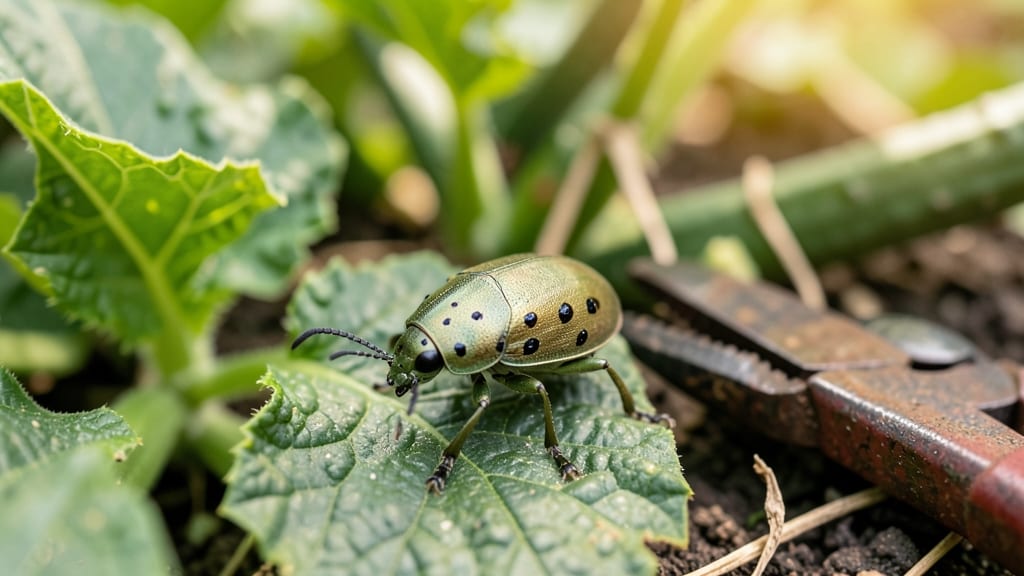
The green spotted cucumber beetle turns your cucumbers, melons, and squash into a buffet—and not the kind you want. 🌱 I’ve watched these tiny striped pests strip plants bare in just days, leaving behind a trail of wilting vines and bacterial wilt.
The good news? You don’t need harsh chemicals to fight back.
These beetles thrive in warm weather, and once they’re in your garden, they’re hard to shake. That’s why I focus on prevention first: row covers, companion plants like radishes or nasturtiums, and early crop rotation to break their life cycle.
The key is acting before they become a full-blown infestation.
Natural predators like ladybugs and parasitic wasps can help, but they need the right conditions to stick around. A simple trap crop of radishes or buckwheat draws them away from your prized plants, while neem oil sprays (applied at dusk) disrupt their feeding without harming pollinators.
Even if you spot them late in the season, removing eggs by hand (they look like tiny orange specks) and cleaning up debris in fall stops next year’s outbreak. It’s not about eradicating them—it’s about outsmarting them before they outsmart you.
How Beetles Choose Your Garden
Those pesky green spotted cucumber beetles don’t just wander into your garden by accident—they’re drawn in by a mix of environmental cues, plant chemistry, and even your gardening habits.
Understanding why these beetles target your crops is the first step to outsmarting them. Let’s break down the science behind their attraction.
Cucumber beetles rely heavily on their sense of smell to locate host plants. Certain compounds in cucurbit family plants—like cucumbers, squash, and melons—emit volatile organic chemicals (VOCs) that act like an all-you-can-eat buffet sign for these beetles. Specifically:
- Cucurbitacins: Bitter compounds found in some cucurbit plants (especially wild varieties) that beetles are hardwired to seek out. Even small traces trigger feeding behavior.
- Terpenes and aldehydes: These aromatic molecules (like those in cucumber flowers) mimic the scent of their natural habitats, luring adults to lay eggs near your plants.
- Damaged plant signals: When beetles chew on leaves, they release additional chemical distress signals, inviting more beetles to the party. One bite = open invitation for a feast.
Pro tip: 💡 If you’ve noticed beetles swarming after a hailstorm or heavy rain, it’s because storm-damaged plants release even more of these attractant chemicals.
Green spotted cucumber beetles thrive in specific growing conditions—conditions that many gardeners unintentionally create. These beetles prefer:
- Warm soil: Adults emerge in spring when soil temperatures hit 55–60°F (13–15°C). If your garden warms up early (e.g., black plastic mulch, south-facing beds), you’ll see them sooner.
- Moist, weedy areas: Beetles overwinter in leaf litter, grassy edges, or compost piles. A damp, shaded garden border is like a five-star resort for them.
- Young, tender plants: Seedlings and new growth are their favorite snack because they’re nutrient-dense and easy to chew. Mature plants with tougher leaves are less appealing.
Actionable fix: 🌡️ Use floating row covers early in the season to block beetles before they find your plants—and keep garden beds tidily weeded to remove hiding spots.
These beetles don’t just show up—they plan ahead. Here’s their annual cycle:
| Season | Beetle Behavior | Why It Matters to Your Garden |
|---|---|---|
| Fall | Adults burrow into soil or leaf litter to overwinter. | They emerge earlier in warm microclimates (e.g., near compost piles or dark mulch). |
| Spring | Adults reappear when soil warms, feeding on emerging plants. | They lay eggs near cucurbit plants, ensuring larvae (which are just as destructive) hatch in your garden. |
| Summer | Larvae (white grubs) burrow into roots, while adults spread to new plants via wind or water. | If you ignore adults in spring, you’ll face a larval onslaught later. |
Key insight: ✨ Beetles remember productive gardens. If they find success in your plot one year, they’ll return with reinforcements the next.
Beetles are territorial and rely on finding the same food sources year after year. If you:
- Plant cucurbits in the same spot annually, beetles will home in like a GPS.
- Use monoculture planting (e.g., a huge squash patch), you create a beetle magnet.
- Ignore weed hosts (like buffalo gourd or wild cucumbers), beetles will feast on these before moving to your crops.
Solution: 🎯 Rotate cucurbits with non-host plants (e.g., beans, tomatoes, or brassicas) and remove weed hosts from garden edges.
Many gardeners plant flower borders to attract pollinators—but some of those same flowers also lure cucumber beetles. Beetles are drawn to:
- Dill, fennel, and parsley: Their umbel-shaped flowers mimic cucurbit scents.
- Marigolds and cosmos: While great for pollinators, they can attract beetles if planted near cucurbits.
- Early-blooming weeds: Plants like lamb’s quarters release VOCs that beetles can’t resist.
Smart swap: 🔥 Choose beetle-repellent flowers like tansy, chrysanthemums, or basil near your cucurbit patch instead.
Beat Back Beetle Damage Naturally
Now that you understand why those pesky striped invaders are attacking your garden, it’s time to roll up your sleeves and take action! The good news? You don’t need harsh chemicals to keep them at bay.
Below are practical, plant-friendly solutions tailored to the root causes of their infestation—plus prevention tips to keep your cucumbers, melons, and squash thriving.
If you catch the problem early, blocking access is your best first line of defense.
- 🛡️ Row Covers to the Rescue Use floating row covers (lightweight fabric) over young plants to create a physical shield. Beetles can’t fly through the mesh, but pollinators like bees can still get in.
Secure edges with soil or bricks to prevent gaps. Pro Tip: 💡 Remove covers during flowering if hand-pollinating isn’t an option—just be ready to reapply after pollination!
- 🌿 Collar Up Stems For seedlings, wrap cardboard or aluminum foil collars around stems (bury the bottom 1–2 inches in soil). This deters beetles from laying eggs at the base. Remove once plants are established.
Beetles love cucurbits (cucumbers, squash, melons), but they’ll also munch on lesser favorites. Use these to distract and divert them away from your prized plants.
- 🌱 Plant Sacrificial Trap Crops Grow radishes, nasturtiums, or marigolds near your garden’s edges. Beetles will feast on these instead of your cucumbers. Once infested, remove and destroy the trap crops (don’t compost them—burn or trash them!).
- 🍯 DIY Beer Traps (Yes, Really!) Bury a small container (like a plastic cup) filled with beer just below soil level. The yeast scent attracts beetles, who drown in the liquid.
Refresh every few days for maximum effectiveness. Pro Tip: 🌡️ Work best in warm weather—beetles are sluggish in cool temps!
For small gardens, manual removal can make a big difference. Pair it with natural sprays to discourage repeat visits.
- 🕵️♂️ Morning Patrols Check plants early in the day when beetles are sluggish. Drop them into soapy water (1 tsp dish soap per gallon) to kill them instantly. Do this daily for 3–5 days to break their cycle.
- 🌿 Spicy Pepper Spray Mix 1 tbsp cayenne pepper + 1 tbsp dish soap + 1 quart water in a spray bottle. Shake well and spray directly on beetles and leaves (avoid flowering plants to protect pollinators). Reapply after rain.
Encourage beneficial predators to keep beetle populations in check. These guys are free, chemical-free, and effective if given the right conditions.
- 🐞 Ladybugs & Lacewings Purchase ladybug eggs or lacewing larvae from garden centers. Release them near infested areas—they devour beetle eggs and larvae with gusto. Provide shady, damp spots (like under leaves) for them to thrive.
- 🐸 Frogs & Toads Create a toad-friendly habitat with flat rocks, shallow water dishes, and leaf litter. These amphibians love munching on beetles and are a natural pest-control powerhouse.
The best defense? A garden beetles don’t want to visit in the first place. Implement these proactive strategies to keep them away for good.
- 🌱 Rotate Plant Families Avoid planting cucurbits (cucumbers, squash, melons) in the same spot yearly. Beetles overwinter in soil—rotate crops to starve them out. Try beans, tomatoes, or brassicas in their place.
- 🌿 Interplant with Repellents Basil, dill, mint, and tansy naturally repel cucumber beetles. Plant them alongside your cucurbits or in border rows to create a protective barrier.
- 🌙 Plant Late or Use Shade Cloth Beetles are most active in early spring. Delay planting cucumbers until late May or June when temperatures rise, or use shade cloth (30–50%) to slow their activity.
- 🧹 Clean Up Debris Remove old plant debris, weeds, and leaf litter in fall/winter. Beetles overwinter in these spots—eliminating hiding places reduces next year’s infestation.
If your plants are already chewed beyond saving, don’t panic. Try these last-resort fixes to salvage the harvest:
- 🥒 Prune & Protect Trim heavily damaged leaves (beetles target older foliage first). Focus on new growth—it’s less appealing to them. Apply neem oil spray (1 tsp + 1 tsp soap per quart water) to deter further feeding.
- 🍉 Harvest Early & Replace If beetles strike fruit, pick young cucumbers/melons before they ripen. Replace the infested plant with a fast-growing variety (like bush beans or radishes) to break the beetle cycle.
Remember: Consistency is key! Combine 2–3 methods (e.g., row covers + trap crops + ladybugs) for the best results. With patience and persistence, your garden can stay beetle-free—and your cucumbers, crisp and unblemished! 🥒✨
Frequently asked questions
What do green spotted cucumber beetles look like?
These beetles are about 1/4-inch long with a shiny green body and three black stripes running lengthwise down their backs. They also have tiny white spots on their wing covers, which help distinguish them from striped cucumber beetles. Look for their bright green color and distinctive markings when inspecting your plants!
How can I tell if my plants have cucumber beetle damage?
Check for chewed leaves with jagged edges and tiny holes in the foliage. You might also notice yellowing or wilting on vines, which can indicate bacterial wilt—a serious disease these beetles spread. Look under leaves for their tiny orange eggs clustered near stems.
Are green spotted cucumber beetles worse than striped ones?
Both types cause similar damage, but striped cucumber beetles are generally considered more destructive because they're more aggressive feeders. However, green spotted beetles are more likely to transmit bacterial wilt, which can devastate entire crops. Neither is harmless—both require immediate action!
Will neem oil work on green spotted cucumber beetles?
Yes, but it needs to be applied correctly. Mix 1 tsp neem oil + 1 tsp dish soap per quart of water and spray directly on beetles (avoid flowering plants to protect pollinators). Reapply every 5-7 days or after rain. For best results, use it in combination with other methods like row covers.
Can I still eat vegetables damaged by cucumber beetles?
If the damage is minimal (small holes in leaves), your produce is likely safe to eat. However, if you see wilting vines or bacterial wilt symptoms, it's best to discard the affected plants. Always wash all vegetables thoroughly before eating, regardless of pest damage. When in doubt, harvest young vegetables before they're heavily infested!