
Planting
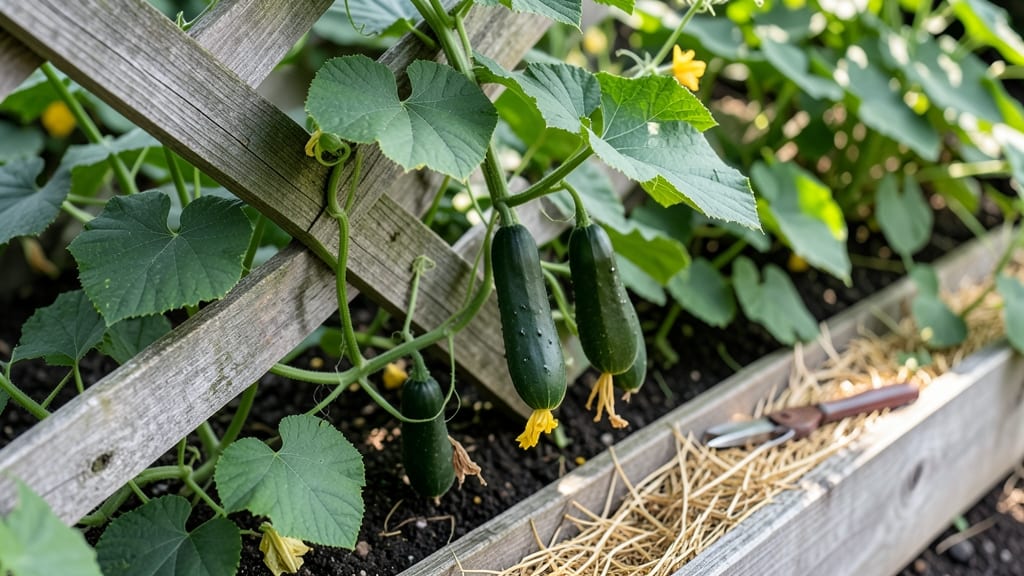
The burpless hybrid cucumber plant I grew last summer was a total game-changer—crisp, sweet, and impossible to mess up. 🌱 The difference between these and regular cucumbers is night and day: no bloating, no bitter surprises. just pure garden-fresh flavor that turns into pickles or salads without the guesswork.
The secret starts with the right soil: loose, well-draining mix with compost worked in. These cucumbers thrive in full sun (6-8 hours daily) and need consistent moisture—think of a damp sponge, not a soggy one.
Trellising is non-negotiable; vines sprawl like overenthusiastic toddlers if left unchecked, but vertical growth keeps fruits clean and productive. By mid-summer, you’ll be harvesting 10-15 cucumbers per plant weekly, each one perfectly tender and free of that dreaded bitterness. The key?
Pick them young—3-6 inches long—and avoid letting them overripe on the vine. Even my black thumb couldn’t kill these plants, and neither will yours. For troubleshooting, watch for powdery mildew (spray with neem oil) and cucumber beetles (cover young plants with row fabric).
And yes, they do produce more than you can eat—so plan for sharing (or freezing). Ready to grow the easiest, most rewarding cucumbers ever?
📚 In This Guide
- What you need
- Instructions
- Tips and common mistakes
- Wrapping up and next steps
What you need
- ● Burpless Hybrid Cucumber Seeds: 5–10 seeds (or 2–3 plants if using transplants). Look for varieties like ‘Diva’, ‘Sweet Success’, or ‘Marketmore 76’.
- ● Containers or Garden Bed: Containers: 5-gallon pots or larger (1 per plant). Ensure they have drainage holes!
- ● Garden Bed: Full sun (6+ hours/day) and well-draining soil. Raised beds are ideal.
- ● Potting Mix or Soil: Lightweight, organic mix (e.g., Miracle-Gro Potting Soil or homemade blend: 60% compost, 30% coco coir, 10% perlite).
- ● Fertilizer: Balanced Fertilizer: 10-10-10 or 5-5-5 (start with 1 tbsp per plant at planting).
- ● Compost: Aged, 2–3 cups per plant (mixed into soil).
- ● Trellis or Cage: 4–6 ft tall (e.g., tomato cages or bamboo stakes). Supports vining varieties and improves airflow!
- ● Watering Can or Hose: With a gentle spray nozzle (avoid wetting leaves to prevent disease).
- ● Mulch: Straw or shredded leaves (2–3 inches thick) to retain moisture and suppress weeds.
- ● Pruning Shears: For trimming vines and harvesting.
- ● Gloves: To protect hands from thorns (some hybrids have mild prickles!).
- ● pH Test Kit: Ideal soil pH for cucumbers: 6.0–6.8.
- ● Shade Cloth: 30–50% coverage for hot climates (prevents sunscald).
- ● Plant Labels: To track varieties and planting dates.
- ● Know your last frost date—plant seeds 1–2 weeks after the last frost (or start indoors 3–4 weeks earlier).
- ● Check for pests like cucumber beetles or aphids. Neem oil or row covers can help!
- ● Plan for consistent watering (1–2 inches per week). Drip irrigation works best.
Step-by-step guide for growing burpless hybrid cucumbers
Here's how to cultivate these high-yield, stomach-friendly cucumbers like a pro.
🌱 Step 1: Select the Perfect Planting Location
Burpless hybrids thrive in full sun with at least 6-8 hours of direct sunlight daily. Choose a spot that receives morning sun and afternoon shade in hot climates—this prevents fruit from becoming bitter. I always test my garden's sun exposure by placing a white board in the spot for a week; if it stays cooler than 95°F, it's ideal.
These cucumbers grow vigorously, so give each plant 2-3 feet of space in rows spaced 4-5 feet apart. If growing vertically, provide a sturdy trellis or cage—this saves space and improves air circulation, reducing disease risk. I use bamboo poles with chicken wire wrapped around them because they're sturdy yet affordable.
🪴 Step 2: Prepare Soil and Plant with Care
Burpless hybrids love rich, well-draining soil with a pH between 6.0 and 6.8. Work in 2-3 inches of compost or aged manure before planting to boost fertility. These cucumbers are heavy feeders, so I add a balanced 10-10-10 fertilizer at planting time to ensure steady growth.
Plant seeds ½ inch deep when soil temperatures reach 60°F or warmer. Space seeds 1 inch apart in hills, then thin to 2-3 plants per hill once seedlings have 2 true leaves. Water gently after planting to settle the soil—avoid soaking, which can wash seeds deeper than intended.
💧 Step 3: Water and Feed for Maximum Yield
Consistent moisture is key for burpless hybrids. Water 1-2 inches per week, keeping soil evenly damp but never soggy. I water deeply in the morning to reduce fungal diseases and let excess moisture evaporate during the day. Drip irrigation works best—it delivers water directly to the roots without wetting the leaves.
Feed plants every 2-3 weeks with a liquid fertilizer high in potassium and phosphorus to encourage fruiting. I switch to a low-nitrogen, high-potassium formula once flowers appear to boost fruit production. Watch for yellowing leaves—this often signals a nitrogen deficiency, but over-fertilizing can lead to excessive foliage and fewer cucumbers.
✂️ Step 4: Prune and Support for Healthy Growth
Pinch off the first flowers that appear to encourage stronger vine development. Burpless hybrids produce both male and female flowers—look for tiny cucumbers forming at the base of female blooms. Once the main vine reaches your trellis, gently tie it to the support with soft plant ties or old fabric strips to avoid damaging the stems.
Prune suckers (side shoots) that grow in the crotch of the main stem and leaves. These compete for energy, reducing fruit production. I remove any yellow or diseased leaves immediately to prevent spread. Harvest cucumbers when they reach 6-8 inches long for peak flavor—leaving them too long can cause bitterness, even in burpless varieties.
🌿 Step 5: Harvest and Maintain Through the Season
Harvest cucumbers every 2-3 days during peak production to encourage continuous fruiting. Use sharp pruning shears or a knife to cut stems, leaving a small stub to prevent disease entry. I harvest in the morning when cucumbers are crispest and store them in the fridge for up to 5 days.
As the season progresses, reduce watering slightly in late summer to concentrate flavors. If vines slow down, give them a final feeding with compost tea to boost nutrients. Watch for pests like cucumber beetles—handpick them early in the day when they're sluggish, or use row covers to protect young plants.
Tips & tricks for growing burpless hybrid cucumbers
These pro-level insights will help you maximize your harvest while avoiding common pitfalls that can turn your garden into a bitter disappointment.
Sun Exposure Secret: The 6-8 hours of daily sunlight is non-negotiable, but here's what nobody tells you—morning sun is more important than afternoon. If you're in a hot climate, that afternoon shade isn't just about preventing bitterness; it's about protecting your plants from heat stress that can stunt growth. I've seen cucumbers wilt dramatically when exposed to unrelenting afternoon sun, even when soil moisture is perfect. Consider using shade cloth (30-50%) during peak afternoon hours if your location doesn't naturally provide shade.
Soil Preparation Game-Changer: When amending your soil with 2-3 inches of compost, don't just spread it on top and scratch it in. Dig it down at least 6 inches deep—this creates a nutrient-rich zone where roots can access what they need. I like to mix in a handful of bone meal (high in phosphorus) when preparing the planting holes to give those early roots a growth boost. The pH test is crucial too—if your soil tests outside 6.0-6.8, amend with sulfur to lower pH or lime to raise it before planting.
Watering Wisdom: That 1-2 inches of water per week guideline works, but timing matters just as much. I've found the best results come from watering deeply every other morning rather than daily light sprinkles. The key is getting moisture to the roots where it's needed, not just wetting the surface. Install a rain gauge nearby to track exactly how much water you're applying—many gardeners underestimate how much water they're actually giving their plants, especially with sprinklers.
Harvest Timing Technique: The 6-8 inch size recommendation is perfect, but here's how to tell when they're truly ready: Gently press your thumb along the cucumber's length. If it feels firm with just a hint of give (like a ripe avocado), it's harvest time. Waiting until they're completely hard means you've missed the window for peak flavor. I harvest with a pair of sharp pruning shears, leaving a 1-inch stem stub—this prevents disease entry points while still allowing the plant to continue producing.
Pro Tips for Burpless Hybrid Cucumber Plant
- These pro-level insights will help you maximize your harvest while avoiding common pitfalls that can turn your garden into a bitter disappointment.
- Sun Exposure Secret: The 6-8 hours of daily sunlight is non-negotiable, but here's what nobody tells you—morning sun is more important than afternoon.
- Soil Preparation Game-Changer: When amending your soil with 2-3 inches of compost, don't just spread it on top and scratch it in.
Frequently asked questions
Got questions about growing burpless hybrid cucumber plants? You’re not alone! Here are answers to the most common queries—so you can enjoy a bloat-free harvest with confidence.
What’s the best time to plant burpless hybrid cucumbers?
Plant burpless hybrids after the last frost when soil temps hit 60–65°F (15–18°C). In warm climates, start in early spring; in cooler zones, wait until late spring/early summer. They thrive in full sun (6–8 hours/day) and need warmth to germinate—so avoid planting too early!
How long does it take for burpless cucumbers to produce fruit?
Expect 50–70 days from planting to harvest, depending on the variety. Vines mature quickly—so provide trellis support early to keep plants off the ground. Pick fruits frequently (every 2–3 days) to encourage more production. Patience pays off with crisp, flavorful slices in no time!
Are burpless cucumbers really burpless? Can I trust the name?
Yes! These hybrids are genetically bred to reduce the "burp factor" caused by cucurbitacin, a compound in some cucumbers. However, taste varies by variety—always check labels for "burpless" or "seedless" guarantees. If you’re sensitive, try ‘Diva’ or ‘Sweet Success’ for the mildest flavor.
What should I do if my burpless cucumber plants wilt suddenly?
Sudden wilting often signals overwatering, heat stress, or disease (like powdery mildew). Check soil moisture—cucumbers need 1–1.5 inches of water weekly but hate soggy roots. Prune lower leaves for airflow, and avoid wetting foliage. If wilting persists, test for pests (like cucumber beetles) or fungal issues. Mulch helps retain moisture without drowning roots!
Can I grow burpless cucumbers in containers? What’s the ideal pot size?
Choose a 5-gallon pot (or larger) with drainage holes and fill with well-draining potting mix. Use a trellis or cage to save space—vines can grow 6–8 feet long! Place containers in full sun and fertilize every 2–3 weeks with a balanced, water-soluble feed. Just ensure pots stay steady in wind!
Wrapping up and next steps
Growing burpless hybrid cucumber plants is your ticket to a bloat-free, high-yield harvest that’ll make your garden—and your taste buds—happy! 🌱 With the right variety, soil prep, and care, you’ll enjoy crisp, flavorful cucumbers without the digestive drama.
Whether you’re a seasoned gardener or just starting, these tips will set you up for success.
Ready to take the next step? Start with a few seeds or seedlings this season and watch your garden thrive! For even better results, experiment with companion planting or trellising to maximize space and productivity. Happy growing—your future salads (and stomachs) will thank you! 🥒✨