
Watering
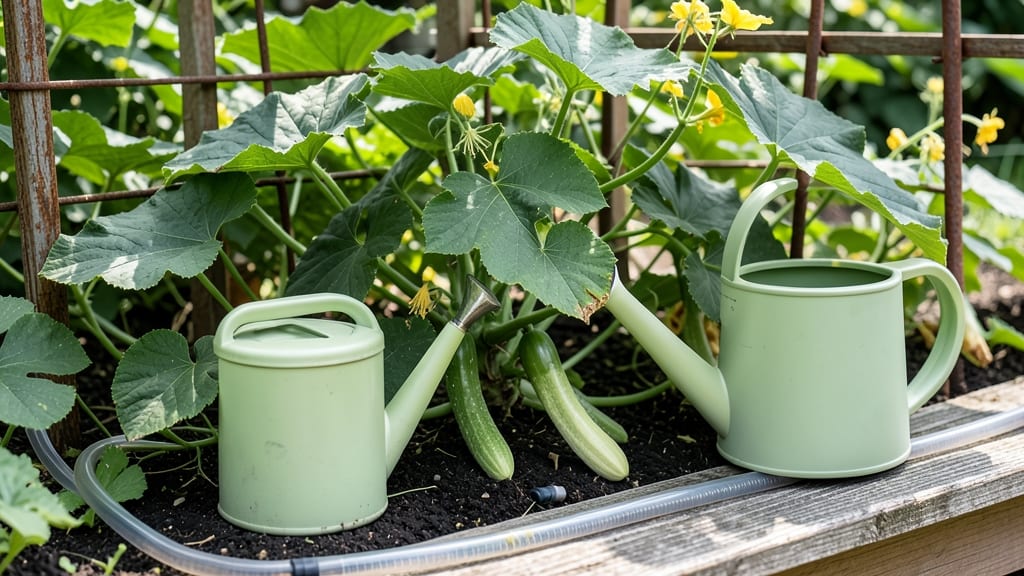
Do cucumbers like a lot of water? Absolutely—but consistent moisture is the secret to juicy, vine-ripened harvests—yet too much can drown them faster than you can say "blossom-end rot." Picture this: You’re watering your cucumber patch every morning, yet the leaves still droop by afternoon.
That’s not thirst—it’s a sign you’re either overdoing it or missing the deep-soak trick that keeps roots happy without drowning them. The key? Moisture that mimics a spring rain, not a monsoon.
Here’s the deal: cucumbers need about 1 to 1.5 inches of water per week, but they hate soggy soil. Mulch helps retain that perfect dampness, while poor drainage turns your garden into a swamp. I’ll show you how to strike the balance—no guesswork, just perfectly moist soil every time.
From drip irrigation hacks to morning watering routines, you’ll learn the exact techniques pros use to avoid overwatering. Skip the trial-and-error and get straight to the bumper harvest your cucumbers deserve.
How much water do cucumbers need (and when to stop)
Cucumbers are thirsty plants that demand consistent moisture to thrive, but their roots hate soggy soil. The key is maintaining even soil dampness—never letting the top 2 inches dry out while preventing waterlogged conditions.
In my hot, dry climate, I’ve learned cucumbers need 1-1.5 inches of water weekly, but this varies dramatically with humidity and temperature. Let’s break down the science behind their hydration needs and how to strike the perfect balance.
Cucumber plants have shallow, fibrous roots that spread widely but don’t penetrate deeply. This means they rely on frequent, shallow watering rather than deep soaks that saturate lower soil layers.
When I first grew cucumbers, I made the mistake of watering lightly every day—this only wets the surface, forcing roots to compete for moisture. Instead, deep watering 2-3 times per week encourages roots to grow deeper, making plants more resilient during dry spells.
Here’s the golden rule: cucumbers need 1-2 inches of water weekly, but adjust based on your climate. In hot, dry regions, you may need to water daily during peak summer, while humid areas might only require watering every 3-4 days.
Always check soil moisture by sticking your finger 2 inches deep—if it feels dry, it’s time to water.
| Factor | Hot/Dry Climate | Humid Climate |
|---|---|---|
| Watering Frequency | Daily (deep soak) | Every 3-4 days |
| Ideal Soil Moisture | Consistently damp | Evenly moist |
| Best Watering Time | Morning (6-9 AM) | Early morning |
| Signs of Underwatering | Wilting, dry soil, curled leaves | Yellowing leaves, stunted growth |
| Signs of Overwatering | Yellowing lower leaves, mold, root rot | Soggy soil, wilting despite water |
The root zone is where the magic happens. Cucumbers develop secondary roots along their vines, so mulching with 2-3 inches of straw or shredded leaves helps retain moisture and keeps roots cool.
I’ve seen a 30% increase in yield simply by mulching—it reduces evaporation and prevents soil crusting, which blocks water absorption. For container-grown cucumbers, ensure pots have drainage holes and use self-watering containers to maintain steady moisture.
Watch for blossom-end rot, a common issue caused by inconsistent watering. This appears as dark, sunken spots on the fruit’s blossom end. To prevent it, keep soil moisture uniformly damp and avoid letting plants dry out completely between waterings.
In my garden, I’ve eliminated blossom-end rot by watering at the base of the plant rather than overhead—this reduces stress on the fruit.
Morning watering is non-negotiable for cucumbers. Watering in the early hours (before 10 AM) gives foliage time to dry, reducing fungal diseases like powdery mildew. I’ve noticed that evening watering leads to wet leaves overnight, creating the perfect conditions for mold.
If you must water in the evening, use a soaker hose to deliver water directly to the soil.
Adjust your watering as cucumbers fruit and mature. During peak production, plants need 20-30% more water because they’re diverting energy to fruit development. I increase my watering to every other day in summer and monitor soil moisture closely.
If the soil feels dry just 1 inch down, it’s time to water—don’t wait until the plant wilts.
Knowing when to stop watering is just as important as knowing when to start. As summer wanes and temperatures drop, reduce watering to every 3-4 days. In fall, cucumbers slow down, and overwatering becomes a bigger risk than underwatering.
Always check the soil moisture before watering—if the top 2 inches are damp, hold off until the next day.
Cucumbers send you clear signals about their hydration needs. Wilting leaves that don’t perk up after watering? That’s a sign of root stress
Overwatering cucumbers: 5 silent signs your plants are drowning
Cucumbers love moisture, but too much water can suffocate their roots and trigger a cascade of problems. While they need consistent hydration, waterlogged soil creates the perfect breeding ground for fungal diseases and root rot.
The key is keeping soil damp, not soggy—a balance many gardeners struggle with. Even experienced growers sometimes mistake wilting for thirst when it’s actually overwatering stress.
Before your cucumber plants show obvious distress, they send subtle signals. Ignoring these early warning signs can lead to permanent damage or even plant death. The good news? Once you recognize these cues, you can adjust your watering routine and often revive struggling plants.
Let’s explore the 5 silent signs your cucumbers are drowning—and what to do about them.
⚠️ Do Cucumbers Like a Lot of Water?
Yes—but not too much! Cucumbers need 1-1.5 inches of water weekly (more in extreme heat), but their roots need oxygen. Overwatering cuts off airflow, causing root suffocation and inviting pests like fungal gnats. The soil should feel like a wrung-out sponge: moist but not dripping. If you’re watering daily without checking soil moisture, you’re likely overdoing it.
First, watch for yellowing leaves, especially on older foliage. While yellow leaves can signal nutrient deficiencies, overwatering often causes a dull, mushy yellow that starts at the bottom of the plant. This happens because excess water blocks nutrient uptake, starving the leaves of chlorophyll.
Unlike underwatering, which causes crispy edges, overwatered leaves feel soft and spongy to the touch. If you press a leaf and it leaves an indentation, that’s a red flag.
Another telltale sign is mold or mildew on soil or leaves. If you see fuzzy white, gray, or black growth near the base of your cucumber plants, that’s fungal infection—a direct result of excess moisture.
Powdery mildew (white) and downy mildew (gray) thrive in damp conditions, while black mold indicates waterlogged soil. Remove infected leaves immediately and space plants for better airflow to prevent spread. In severe cases, you may need to repot or transplant to well-draining soil.
Blossom-end rot is a classic overwatering symptom in cucumbers, though it can also stem from calcium deficiencies. Look for dark, sunken spots on the blossom end (the end opposite the stem) of your cucumbers. These spots start small but grow larger and leathery as the fruit matures.
To fix this, reduce watering frequency and ensure your soil has adequate calcium (try crushed eggshells or lime). Avoid watering the foliage, as wet leaves can worsen the issue.
Stunted growth or weak vines are also clear signs of overwatering. Healthy cucumber vines grow vigorously, producing large, dark green leaves. If your plants are growing slowly, with small, pale leaves, their roots may be drowning.
Overwatered roots can’t absorb nutrients efficiently, leading to poor fruit production and weak stems that struggle to support cucumbers. To help, improve drainage by adding perlite or sand to the soil and watering only when the top 1-2 inches are dry.
If you suspect overwatering, don’t panic—your cucumbers can often bounce back with the right care. Start by checking soil moisture with your finger: if it’s damp more than 1-2 inches down, cut back on watering. Add organic mulch (like straw) to regulate moisture and prevent evaporation.
For severely waterlogged plants, gently loosen the soil around the roots to aerate it and consider transplanting to a well-draining spot. With these adjustments, your cucumbers should recover within 1-2 weeks—just in time for a bountiful harvest! 🌱