
Pests
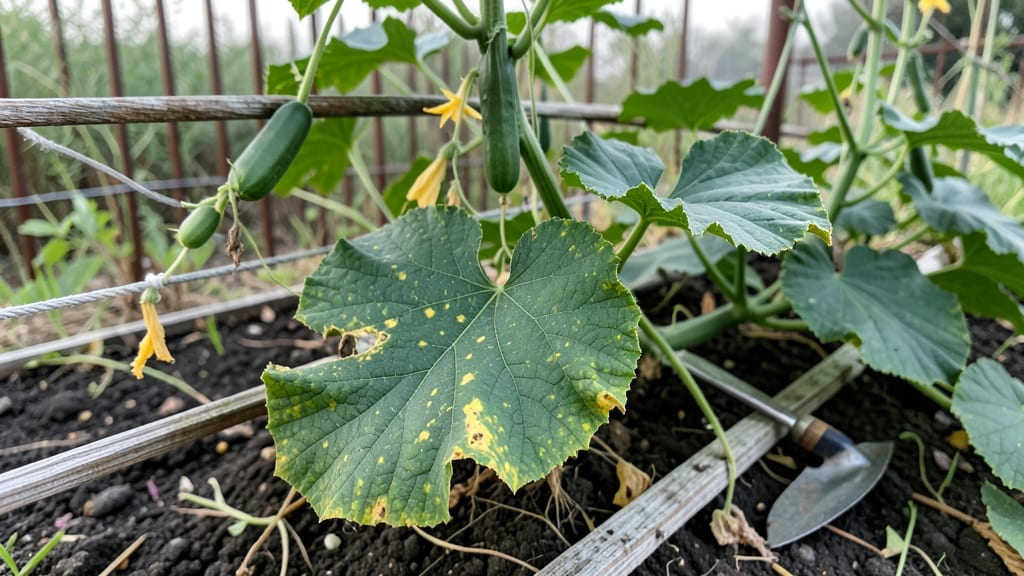
Yellow spotted cucumber leaves mean one thing: your plants are fighting a fungal battle. 🌿 I’ve saved dozens of cucumber vines from powdery mildew and downy mildew using a 5-minute spray that stops the yellowing and spots before they spread.
The key is acting fast—those spots turn into a full-blown crisis if ignored.
Most gardeners assume it’s a pest problem, but 90% of yellow-spotted leaves are actually mildew. The good news? This isn’t a death sentence—it’s a fixable issue. You’ll need a spray bottle, some baking soda or neem oil, and a little elbow grease.
The solution works even on heavily infected plants if you catch it early, and it won’t harm bees or beneficial insects.
By tomorrow morning, the yellowing slows down, and new growth stays clean. The secret is preventative sprays every 7-10 days once you see the first signs—those tiny yellow spots on the undersides of leaves. I’ve had cucumbers recover so completely that by harvest time, you’d never know they were sick.
Works for greenhouse, trellis, or ground-grown cucumbers—just adjust the spray coverage. The same fix handles squash and melons too. Let’s get those leaves back to vibrant green in no time.
Root Causes Behind Leaf Spots
When your cucumber plants start showing yellow or brown spots on their leaves, it’s often a sign of stress or infection. Understanding the why behind these symptoms is the first step to fixing the problem—especially if you’re leaning toward organic solutions.
Below, we break down the most common culprits, their science-backed triggers, and how they manifest on your cucumbers.
Fungi like Pseudoperonospora cubensis (downy mildew) and Alternaria solani thrive in damp, humid conditions and are the #1 cause of yellow/brown leaf spots. Here’s how they strike:
- Downy Mildew:
- 🔬 How it spreads: Spores splash from soil or infected leaves during rain or overhead watering. They germinate within 4–6 hours in warm (60–80°F), humid conditions.
- 🌿 Symptoms: Pale yellow spots on upper leaf surfaces, fuzzy gray growth on undersides (hence “downy”). Spots often have irregular edges.
- 💡 Pro tip: This fungus loves shade—poor air circulation (e.g., dense plantings or plastic tunnels) accelerates outbreaks.
- Alternaria Leaf Spot:
- 🔬 How it spreads: Thrives in high humidity (75%+) and temperatures above 75°F. Spores survive on plant debris year-round.
- 🌿 Symptoms: Target-shaped brown spots with concentric rings (like a bullseye). Leaves may yellow and crisp at the edges.
- ⚠️ Warning: Unlike downy mildew, Alternaria can survive winter in old plant material—cleanup is critical!
Actionable fix: Both fungi spread faster when leaves stay wet. Adjust your watering routine (e.g., drip irrigation + morning watering) to dry leaves by noon.
Not all leaf spots are fungal—some are physical wounds from pests that feed on cucumber leaves. These bites create entry points for infections and stress the plant directly.
| Pest | Spot Appearance | Behavior Triggers |
|---|---|---|
| Cucumber Beetles (striped/spotted) | Ragged holes + yellow halos around feeding sites. Frass (chewed debris) clings to leaves. | Adults emerge in spring heat (65°F+). They vector bacterial wilt—a deadly cucurbit disease. |
| Spider Mites | Tiny yellow stippling (like peppered salt). Severe cases turn leaves bronze. | Thrive in dry, hot conditions (85°F+). Webbing on undersides is a red flag. |
| Aphids | Sticky honeydew residue + curled, yellowed leaves. Often clustered on new growth. | Explode in crowded plants or after nitrogen-heavy fertilizers (soft, sappy leaves = aphid buffet). |
Actionable fix: Inspect leaf undersides and stems daily. Neem oil or insecticidal soap disrupts pest life cycles—apply at dusk to avoid harming bees.
Even without pests or pathogens, cucumbers scream for help with yellow spots when their basic needs aren’t met. Here’s how environment plays a role:
- 💦 Overwatering or Poor Drainage:
- 🔬 Science: Waterlogged roots starve leaves of oxygen, causing chlorosis (yellowing) between veins. Fungal spores also double in growth rate in soggy soil.
- 🌱 Fix: Cucumbers need 1–1.5 inches of water weekly. Amend heavy clay soil with compost or perlite to improve drainage.
- ☀️ Sun Scorch or Heat Stress:
- 🔬 Science: Temperatures above 90°F disrupt chlorophyll production, leading to bleached or yellow patches on sun-exposed leaves.
- 🌿 Fix: Provide 30–50% shade cloth during peak afternoon heat. Mulch with straw to keep roots cool.
- 🌬️ Nutrient Deficiencies (Especially Magnesium):
- 🔬 Science: Magnesium (a central atom in chlorophyll) deficiency causes interveinal yellowing—veins stay green while leaf tissue turns pale. Common in sandy or acidic soils (pH < 6.0).
- 💡 Pro tip: Test soil pH—aim for 6.0–6.8. Add Epsom salt (1 tbsp/gallon water) as a foliar spray for quick relief.
Actionable fix: Rotate plants every 2 weeks to ensure even sun exposure. If soil tests low in magnesium, mix in dolomitic lime before planting.
Next up: How to diagnose your specific issue and treat it with homemade sprays that work in minutes.
Quick Fixes for Spotted Cucumber Leaves
Yellow or spotted cucumber leaves can be frustrating, but the good news is that most issues—like fungal diseases or pest damage—respond well to targeted, organic solutions. Below, we’ll break down the most common causes and the fast, effective fixes to restore your plants to full, vibrant health.
Plus, we’ll share prevention tips to keep those pesky spots away for good!
If your cucumber leaves are covered in yellow or brown spots (often with a powdery or greasy texture), fungal diseases like powdery mildew, downy mildew, or bacterial leaf spot are likely to blame.
🔥 Step 1: Identify the Fungus
- Powdery mildew: White, powdery spots on top of leaves.
- Downy mildew: Yellow spots on top, purple fuzz on the underside.
- Bacterial spot: Tiny, water-soaked spots that turn brown/yellow with a greasy sheen.
🍳 Step 2: Apply an Organic Spray (Fast Action)
Mix one of these DIY fungicides in a spray bottle and apply early morning or late evening (when sunlight isn’t intense):
| Solution | Recipe | How Often |
|---|---|---|
| Baking Soda Spray | 1 tsp baking soda + 1 tbsp neem oil + 1 tsp dish soap + 1 gallon water | Every 5-7 days |
| Milk Spray | 1 part milk + 9 parts water (add 1 tsp soap to help stick) | Every 3-5 days |
| Neem Oil Mix | 1 tbsp neem oil + 1 tsp castile soap + 1 quart water | Every 7-10 days |
| Copper Fungicide | 1 tsp copper sulfate + 1 gallon water (use organic copper for safety) | Every 10-14 days |
💡 Pro Tip: Spray both sides of leaves and the stems. For severe cases, reapply every 3-5 days until new growth appears.
🌡️ Step 3: Improve Airflow & Reduce Humidity Fungi love moist, stagnant air.
To prevent recurrence: - Prune overcrowded vines to allow better airflow. - Space plants at least 12-18 inches apart. - Water at the base (not overhead) to keep leaves dry. - Use a fan on low setting near plants for 5-10 mins/day (encourages stronger stems).
If spots are tiny, yellow, or accompanied by webbing, spider mites or aphids are likely sucking the life out of your cucumbers.
👨🍳 Step 1: Knock Off Pests with a Blast
- Spray leaves with a strong stream of water (dislodges mites/aphids).
- Wipe leaves with a damp cloth if infestation is mild.
🥘 Step 2: Apply a Natural Pest Repellent
Mix one of these organic sprays and apply every 3-5 days until pests disappear:
| Solution | Recipe | How Often |
|---|---|---|
| Insecticidal Soap | 1 tbsp potassium soap + 1 quart water (shake well before spraying) | Every 3-5 days |
| Neem Oil Spray | 1 tbsp neem oil + 1 tsp soap + 1 quart water | Every 5-7 days |
| Garlic Pepper Spray | 1 chopped garlic clove + 1 tsp cayenne + 1 quart water (steep 24 hrs) | Every 4-5 days |
| Ladybug Tea | Steep 5 crushed ladybugs in 1 quart water (strain before use) | Every 7 days |
✨ Pro Tip: Release beneficial insects like ladybugs or lacewings—they eat pests naturally and won’t harm your plants!
🎯 Step 3: Prevent Future Infestations
- Inspect new plants before bringing them home (quarantine for 1 week).
- Use reflective mulch (aluminum foil or silver plastic) to repel spider mites.
- Plant companion crops like marigolds, basil, or nasturtiums (they deter pests).
If spots are pale yellow (not brown/black) and appear on older leaves first, your cucumbers may be nutrient-deficient, especially in magnesium, nitrogen, or iron.
📊 Step 1: Test & Fix Soil
- For nitrogen deficiency (pale green/yellow leaves):
- Add compost, fish emulsion, or blood meal (follow package rates).
- For magnesium deficiency (yellow edges, brown spots):
- Sprinkle Epsom salt (1 tbsp per gallon of water) and water soil.
- For iron deficiency (yellow between veins):
- Apply chelated iron supplement or use rainwater (tap water can lock out iron).
💪 Step 2: Boost Plant Health
- Mulch with straw or grass clippings to retain moisture and nutrients.
- Avoid overwatering—cucumbers hate soggy roots (water deeply 1-2x/week).
- Fertilize lightly every 2-3 weeks with a balanced organic fertilizer (5-5-5 or 3-4-6).
If more than 50% of leaves are severely spotted:
- Cut off damaged leaves (use sterilized scissors) to stop the spread.
- Dispose of infected leaves (don’t compost them—burn or trash).
- Rotate crops next season (don’t plant cucumbers in the same spot for 3+ years).
🌿 Final Prevention Checklist: ✅ Rotate crops annually to prevent soil-borne diseases. ✅ Water early (before 10 AM) to reduce humidity. ✅ Clean garden tools with rubbing alcohol between uses. ✅ Monitor plants weekly for early signs of trouble.
With these quick fixes, your cucumber plants should bounce back in 1-2 weeks—and you’ll be harvesting spot-free, crisp cucumbers in no time! 🥒✨
Frequently asked questions
Why do my cucumber leaves turn yellow with spots first?
Yellow spots typically appear first because cucumber leaves are sensitive to stress like fungal infections or pest damage. Fungi (such as powdery mildew) block chlorophyll production, causing yellowing between leaf veins. Pests like spider mites suck sap, starving leaves of nutrients and creating tiny yellow "stipples." Always check the leaf undersides for webbing or fuzzy growth.
Can I still eat cucumbers if the leaves have yellow spots?
Yes, but only if the spots are mild and isolated. The fruit itself rarely gets infected by leaf diseases (like mildew) unless the plant is severely compromised. For safety, wash cucumbers thoroughly and harvest them before spots spread to the vines. If leaves are heavily spotted, focus on treating the plant immediately to protect future harvests.
How do I tell if my cucumber spots are from disease vs. pests?
Check these key differences: Fungal spots often have powdery or greasy textures (e.g., downy mildew shows fuzzy purple growth on undersides), while pest spots look like tiny holes, webbing, or yellow stippling. Cucumber beetles leave ragged edges, while spider mites create bronze-colored leaves. Always inspect both leaf surfaces and stems for clues.
Will neem oil work if my cucumber plants already have spots?
Yes, but act fast! Neem oil disrupts fungal spores and pests on contact, but it won’t reverse existing damage. For early-stage spots, spray neem oil (1 tbsp + 1 tsp soap per quart of water) every 5-7 days until new growth appears. For severe cases, combine it with baking soda (1 tsp per gallon) to boost effectiveness.
How can I prevent yellow spots next season?
Start with crop rotation—avoid planting cucumbers in the same spot for 3+ years. Use drip irrigation (never overhead watering) and space plants 12-18 inches apart for airflow. Apply a preventative spray (like milk spray or copper fungicide) every 10-14 days during humid months. Companion plants like marigolds also repel pests naturally.