
Diseases
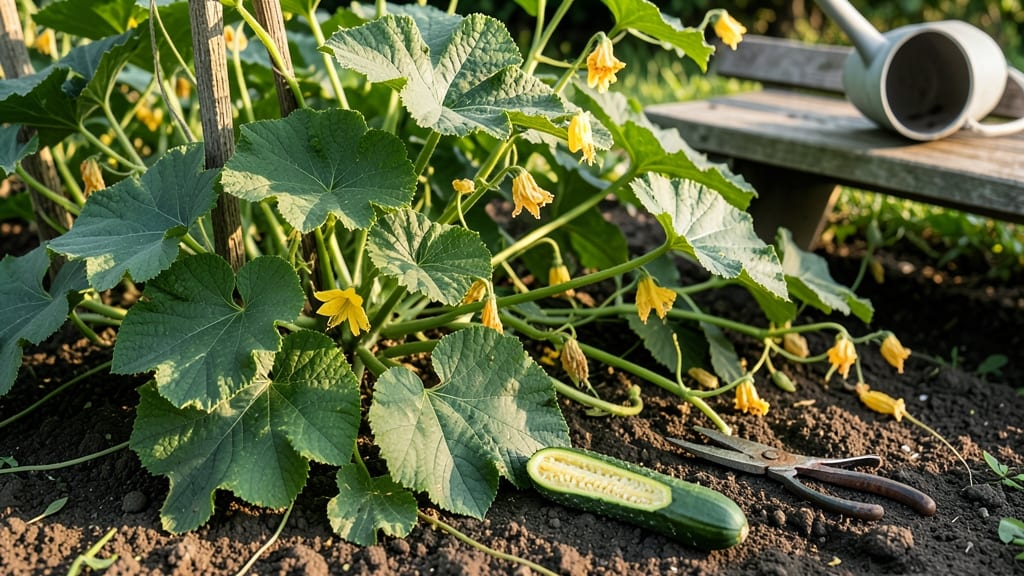
That creamy yellow inside your cucumber isn't just overripe—it's a sign something went wrong in the garden. 🌱 Whether it's bacterial wilt, pest damage, or poor pollination, the fix starts with understanding why your cucumbers look like this.
I've seen this happen after heavy rains or when cucumber beetles chew through the vines, and the results are always the same: bitter, unusable fruit.
The good news? You can prevent it next season with simple steps—like rotating crops, controlling pests early, and watering at the base (not the leaves) to avoid fungal spread.
Even if you already have affected plants, removing them immediately stops the problem from spreading to healthy vines. Think of it as a quick reset for your garden's health.
What you'll end up with are crisp, green cucumbers that stay fresh longer and taste like the ones you remember from summer markets. The key is acting fast—once those yellow streaks appear, the plant is already compromised. But with the right approach, your next harvest will be picture-perfect.
Works for both backyard gardens and container growers—just adjust the spacing and watch for those early warning signs. Here's how to turn things around before your whole crop turns yellow.
Root Causes of Yellowing Cucumbers
Understanding why your cucumber turns yellow inside is the first step to preventing it. Here’s a breakdown of the most common culprits, backed by science and actionable insights:
Cucumbers are harvested young for their crisp, fresh flavor, but left too long on the vine or in storage, they’ll inevitably turn yellow inside. This happens because:
- Cellular Breakdown: As cucumbers age, their cells break down due to enzymatic activity. The chlorophyll (the green pigment) degrades, revealing xanthophylls (yellow pigments) naturally present in the fruit.
This is a sign of overripening, not spoilage—yet. - Sugar Conversion: Starches in the cucumber convert to sugars, altering texture and flavor.
The flesh softens and turns pale yellow or white, often accompanied by a slightly sweet, mushy taste. - Water Loss: Overripe cucumbers lose moisture, making them waxy and less hydrated. This accelerates the yellowing process, especially in warm, dry conditions.
Pro Tip: 💡 Harvest cucumbers when they’re firm, dark green, and 6–8 inches long for peak freshness. If you miss the window, store them in the fridge (not the crisper drawer) to slow ripening.
Pests like squash vine borers, cucumber beetles, or aphids can introduce bacteria or physically damage the fruit, leading to internal yellowing. Here’s how it works:
- Entry Points for Pathogens: Insect bites or scratches create wounds where harmful bacteria (like Erwinia spp., which causes soft rot) can enter.
These bacteria thrive in the cucumber’s moist flesh, breaking down tissues and turning them yellow, mushy, and foul-smelling. - Fungal Infections: Fungi like Fusarium or Alternaria can also invade through damage, causing discolored, water-soaked spots that turn yellow or brown over time. - Secondary Contamination: Once pests compromise the skin, the cucumber becomes vulnerable to mold and fermentation, accelerating yellowing and spoilage.
Action Step: 🔥 Inspect plants regularly for chewed leaves, holes, or wilting. Use row covers to block pests early, and remove damaged fruits immediately to prevent spread.
Even if harvested at the right time, cucumbers can turn yellow inside if stored improperly. Key triggers include:
- Ethylene Gas Exposure: Cucumbers are ethylene-sensitive, meaning they ripen faster when exposed to this gas (released by apples, bananas, or overripe produce). Storing them near ethylene producers speeds up yellowing and softening. - Temperature Fluctuations: Ideal storage temp is 45–50°F (7–10°C).
Heat (above 55°F/13°C) or cold (below 40°F/4°C) stresses the fruit, triggering premature ripening and yellowing. - High Humidity Traps: While cucumbers need humidity, excess moisture (like in a sealed plastic bag) promotes mold growth and bacterial activity, turning the inside yellow and slimy.
Storage Hack: ✨ Store cucumbers unwashed in a perforated plastic bag in the crispest part of the fridge (not the door). Avoid stacking them—airflow prevents ethylene buildup.
Stressed cucumber plants may produce fruits with off-color flesh, including yellowing. Common stressors:
- Lack of Water: Drought stress causes uneven ripening and poor pigment development, leading to pale yellow or white streaks inside. Cells don’t get enough water to maintain chlorophyll. - Nitrogen Deficiency: Yellowing can start at the stem end (a sign of poor nitrogen uptake).
While this usually affects leaves first, severe deficiency can cause pale, yellowish flesh. - Calcium Deficiency: Known as "blossom end rot" in tomatoes, calcium deficiency in cucumbers can cause internal browning or yellowing, especially near the seeds.
This happens when soil pH is too high (>7.0) or too low (<6.0), blocking calcium absorption.
Fix It: 💪 Amend soil with compost or balanced fertilizer (10-10-10) and mulch to retain moisture. For calcium, add crushed eggshells or lime if your soil is acidic.
Fixing Yellow Cucumbers Fast
Got a cucumber with an unappetizing yellow interior? Don’t toss it yet—this issue is usually fixable with a few simple steps. Below, we’ve broken down the most common causes and matched them with practical solutions to restore your cucumber’s freshness (or salvage what’s left).
Plus, we’ll share prevention tips to keep future harvests crisp and green!
Signs: Soft flesh, yellow or mushy center, bitter taste. Why it happens: Cucumbers picked too early or left on the vine too long develop excess sugars, turning yellow and losing crunch.
✅ How to Fix It 1. 🍳 Check for Edibility - Slice the cucumber lengthwise.
If the yellowing is only in the center and the outer flesh is still firm, you can trim the affected core and use the rest in recipes where texture isn’t critical (like soups, smoothies, or pickling). - If the entire cucumber is mushy or bitter, compost it—it’s past saving.
- 👨🍳 Repurpose in Cooking - Pickling: Overripe cucumbers make great fermented pickles—the acidity helps break down the sugars, reducing bitterness. - Smoothies or Juices: Blend with citrus (lemon/lime) and herbs (mint, basil) to mask flavors.
The yellow flesh adds a mild sweetness. - Curries or Stews: Dice and simmer in coconut milk or tomato sauce to balance flavors.
- 🌡️ Prevent Future Issues
- Harvest at the right time: Pick cucumbers when firm, dark green, and 6–8 inches long (varies by variety).
- Store properly: Keep in the fridge (not the door) in a paper towel-lined container to absorb excess moisture and slow decay.
- Avoid ethylene exposure: Store away from apples, bananas, or tomatoes, which release gases that speed up ripening.
Signs: Yellow streaks, soft spots, mold, or tiny holes (from insects). Why it happens: Pests (like cucumber beetles) or fungal diseases (e.g., gummy stem blight) create entry points for bacteria, causing discoloration.
✅ How to Fix It
- 🔪 Trim and Salvage
- Cut out only the visibly damaged areas (yellow/moldy patches). If the rest of the cucumber is firm, it’s safe to eat.
- Disinfect your knife with rubbing alcohol between cuts to avoid cross-contamination.
- 🍲 Use in Cooked Dishes - Roasted or Grilled: Toss chunks in olive oil, salt, and spices, then roast at 400°F (200°C) for 20 minutes.
Heat can neutralize some fungal toxins. - Sautéed with Garlic & Herbs: Cook with onions, garlic, and fresh herbs to enhance flavor and mask off-notes.
- 💡 Prevent Pest & Fungal Issues
- Rotate crops: Avoid planting cucumbers in the same spot yearly.
- Use row covers: Protect plants from beetles and other pests.
- Spray neem oil: A natural fungicide that deters insects and diseases.
- Remove affected leaves: Prune and destroy infected plant parts immediately.
Signs: Yellowing near the stem, water-soaked patches, or a rubbery texture. Why it happens: Overwatering, underwatering, or storing cucumbers in plastic bags traps moisture, leading to decay.
✅ How to Fix It
- 🥗 Quick Rescue for Mild Cases
- Pat dry any damp spots and store in a breathable container (like a paper bag or mesh produce bag) in the fridge.
- Use within 1–2 days for salads or snacks.
- 🍅 Best Uses for Damaged Cucumbers
- Gazpacho or Cold Soups: Blend with tomatoes, peppers, and herbs—the yellow flesh blends in.
- Tzatziki or Raita: Grate and mix with yogurt, garlic, and dill. The texture softens, making it ideal for dips.
- 🎯 Storage & Watering Tips
- Water deeply but infrequently: Aim for 1 inch of water per week (adjust for climate).
- Avoid wet foliage: Water at the base, not the leaves, to prevent fungal growth.
- Store upright: Place cucumbers in a container with the stem end up to slow moisture loss.
If your cucumber is too far gone, don’t waste it!
Here are creative uses for the scraps: - 🌱 Compost: Shred and add to your compost pile (unless moldy—then toss in the trash). - 🍃 Cucumber Water: Simmer peels and ends with water, strain, and use as a refreshing facial toner (cooling for puffiness). - 🐝 Bee Feed: Hang slices in your garden to attract pollinators (they love the sugars!).
Pro Tip: 💡 Always cut off at least ½ inch around any yellow or moldy areas—fungus can spread invisibly!
Frequently asked questions
Why does my cucumber turn yellow inside but stay green outside?
This usually happens when cucumbers overripen on the vine or get damaged by pests like cucumber beetles. The outer skin stays green because it protects the fruit, while the inside breaks down due to natural sugar conversion or bacterial entry through wounds. Check for tiny holes or soft spots—those are red flags for pest damage.
Is a cucumber with yellow inside still safe to eat?
It depends! If only the center is soft and yellow (no mold or foul smell), you can trim the bad part and use it in cooked dishes like soups or stir-fries. But if the whole cucumber is mushy or smells off, compost it—bacteria like Erwinia can cause foodborne illness. Always cut off at least ½ inch around any questionable areas.
How can I prevent cucumbers from turning yellow inside next season?
Start by harvesting at the right size (6–8 inches) and picking frequently to avoid overripening. Use row covers to block pests, water at the base (not leaves), and store cucumbers upright in the fridge. Rotate crops yearly to prevent soil-borne diseases, and test your soil pH—calcium deficiencies can also cause yellowing.
Can I save a cucumber that’s already yellow inside?
Yes! If the outer flesh is still firm, slice it lengthwise and trim the yellow core. Use the good parts in recipes where texture isn’t critical, like pickling or smoothies. For mild cases, try roasting or sautéing—the heat can neutralize some off-flavors. Just avoid raw salads if the cucumber smells funky or has mold.
Why do my store-bought cucumbers turn yellow inside faster than homegrown ones?
Store-bought cucumbers are often picked early for shipping and treated with wax to extend shelf life. This disrupts natural ripening, causing faster yellowing inside. Homegrown cucumbers ripen more slowly because they’re harvested at peak freshness and lack preservatives. Store them in a paper bag in the fridge to slow the process.