
Pests
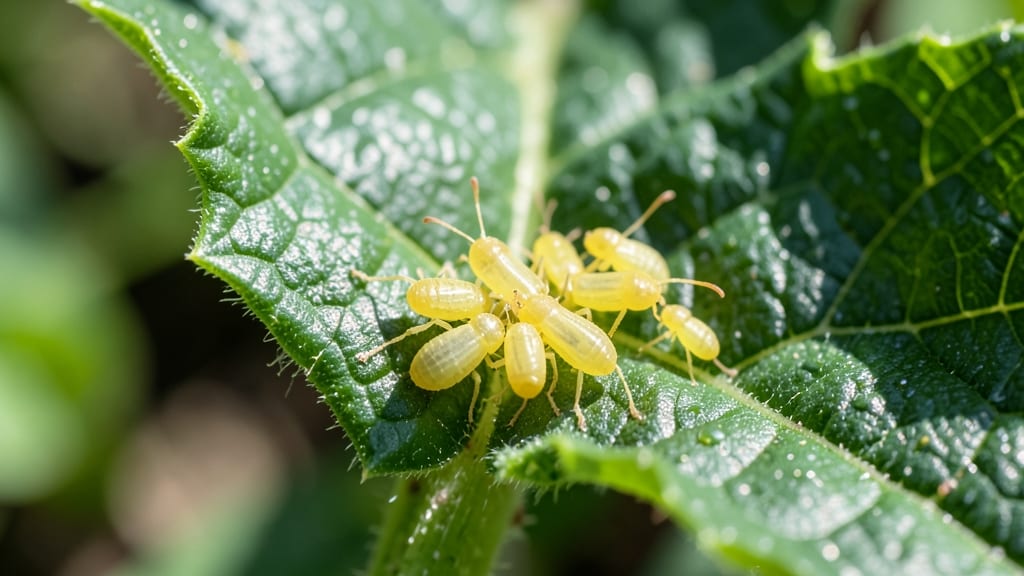
Yellow bugs on cucumber plants mean your harvest is under attack—these striped invaders chew leaves, spread disease, and stunt growth faster than you can say "pickle season." 🌱 I’ve battled them in my garden for years, and the key is acting fast before they turn your vines into skeleton leaves.
The damage starts with ragged edges on leaves, then moves to wilting vines and shriveled fruits. These beetles aren’t picky—they’ll munch on squash, melons, and even your prized tomatoes if left unchecked. The good news? Organic control works, but you’ve got to start now before they multiply.
You’ll learn how to spot them (they’re yellow with black stripes, about the size of a pencil eraser), handpick them without gloves, and use row covers or neem oil sprays to keep them off for good. By next week, your cucumbers could be thriving again—no chemicals needed.
This works for any cucurbit (that’s the fancy term for cucumber-family plants), whether you’re growing in the ground or containers. Let’s get those bugs off your plants before they ruin your crop!
Root Causes Behind Sudden Infestations
Understanding why tiny yellow pests invade your cucumber plants is the first step to stopping them in their tracks. These unwelcome visitors rarely appear out of nowhere—they’re drawn by specific conditions in your garden.
Let’s break down the science behind their arrival and why your cucumbers might be sending out a "help wanted" sign.
Yellow bugs, like aphids, cucumber beetles, or spider mites, are opportunistic feeders. A stressed cucumber plant is like an all-you-can-eat buffet to them. Here’s why they target weakened foliage:
- Nutrient Deficiencies: Plants lacking nitrogen (💡 look for pale yellow leaves) or other essential nutrients become less resilient. Bugs detect these deficiencies through plant volatiles—chemical signals that scream, "I’m an easy meal!" - Overwatering or Underwatering: Both extremes stress plants.
Overwatering leads to root rot and fungal issues, while drought causes wilting. Bugs thrive in plants that can’t fight back. - Compacted Soil: Poor drainage or hard soil restricts root growth, weakening the plant’s immune response.
Yellow pests exploit this by feeding on sap or laying eggs in vulnerable spots.
Actionable Fix: Conduct a soil test to check pH and nutrient levels. Amend soil with compost or organic fertilizer to boost plant vigor. Mulch around plants to retain moisture and regulate soil temperature.
Cucumbers love space, but when plants grow too close together, they create the perfect pest paradise. Here’s how overcrowding plays a role:
- Limited Airflow: Dense foliage traps humidity, creating a moist microclimate that spider mites and fungal gnats adore. Yellow aphids also cluster in shaded, humid areas where they’re less likely to dry out. - Shared Resources: Overcrowded plants compete for sunlight, water, and nutrients, weakening their defenses.
A single infested plant can quickly spread pests to neighbors via wind or crawling insects. - Harboring Spots: Leaf litter and debris accumulate in crowded gardens, providing hiding spots for eggs and adult pests. Yellow bugs like cucumber beetles often overwinter in leaf debris before emerging in spring.
Actionable Fix: Space cucumber plants 2–3 feet apart (or use trellises for vertical growth). Prune regularly to improve airflow, and remove fallen leaves or weeds where pests might hide.
Not all yellow bugs are harmful—some, like hoverfly larvae, are beneficial predators. However, when beneficial insects are scarce, pests take over. Here’s how pollinator dynamics influence infestations:
- Lack of Natural Predators: Yellow aphids and spider mites are often controlled by ladybugs, lacewings, or parasitic wasps.
If your garden lacks these predators (due to pesticide use or habitat loss), pests multiply unchecked. - Monoculture Planting: Growing only cucumbers creates a "green desert" for predators, which prefer diverse gardens with flowers like dill, fennel, or marigolds.
Without these, yellow pests dominate. - Seasonal Shifts: Early spring or late summer may see fewer pollinators, giving pests a temporary advantage. Yellow bugs like striped cucumber beetles emerge en masse during these gaps.
Actionable Fix: Plant companion flowers (e.g., nasturtiums, alyssum) to attract predator insects. Avoid broad-spectrum pesticides that kill beneficials, and introduce predator-friendly habitats like small water sources or leaf litter piles.
Yellow bugs thrive in specific weather conditions. Sudden changes or extreme weather can tip the balance in their favor:
- Warm, Dry Spells: Spider mites and aphids multiply faster in heat (above 80°F), and dry conditions make plants more susceptible to their feeding.
Their yellow or pale color helps them absorb heat efficiently. - High Humidity: Fungal gnats and soft-bodied pests like whiteflies love humidity, which also weakens plant defenses.
Yellowing leaves from humidity stress signal to pests that the plant is struggling. - Rain Followed by Sun: Wet soil and sudden sunshine create the perfect storm for cucumber beetles, which emerge from soil to feed on damp, tender leaves.
Actionable Fix: Use shade cloth during heatwaves to protect plants. Improve drainage to reduce soil moisture retention, and avoid overhead watering, which can spread pests. Drip irrigation keeps foliage dry.
Sometimes, well-meaning gardening practices backfire. Here’s how human intervention can invite yellow bugs:
- Transplanting Infested Plants: Buying or moving cucumber plants without inspecting them for eggs or pests can introduce infestations.
Yellow aphids or beetles may be hiding on stems or undersides of leaves. - Poor Sanitation: Reusing containers, tools, or compost from last season’s garden can transfer pest eggs or larvae.
Yellow bugs like cucumber beetles lay eggs in soil that overwinter until spring. - Chemical Overuse: Synthetic pesticides kill beneficial insects first, creating a vacuum that pests rush to fill. Even organic sprays can disrupt the ecosystem if overapplied.
Actionable Fix: Inspect new plants thoroughly before transplanting. Sterilize tools and containers with a 10% bleach solution. Rotate planting areas annually to break pest life cycles.
Fix yellow invaders naturally
Now that you’ve identified the culprits—whether they’re aphids, cucumber beetles, or spider mites—it’s time to act! The good news? You don’t need harsh chemicals to reclaim your cucumber patch. Below are targeted, organic solutions tailored to each pest, plus prevention tips to keep your plants thriving long-term.
Signs: Clusters of sticky, yellowish bugs on new growth or undersides of leaves.
How to Remove Them
- 💦 Blast Them Off with Water
- Use a strong stream of water from a hose to dislodge aphids. Repeat every few days until they’re gone.
- Pro tip: 🌡️ Do this in the early morning so leaves dry quickly, preventing fungal issues.
- 🍵 Soapy Water Spray
- Mix 1 tsp mild liquid soap (like Castile soap) with 1 quart of water.
- Spray directly on aphids (avoid oversaturating leaves to prevent damage).
- Repeat every 3–4 days until infestation clears.
- 🐝 Encourage Natural Predators
- Ladybugs, lacewings, and parasitic wasps love aphids. Plant dill, fennel, or marigolds nearby to attract them.
Signs: Yellow-orange beetles with black stripes, chewed leaves, and wilting plants.
How to Trap and Eliminate Them
- 🍎 Yellow Sticky Traps
- Hang yellow sticky cards near plants to catch adult beetles before they lay eggs.
- Place traps 2–3 feet above ground for best results.
- 🥔 Row Covers for Prevention
- Use floating row covers (lightweight fabric) to block beetles while allowing pollination.
- Remove covers when flowers appear to let bees do their job.
- 🔥 Neem Oil Spray (For Severe Cases)
- Mix 1 tbsp neem oil + 1 tsp mild soap + 1 quart water.
- Spray evenly on leaves (especially undersides) every 5–7 days.
- Warning: 🌡️ Apply in cool weather to avoid burning plants.
Signs: Fine webbing on leaves, yellow stippling, and a dusty appearance.
How to Combat Them
- 💦 Rinse Off with Water
- Spider mites hate humidity. Give plants a gentle shower to knock them off.
- Do this daily for 3–4 days during outbreaks.
- 🌿 Neem Oil or Horticultural Oil
- Spray neem oil solution (as above) to smother mites and eggs.
- Reapply every 5–7 days until no more webbing appears.
- 🌱 Boost Plant Health
- Spider mites thrive on stressed plants. Ensure cucumbers get:
- Consistent watering (keep soil moist but not soggy).
- Balanced fertilizer (too much nitrogen = weak defenses).
- Spider mites thrive on stressed plants. Ensure cucumbers get:
To keep yellow bugs away long-term, try these proactive strategies:
- 🌱 Rotate Crops – Avoid planting cucumbers in the same spot yearly to disrupt pest life cycles.
- 🌿 Plant Companion Flowers – Marigolds, nasturtiums, and basil repel pests naturally.
- 🌱 Use Mulch – Straw or grass clippings suppress weeds and deter beetles.
- 🕰️ Early Monitoring – Check plants weekly for early signs of infestation.
- 🌱 Choose Resistant Varieties – Some cucumber types (like ‘Straight Eight’ or ‘Lemon’) are less appealing to pests.
Remember: 🌱 Patience and consistency are key—most organic methods take 1–2 weeks to show full results. Once your cucumbers are pest-free, you’ll enjoy crisp, healthy harvests all season long!
Frequently asked questions
What are those tiny yellow bugs on my cucumber plants?
Those are most likely cucumber beetles (yellow with black stripes) or aphids (soft-bodied, yellowish). Cucumber beetles chew leaves while aphids suck sap, both causing yellowing and stunted growth. Check undersides of leaves—they love hiding there!
Can I just pick them off by hand?
Yes! Handpicking works for both beetles and aphids. Drop them into soapy water to kill them instantly. Do this early in the morning when they’re sluggish, and repeat daily for 5-7 days to break their life cycle. Wear gloves if you’re squeamish—these bugs can be annoying!
Why do I keep seeing them even after spraying?
Pests often return because eggs remain hidden in soil or leaf litter. After treating, remove all fallen leaves and mulch thoroughly. For beetles, use yellow sticky traps to catch adults before they lay more eggs. Consistency is key—reapply organic sprays every 5-7 days until no new bugs appear.
Will neem oil harm my cucumber plants?
Neem oil is safe when used correctly! Mix 1 tbsp neem oil + 1 tsp mild soap + 1 quart water and spray evenly on leaves. Apply in cool weather (below 85°F) to avoid leaf burn. Always test a small area first, and don’t spray during flowering if you want to protect pollinators.
How can I prevent future infestations?
Start with row covers when planting to block beetles, then add companion plants like marigolds or nasturtiums to repel pests. Rotate crops yearly and keep your garden weed-free—weeds harbor pest eggs. Healthy soil with compost also makes plants more resilient!