
Vegetables
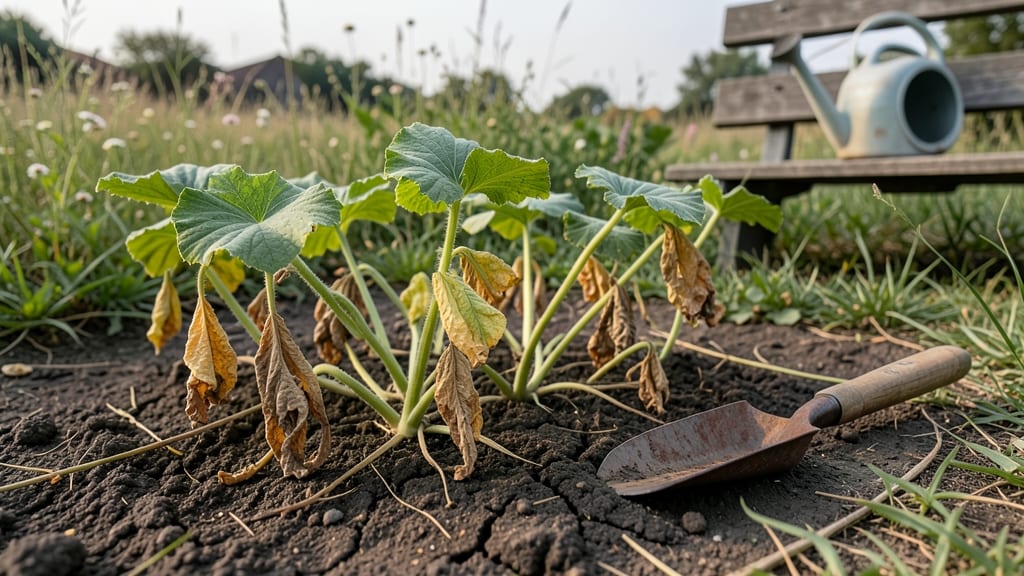
Wilted cucumber seedlings can turn into crisp harvests in just a few days with the right fix. 🌱 I’ve saved more than a dozen batches of droopy starts by tackling the root causes—whether it’s soggy soil, too much heat, or hidden pests—before they become permanent losses.
The key is acting fast and checking the basics first.
Most wilting starts with overwatering or poor drainage, which suffocates roots and invites fungal rot. I learned this the hard way when my first batch turned into a sad, mushy mess after a heavy rain.
But even if the soil feels dry, root damage from pests like cucumber beetles or sudden temperature swings can cause the same droop. Start by gently inspecting stems and soil for clues.
Within 24-48 hours, you can often revive seedlings by adjusting watering, providing shade, and treating any pests you spot. A simple mix of neem oil and water can stop beetles in their tracks, while a light layer of mulch keeps roots cool and moist.
The best part? Once you fix the issue, your seedlings bounce back stronger, ready to grow into productive vines.
This method works for both container and in-ground seedlings, and it’s foolproof for gardeners of all levels. The secret is patience—wilting often feels like a death sentence, but cucumbers are tougher than they look. Let’s get those plants perking up!
Root Causes Of Seedling Wilting
Understanding why your cucumber seedlings suddenly droop or wilt is the first step toward reviving them. Wilting in young cucumber plants is rarely a death sentence—it’s usually a distress signal from your plants.
Let’s break down the most common culprits, why they happen, and what’s really going on in the soil and stems.
When cucumber seedlings wilt after watering, the issue is often too much moisture—either from overwatering or soil that can’t drain properly. Here’s the science:
- Root suffocation: Cucumber roots need oxygen to breathe. Waterlogged soil forces roots to gasp for air, leading to anaerobic stress (a lack of oxygen).
This causes roots to rot and stop absorbing water, making leaves wilt despite soggy soil. - Fungal infections: Excess moisture creates a breeding ground for Pythium and Phytophthora, fungi that clog root cells and block water uptake.
You’ll often see yellowing leaves after wilting. - Salt buildup: Overwatering with tap water (high in minerals) can leave behind salts that osmotically stress roots, making it harder for plants to pull up moisture.
Actionable fix: Let the top 1–2 inches of soil dry between waterings. Use pots with drainage holes and a soil mix designed for seedlings (50% potting soil, 30% perlite, 20% compost). If your garden soil is clay-heavy, amend it with sand or coconut coir to improve drainage.
On the flip side, wilting can also mean your seedlings are thirsty. Cucumbers are 90% water, and even a slight drop in turgor pressure (the water pressure inside cells) causes wilting.
- Plasma membrane damage: When cells lose too much water, their membranes shrink away from the cell walls, disrupting nutrient transport.
This is reversible if caught early but can lead to permanent damage if severe. - Stomatal closure: Under drought stress, leaves close their stomata (pores) to conserve water, slowing photosynthesis.
This weakens the plant over time, making it more susceptible to pests or disease. - Root shrinkage: Roots shrink when dehydrated, reducing their surface area for water absorption. This creates a vicious cycle—less water uptake = more wilting.
Actionable fix: Water deeply (1–2 inches into the soil) in the morning to reduce evaporation. Use drip irrigation or a soaker hose to deliver water directly to the roots. Mulch with straw or shredded leaves to retain moisture.
If wilting starts after transplanting, the issue is likely physical stress to the roots. Cucumbers have delicate, fibrous root systems that bruise easily.
- Root pruning: Even slight root damage during transplanting disrupts the plant’s ability to absorb water and nutrients.
Roots take 3–7 days to regenerate new hairs (the tiny structures that absorb water). - Temperature shock: Moving seedlings from a warm greenhouse to a cooler outdoor environment can cause cold stress, slowing root growth and water uptake. - Soil pH mismatch: If the new soil’s pH is too high (alkaline) or too low (acidic), roots struggle to access nutrients like phosphorus or iron, leading to wilting.
Actionable fix:
- Hardening off seedlings gradually (expose them to outdoor conditions for 1–2 weeks before transplanting).
- Use root stimulants (like mycorrhizal fungi or seaweed extract) to encourage faster regrowth.
- Transplant on a cloudy day to reduce temperature shock.
Wilting can be a symptom of hidden invaders chewing on roots or blocking vascular tissue.
- Aphids & Spider Mites: These pests pierce leaves and stems, injecting toxins that cause wilting. They also spread viral diseases like cucumber mosaic virus. - Root-Knot Nematodes: Microscopic worms that burrow into roots, creating galls (lumpy growths) that disrupt water flow.
Infested plants wilt even when watered. - Fungal Wilts (Verticillium/Fusarium): These soil-borne fungi clog xylem vessels (the plant’s water pipes), causing sudden, irreversible wilting. Look for yellowing leaves or vascular discoloration when you cut a stem.
Actionable fix:
- Inspect roots and stems for holes, galls, or black streaks.
- Treat aphids with neem oil or insecticidal soap.
- For nematodes, solarize soil (cover with clear plastic for 4–6 weeks) or plant marigolds as a trap crop.
- Remove infected plants immediately to prevent spread.
Wilting can also signal that your seedlings aren’t getting the right macronutrients (nitrogen, phosphorus, potassium).
- Potassium (K) Deficiency: Critical for osmoregulation (balancing water pressure in cells).
Without enough K, cells can’t hold onto water, leading to wilting—even in well-watered soil. - Magnesium (Mg) Deficiency: Leads to chlorosis (yellowing between leaf veins), but severe cases can disrupt photosynthesis, weakening the plant’s ability to sustain itself. - Calcium (Ca) Deficiency: Causes blossom-end rot in older leaves and root tips to die back, reducing water absorption.
Actionable fix:
- Test your soil with a DIY kit or send a sample to a lab.
- For quick fixes:
- Potassium: Use banana peel tea or greensand.
- Magnesium: Sprinkle Epsom salt (magnesium sulfate) around the base.
- Calcium: Apply crushed eggshells or lime (if soil is acidic).
Extreme conditions—whether too hot, too cold, or too windy—can cause wilting even in healthy seedlings.
- Heat Stress: Temperatures above 90°F (32°C) cause stomatal closure (leaves roll up to conserve water). Young seedlings can’t regulate heat well, leading to protein denaturation (cells break down). - Cold Stress: Below 50°F (10°C), cucumber growth slows, and cell membranes stiffen, reducing water uptake.
Frost can crystallize cell contents, killing tissue. - Windburn: High winds desiccate leaves by increasing evaporation faster than roots can replace it. Seedlings with shallow root systems are especially vulnerable.
Actionable fix:
- Shade cloth (30–50%) for seedlings in hot climates.
- Row covers or cloche tunnels for cold protection.
- Windbreaks (like cornstalks or burlap screens) to reduce evaporation.
If your soil is too dense (from foot traffic, machinery, or poor structure), roots can’t expand properly.
- Restricted root growth: Compacted soil limits oxygen and water movement, forcing roots to grow in a small, stressed zone.
- Reduced microbial activity: Beneficial fungi and bacteria (like mycorrhizae) struggle to thrive, weakening the plant’s nutrient network.
Actionable fix:
- Aerate soil with a garden fork or gypsum (calcium sulfate) to break up clay.
- Add compost or leaf mold to improve soil structure.
- Avoid walking on garden beds where seedlings are planted.
Revive Your Cucumber Plants Now
Wilted cucumber seedlings can feel like a gardening nightmare, but with the right steps, you can often nurse them back to health—or even prevent future drooping in the first place.
Below, we’ve mapped out practical fixes for the most common causes, along with prevention tips to keep your plants thriving. Let’s get those cucumbers perking up again! 🌱💦
Signs: Yellowing leaves, mushy stems, or seedlings that feel soggy when touched.
How to Fix It:
- 🚰 Stop Watering Immediately
- Let the soil dry out slightly before watering again. Overwatering suffocates roots by cutting off oxygen.
- 🪴 Improve Drainage
- If your pots or garden bed retain too much water, add perlite, sand, or compost to loosen the soil.
- For containers, ensure they have drainage holes—no exceptions!
- 🌡️ Adjust Your Watering Routine
- Water deeply but infrequently—aim for 1 inch of water per week (adjust for rain).
- Water at the base of the plant (not the leaves) to avoid fungal diseases like powdery mildew.
💡 Prevention Tip: Use a moisture meter or the "finger test"—stick your finger 1 inch into the soil. If it’s damp, wait before watering.
Signs: Wilting during the day that recovers at night, crispy leaf edges, or seedlings leaning away from the sun.
How to Fix It:
- 🌿 Provide Partial Shade
- Move seedlings to a spot with morning sun and afternoon shade, especially in hot climates.
- Use shade cloth (30-50%) if direct sun is unavoidable.
- 💦 Boost Hydration
- Water early in the morning so leaves dry quickly, reducing heat stress.
- Mulch around the base with straw or grass clippings to retain moisture.
- 🌱 Acclimate Gradually
- If seedlings were indoors or in low light, harden them off by exposing them to 1-2 hours of sun per day, increasing slowly.
💡 Prevention Tip: Choose heat-tolerant cucumber varieties like ‘Straight Eight’ or ‘Marketmore 76’ if you live in a hot region.
Signs: Chewed leaves, sticky residue (aphids), or white powdery spots (fungus).
How to Fix It:
- 🔍 Identify the Culprit
- Pests? Check for aphids, cucumber beetles, or spider mites.
- Fungus? Look for powdery mildew (white powder) or downy mildew (yellow spots).
- 🛡️ Treat Pests Naturally
- Neem oil spray (mix 1 tbsp neem oil + 1 tsp mild soap + 1 quart water) to deter insects.
- Handpick larger pests like cucumber beetles in the morning (they’re sluggish then).
- Introduce beneficial insects like ladybugs or lacewings.
- 🌿 Fight Fungal Diseases
- Remove infected leaves immediately and dispose of them (don’t compost!).
- Spray with baking soda solution (1 tsp baking soda + 1 quart water + a few drops of soap) every 7-10 days.
- Improve air circulation by spacing plants 12-24 inches apart.
💡 Prevention Tip: Rotate crops—don’t plant cucumbers in the same spot yearly to prevent soil-borne diseases.
Signs: Wilting after repotting, roots circling the container, or stunted growth.
How to Fix It:
- 🪴 Repot with Fresh Soil
- Gently remove the seedling and loosen tangled roots with your fingers.
- Plant in a larger container (at least 12 inches deep) with well-draining potting mix.
- 💧 Water Thoroughly After Repotting
- Give a deep watering to help roots establish in the new soil.
- Avoid fertilizing for 1-2 weeks to prevent root burn.
- 🌿 Support Weak Seedlings
- Use small stakes or cages to prop up wobbly stems while they recover.
💡 Prevention Tip: Start with the right-sized pot—seedlings need at least 3-4 inches of depth to begin with.
Signs: Wilting in cold snaps, yellowing leaves, or slow growth despite proper watering.
How to Fix It:
- 🌡️ Protect from Cold Drafts
- Cover seedlings with frost cloth if temperatures dip below 50°F (10°C).
- Move pots to a sheltered spot (like near a south-facing wall).
- 🌱 Warm Up the Soil
- Cucumber seeds need soil temps of 60-90°F (15-32°C) to germinate and grow.
- Use black plastic mulch or a seedling heat mat if starting indoors.
- 🔄 Refresh the Soil
- If soil is too compacted or nutrient-poor, mix in compost or aged manure for a boost.
💡 Prevention Tip: Test your soil pH—cucumbers prefer 6.0-6.8. Adjust with lime (to raise pH) or sulfur (to lower it) if needed.
If your seedlings are beyond revival, don’t toss them! Cucumbers can sometimes regrow from:
- Healthy stems (cut just below a leaf node and root in water).
- Side shoots (if the main stem is dead, new growth may emerge).
🎯 Final Pro Tip: Keep a gardening journal to track watering, sunlight, and issues—it’ll help you spot patterns and prevent future wilting!
With these steps, your cucumber seedlings should bounce back in no time. Happy gardening! 🌿💚
Frequently asked questions
Why do my cucumber seedlings wilt so quickly after watering?
Overwatering is the #1 culprit—it suffocates roots by cutting off oxygen, causing anaerobic stress. Check if your soil feels soggy or if your pots lack drainage holes. Let the top 1-2 inches dry between waterings, and use a mix of 50% potting soil, 30% perlite, and 20% compost for better airflow.
Can wilting cucumber seedlings recover if I cut off the damaged leaves?
Yes, but only if the roots are still healthy! Trim only the yellow or crispy leaves—never more than 1/3 of the plant at once. Focus on fixing the root cause (water, pests, or heat) while keeping the remaining foliage hydrated. Most seedlings bounce back in 24-48 hours with proper care.
How do I tell if wilting is from overwatering vs. underwatering?
Overwatered seedlings feel soggy at the base and may have yellowing leaves, while underwatered ones have dry, crispy soil and dry stems. Stick your finger 1 inch deep—if it’s damp, you’re overwatering; if dry, it’s thirsty. Cucumbers need 1 inch of water per week (adjust for rain).
Will neem oil help wilted cucumber seedlings with pests?
Mix 1 tbsp neem oil + 1 tsp mild soap + 1 quart water and spray early in the morning to deter aphids, spider mites, and cucumber beetles. Neem disrupts pests’ life cycles while being safe for plants. Apply every 7-10 days for prevention.
Can I save wilted seedlings if they’ve been wilting for over 3 days?
It depends! If stems are still semi-firm (not mushy), they may recover with immediate fixes: stop watering, improve drainage, and provide shade. If stems are black or hollow, fungal wilt (like Verticillium) has likely set in—remove the plant to prevent spread.