
Diseases
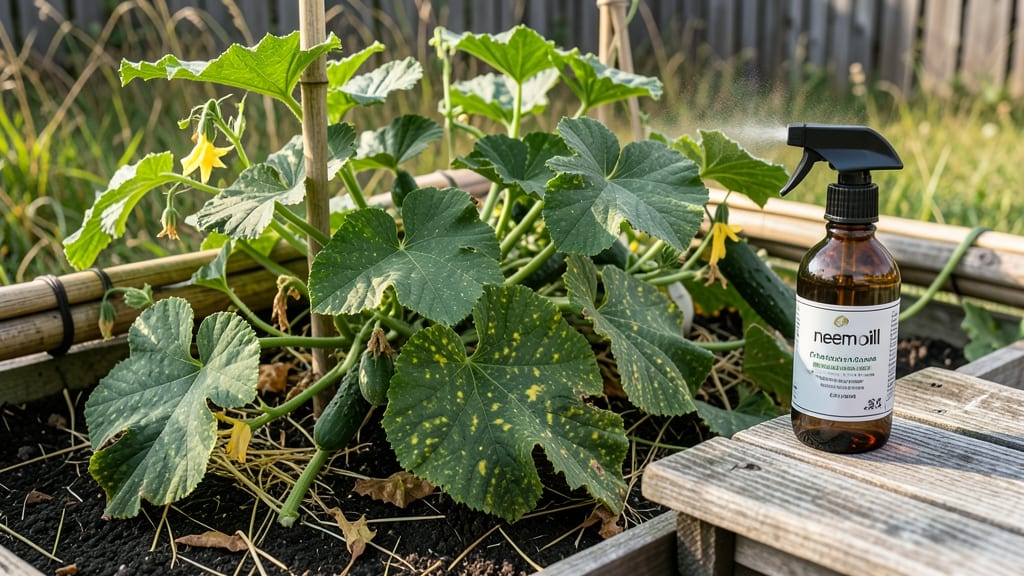
This cucumber mosaic virus treatment—organic sprays, timing, and sanitation—can turn your yellowed cucumbers back into a thriving harvest, and here’s what’s proven to work. 🌱 off the virus’s food source before it spreads.
My first year fighting this, I lost half my garden to it—until I learned the right mix of neem oil, baking soda, and copper soap.
This virus thrives on weak plants, so strengthening your defenses matters more than the spray itself. Start by removing infected leaves immediately (gloves on!) and disinfecting tools with rubbing alcohol. Healthy plants resist better, so focus on balanced fertilizer and proper spacing—crowded plants invite trouble.
I now keep a separate spray bottle for each treatment to avoid cross-contamination, and it’s made a huge difference.
By combining neem oil sprays every 7-10 days with a baking soda mix (1 tablespoon per gallon of water), you’ll see new growth push through faster. The goal isn’t to cure infected plants—it’s to protect the healthy ones and keep the virus from jumping to tomatoes or peppers.
Think of it like a shield: consistent, preventative, and relentless.
Here’s the game-changer: prevention is easier than cleanup. Rotate crops yearly, avoid touching infected plants when handling healthy ones, and always start with clean soil. My garden’s now 90% virus-free after switching to this routine—no more wasted seasons. Let’s get those plants fighting back.
Why it happens
The cucumber mosaic virus (CMV) doesn’t just appear out of nowhere—it thrives due to a mix of environmental, biological, and human factors. Understanding these root causes is key to preventing outbreaks and protecting your garden.
Below, we break down the real reasons this stubborn virus takes hold, so you can act before it spreads.
🌱 Weakened Plant Immunity
CMV exploits plants that are already stressed or compromised. When plants are nutrient-deficient, underwatered, or overcrowded, their natural defenses weaken, making them prime targets for viral invasion. For example:
- Nitrogen deficiency reduces chlorophyll production, stunting growth and leaving plants vulnerable.
- Poor drainage leads to root rot, which stresses the plant systemically.
- Lack of sunlight (especially in dense foliage) weakens photosynthesis, lowering energy reserves needed to fight infections.
Pro tip: 💡 Regularly test soil pH (ideal: 6.0–7.0) and amend with compost to boost plant resilience.
🐛 Vector-Borne Transmission
CMV isn’t airborne like some viruses—it relies on insect vectors to hop from plant to plant. The most notorious culprits are:
- Aphids (green peach, potato, or melon aphids): These sap-sucking pests excrete viral particles as they feed, infecting up to 80% of plants they visit.
- Leafhoppers and whiteflies: Less common but equally effective at spreading CMV over long distances.
Even one infected plant in your garden can turn into an epidemic if vectors go unchecked. Actionable fix: 🔥 Use neem oil sprays or introduce ladybugs to control aphid populations before they spread the virus.
🌿 Contaminated Tools and Hands
CMV can survive on gardening tools, gloves, and even your shoes for days. If you prune an infected plant and then touch a healthy one without sanitizing, you’re essentially carrying the virus like a virus delivery service. Common pathways include:
- Reusing pruners or knives on multiple plants without disinfecting (use 70% rubbing alcohol or bleach solution).
- Moving soil or compost from infected areas to healthy beds.
- Touching infected leaves and then handling seedlings or transplants.
Pro tip: 🧼 Keep a bleach spray bottle (1 part bleach to 9 parts water) nearby for quick tool sanitization.
🌍 Seed and Graft Transmission
Unlike many viruses, CMV can linger in seeds and transmitted through grafting, making it a stealthy long-term threat. Here’s how:
- Systemic infection: Once CMV infects a plant, it spreads to every part, including seeds. Even if the parent plant looks healthy, the virus can hide in the genetic material.
- Grafting infected scions: If you graft a CMV-positive cutting onto a healthy rootstock, the virus will colonize the entire plant within weeks.
Prevention tip: ✨ Purchase seeds from certified disease-free suppliers and avoid grafting unless you’ve tested stock for CMV.
🌡️ Favorable Environmental Conditions
CMV doesn’t spread in harsh conditions—it loves warmth and humidity. Research shows:
- Optimal spread occurs between 68–86°F (20–30°C), with high humidity (ideal for aphid reproduction).
- Rainy seasons or overhead irrigation can wash viral particles from infected plants onto healthy ones.
- Greenhouses with poor ventilation trap heat and moisture, creating a CMV hotspot.
Solution: 🌡️ Monitor weather forecasts and avoid watering at dusk to reduce viral splash transmission.
Quick Fixes for Cucumber Mosaic Virus
Cucumber mosaic virus (CMV) can devastate your garden, but acting fast with the right strategies can help minimize damage and protect your plants. Below are practical, organic solutions tailored to the most common causes of CMV—along with prevention tips to keep your garden thriving.
If you spot yellowing leaves, stunted growth, or distorted fruit, the plant is likely infected. CMV spreads easily, so quarantine and remove affected plants right away.
- How to do it:
- Dig up infected plants roots and all to prevent reinfection.
- Do not compost—burn or dispose of them in sealed bags.
- Clean tools with rubbing alcohol or bleach to avoid spreading spores.
- 💡 Pro Tip: Check nearby plants for symptoms—CMV can jump to cucumbers, tomatoes, peppers, and even weeds like malva.
While there’s no cure for CMV, copper-based sprays and neem oil can help suppress the virus and strengthen plant immunity.
| Solution | How to Apply | Frequency |
|---|---|---|
| Copper Fungicide | Mix 1 tbsp copper sulfate per gallon of water; spray early morning to avoid leaf burn. | Every 7–10 days during outbreaks. |
| Neem Oil Spray | Combine 1 tbsp neem oil + 1 tsp mild soap + 1 quart water; spray undersides of leaves. | Every 5–7 days as a preventive. |
| Baking Soda Spray | Mix 1 tbsp baking soda + 1 tsp oil + 1 gallon water; spray foliage. | Weekly during hot, humid weather. |
- ⚠️ Warning: Avoid spraying in direct sunlight—it can damage leaves.
Healthy plants fight infections better. Boost their defenses with:
- 🌱 Companion Planting: Grow marigolds, basil, or nasturtiums near cucumbers—they repel aphids (CMV’s top spreader).
- 💧 Proper Watering: Water at the base (not overhead) to prevent virus splash.
- 🌞 Sunlight & Airflow: Ensure 6+ hours of sun and good spacing to reduce humidity (CMV thrives in damp conditions).
Stop CMV before it starts with these long-term strategies:
- 🛒 Buy Disease-Free Seedlings: Check for certified virus-free plants at nurseries.
- 🧹 Sterilize Garden Tools: Wipe down pruners, gloves, and pots with bleach or alcohol.
- 🌿 Remove Weeds: Weeds like malva and chickweed harbor CMV—pull them regularly.
- 🔄 Rotate Crops: Avoid planting cucurbits (cucumbers, melons, squash) in the same spot yearly.
If you see mosaic patterns, crinkled leaves, or stunted growth, act within 48 hours—early removal prevents garden-wide infection.
💡 Final Tip: If CMV hits multiple plants, consider replacing the entire crop—some varieties (like ‘Tyria’ gherkin) are more resistant but still need protection.
By combining removal, sprays, and smart gardening, you can minimize losses and keep your garden healthy! 🌿🍅
Frequently asked questions
Can I save a plant already showing cucumber mosaic virus symptoms?
Unfortunately, there's no cure for CMV once a plant is infected. The virus spreads systemically, so even if the plant looks healthy on top, the roots and seeds may already carry it. Remove infected plants immediately (roots and all) to prevent spreading to healthy plants. Focus on protecting nearby crops with neem oil sprays and proper sanitation.
How do I know if my tomato plants have CMV instead of regular nutrient deficiency?
Look for these key differences: CMV causes mosaic yellow patterns on leaves, while nutrient deficiency shows uniform yellowing (chlorosis). CMV also causes stunted growth, distorted leaves, and sometimes fruit malformation. Test soil pH first—if it's balanced but you see mosaic patterns, CMV is likely the culprit.
Will copper sprays work if I already see aphids on my plants?
Copper sprays help suppress the virus but won't kill existing aphids directly. For immediate aphid control, mix 1 tablespoon neem oil with 1 teaspoon mild soap in a quart of water and spray thoroughly. Apply copper sprays separately every 7-10 days to create a protective barrier against new viral spread.
Can I still grow cucumbers next year after a CMV outbreak?
Yes, but with precautions. Rotate crops completely—avoid planting cucurbits (cucumbers, melons, squash) in the same spot for at least 3 years. Start with certified disease-free seedlings and implement strict sanitation. Consider resistant varieties like 'Tyria' gherkin, though no variety is completely immune.
Why do my baking soda sprays stop working after a few weeks?
Baking soda sprays work best as a preventive measure, not a cure. The virus can adapt to the treatment over time, so rotate with neem oil or copper sprays. For maximum effectiveness, apply baking soda spray weekly during hot, humid weather and always add 1 teaspoon of horticultural oil to help it stick to leaves.