
Pests and Diseases
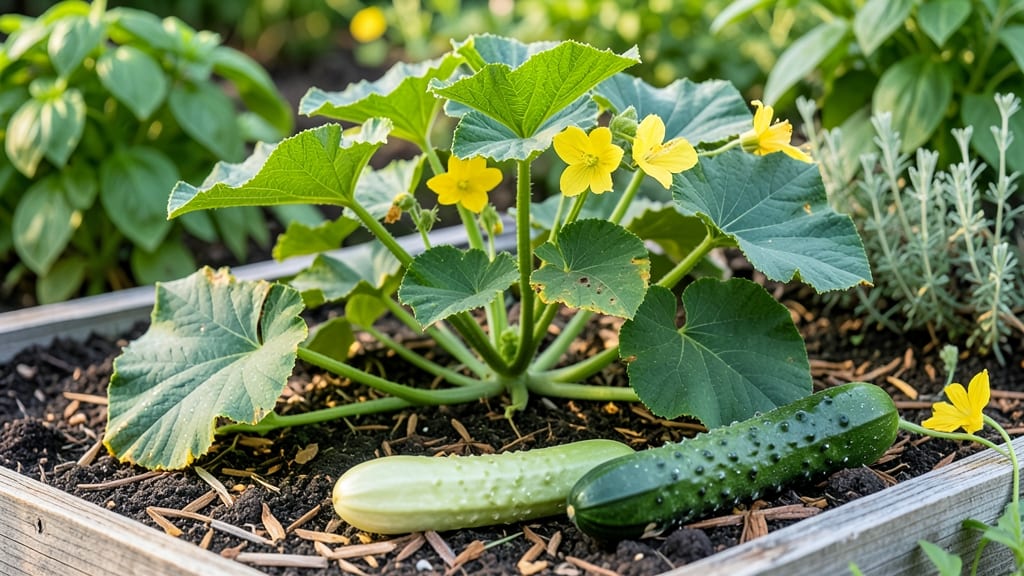
Your cucumbers turning white isn’t a death sentence—it’s a signal to act fast. 🌱 The most common culprits are powdery mildew, premature ripening, or stress from too much sun or water. I’ve seen this happen in my own garden, and fixing it is easier than you think.
Start by checking the leaves for that telltale white powder (mildew) or waxy sheen (sunburn). Prune affected areas immediately, adjust watering to morning-only, and add shade cloth if the sun is too harsh. Within a week, you’ll see a comeback—or at least know what’s really going on.
📚 In This Guide
- What you need
- Instructions
- Tips and common mistakes
- Wrapping up and next steps
What you need
- ● White or pale cucumbers – The star of the show! Pick a few affected ones for inspection.
- ● Garden gloves – Protect your hands from dirt, pests, or potential irritants (latex or nitrile work great).
- ● Pruning shears or sharp scissors – For safely trimming affected vines or leaves (sterilize with rubbing alcohol first!).
- ● Magnifying glass or handheld loupe – Helps spot tiny pests, mold, or damage up close.
- ● pH testing kit – A soil pH meter (or test strips) to check if your soil is too alkaline (pH > 7.0).
- ● Watering can with a fine rose nozzle – For gentle, targeted hydration (avoid overhead spraying if fungal issues are suspected).
- ● Neutral pH soil amendment – Like sulfur (for lowering pH) or lime (for raising it), based on your test results.
- ● Fungicide (organic or chemical) – Options like copper fungicide, baking soda spray, or neem oil (for powdery mildew or fungal issues).
- ● Sticky traps or yellow cards – To monitor for pests like aphids or whiteflies.
- ○ Reflective mulch or aluminum foil – Optional but helpful for deterring pests in severe cases.
- ● Digital thermometer/hygrometer – To check humidity levels in your growing area (ideal: 40–70% humidity).
- ● Grow lights or LED bulbs – If you’re growing indoors and suspect light deprivation.
- ● Compost or worm castings – To enrich soil if nutrient deficiency is the culprit.
- ● Food coloring (diluted) – For testing if your irrigation system is clogged (add a few drops to water; if it runs clear, your system’s fine!).
- ● Camera or smartphone – Snap photos of symptoms for easier diagnosis or to share with gardening forums.
Fast fixes for white or pale cucumbers: 3 root causes
Here's how to diagnose and fix pale cucumbers before they turn white—no guesswork, just action.
🌱 Step 1: Check for Calcium Deficiency (Blossom End Rot)
Pale spots or white patches at the blossom end? That's classic calcium deficiency, often called blossom end rot. It starts as yellowing, then turns white and mushy. The problem isn't just lack of calcium—it's uneven watering or poor soil drainage that prevents roots from absorbing what's already there.
First, check your watering habits. Cucumbers need 1-2 inches of water weekly, but they hate inconsistent moisture. If you water heavily one day and skip the next, roots can't keep up. I've seen this happen even with rich soil—watering only when the top inch feels dry throws off the balance. Use a moisture meter or stick your finger in the soil to check deeper.
Add crushed eggshells or a calcium supplement like gypsum to the soil around the base. Don't overdo it—too much calcium locks out other nutrients. For immediate results, mix 1 tablespoon of calcium nitrate into a gallon of water and apply at the base. You'll see improvement within 3-5 days if the issue is calcium-related.
☀️ Step 2: Verify Sunlight Exposure (Not Enough Light)
Leggy vines with pale, white-tinged leaves? Your cucumbers aren't getting enough sunlight. Cucumbers need 6-8 hours of direct sun daily, and anything less causes leaves to stretch and turn pale. I've had this happen even in full sun—shade from nearby plants or structures can block light without you noticing.
Move your plants to a sunnier spot immediately. If you're growing in containers, rotate them a quarter turn every few days so all sides get equal exposure. You'll know you've got it right when leaves turn deep green and vines grow sturdier. For indoor growers, supplement with a grow light 6-12 inches away for 12-14 hours daily.
Watch for white powdery mildew on undersides of leaves—this often appears when plants are stressed from insufficient light. If you see it, prune affected leaves immediately and spray with a mix of 1 tablespoon baking soda, 1 quart water, and a drop of dish soap. Reapply every 7-10 days until the issue clears.
💧 Step 3: Rule Out Overwatering or Poor Drainage
White, mushy spots on cucumbers or yellowing leaves with white edges? You're likely overwatering. Cucumbers hate soggy roots—when soil stays too wet, roots suffocate and can't absorb nutrients properly. This leads to pale, white-tinged growth as the plant struggles to function.
Check your soil drainage first. Stick your finger 2 inches deep—if it feels damp after 24 hours, you're overwatering. Cucumbers need soil that's moist but not soggy. Amend heavy clay soil with 2-3 inches of compost to improve drainage. For container growers, ensure pots have drainage holes and use a lightweight potting mix designed for vegetables.
Water deeply but less frequently—aim for 1 inch per week, letting the top 1-2 inches of soil dry out between waterings. If your cucumbers are already pale from overwatering, reduce watering immediately and let the soil dry out completely before resuming. You'll see leaves perk up within 2-3 days if the issue was moisture-related.
✂️ Step 4: Inspect for Pests or Disease (White Spots)
Actual white spots or fuzzy white growth on leaves or cucumbers? That's not nutrient-related—it's powdery mildew or spider mites. Powdery mildew starts as white powdery patches, while spider mites leave tiny white webbing between leaves. Both thrive in humid conditions and can turn your entire plant pale as it fights the infestation.
First, isolate the affected plant to prevent spreading. For powdery mildew, spray with a homemade remedy of 1 tablespoon neem oil, 1 teaspoon baking soda, and 1 quart water. Reapply every 5-7 days until the white fuzz disappears. For spider mites, blast leaves with water to dislodge them, then spray with 1 tablespoon insecticidal soap per quart of water. Repeat every 3-4 days for 2 weeks.
Prevent future outbreaks by improving air circulation around plants—space them 12-24 inches apart and prune foliage to allow sunlight to reach the center. Water in the morning so leaves dry quickly, and avoid overhead watering, which encourages fungal growth. You'll know you've won when new growth appears vibrant green and free of white residue.
Tips & tricks for reviving pale cucumbers
Here's how to turn things around quickly when your cucumbers start looking washed out.
Diagnose Before Treating: Before jumping to solutions, identify the exact cause of your cucumbers' pale appearance. In Step 1, check for calcium deficiency by looking for white patches at the blossom end—this is classic blossom end rot. In Step 2, examine the leaves for leggy vines and pale undersides, which signal insufficient sunlight. Step 3's white, mushy spots or yellowing edges point to overwatering, while Step 4's fuzzy white growth confirms pests or disease. Each problem requires a different fix, so accurate diagnosis saves time and effort.
Quick Calcium Boost: If you suspect calcium deficiency from Step 1, act fast! While the instructions recommend crushed eggshells or gypsum, I've found that a liquid calcium nitrate solution works fastest. Mix 1 tablespoon calcium nitrate into a gallon of water and apply directly to the soil at the plant's base. You'll notice improvement in just 3-5 days—that's how quickly cucumbers respond when calcium is properly absorbed. For long-term prevention, add 2-3 inches of compost to your soil to improve nutrient availability.
Sunlight Strategy for Containers: Container growers often struggle with uneven sunlight exposure. If your cucumbers in Step 2 aren't getting enough light, try this trick: place your containers on a rotating tray or turn them a quarter turn every few days. This ensures all sides get equal exposure. For indoor growers, position a grow light 6-12 inches away and run it for 12-14 hours daily—this mimics natural sunlight cycles and prevents the pale, stretched growth that comes from insufficient light.
Watering Reset: Overwatering in Step 3 is one of the fastest ways to turn cucumbers pale and mushy. Here's my reset method: stop watering completely for 24 hours to let the soil dry out, then water deeply but only when the top 1-2 inches of soil feel dry. Use a moisture meter if you're unsure—it's worth the investment for container gardeners. For heavy clay soil, mix in 2-3 inches of compost to improve drainage and prevent future issues.
Pro Tips for Why Is My Cucumber White
- Here's how to turn things around quickly when your cucumbers start looking washed out.
- Diagnose Before Treating: Before jumping to solutions, identify the exact cause of your cucumbers' pale appearance.
- Quick Calcium Boost: If you suspect calcium deficiency from Step 1, act fast!
Frequently asked questions
Why is my cucumber plant turning white?
White cucumbers (or pale patches) are often caused by powdery mildew, a fungal disease that thrives in humid, shady conditions. Check the undersides of leaves for white, powdery spots—this is your first clue. Poor airflow or overcrowded plants can also trigger it. Act fast with neem oil or sulfur sprays to prevent spread.
How long does it take for a white cucumber to turn green again?
If the whiteness is due to powdery mildew, it won’t revert to green—it’s a permanent discoloration. However, you can prune infected leaves and treat the plant to stop further damage. For sun scorch (white patches from too much sun), cucumbers may recover in 3–7 days if shaded during peak heat.
Can I still eat a white cucumber?
Yes, but with caution! If the whiteness is from powdery mildew, wash thoroughly before eating (though spores may linger). For sunburn or nutrient deficiency, the cucumber is safe—just focus on fixing the underlying issue. Avoid eating if the flesh is mushy or slimy, as this could indicate rot.
What’s the best way to prevent white cucumbers?
Start with proper spacing (12–24 inches apart) to improve airflow. Water at the base (not leaves) in the morning to reduce humidity. Use resistant varieties like ‘Straight Eight’ or ‘Lemon Cucumber.’ For extra protection, apply a baking soda spray (1 tsp baking soda + 1 quart water + a drop of soap) every 7–10 days.
Is white cucumber a sign of pest damage?
Not directly, but pests like aphids or spider mites can weaken plants, making them more susceptible to powdery mildew (which causes whiteness). Check for sticky residue (aphids) or fine webbing (mites). Treat with insecticidal soap or neem oil if pests are present.
Wrapping up and next steps
If your cucumbers are turning white, don’t panic—you’ve got the knowledge to turn things around! 🌱 Whether it’s powdery mildew, over-ripening, or nutrient deficiencies, quick action can save your harvest. Start by inspecting your plants, adjusting care, and applying the right fixes to keep them thriving.
Now that you’re armed with solutions, take action today! Check your cucumbers regularly, tweak your gardening routine, and watch them bounce back to their vibrant green. Happy growing! 🌿