
Diseases
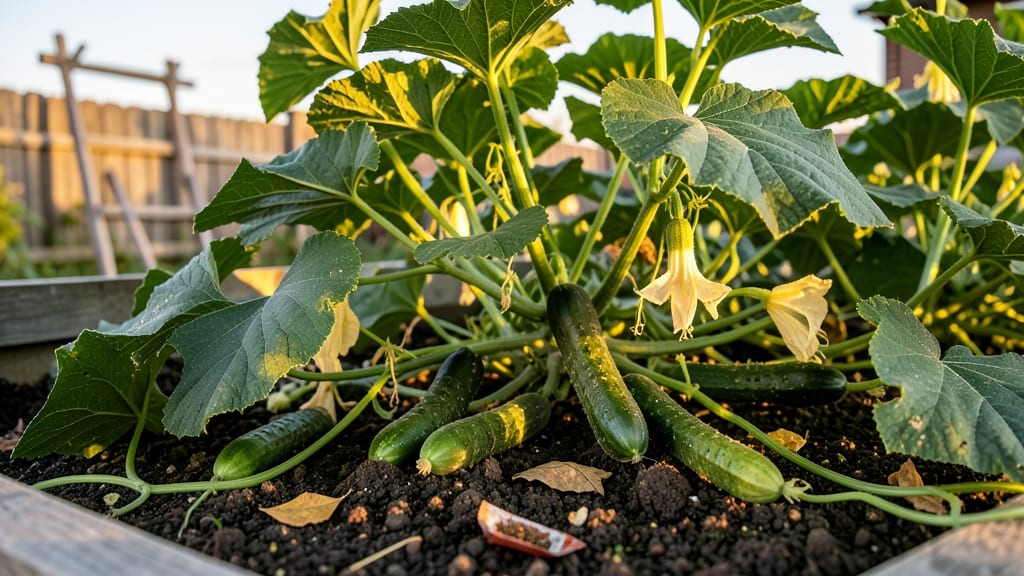
Spots on cucumbers mean your harvest is under attack—whether from powdery mildew, bacterial spots, or even pest damage. 🌱 I’ve battled these ugly blemishes for years, and I’ve learned which organic fixes actually work (and which don’t). The key is acting fast before the spots spread like wildfire.
Those white, powdery patches? Powdery mildew. Tiny, water-soaked brown spots? Bacterial blight. Both ruin fruit quality and weaken vines if ignored. The good news? You can stop them in their tracks with simple, chemical-free methods—like neem oil sprays, copper fungicides, or even a DIY baking soda mix.
I’ve tested them all, and I’ll share exactly what works best for your garden. By the end of this, you’ll know how to identify the problem, treat it organically, and—most importantly—keep your cucumbers spot-free next season. No more sad, blemished fruit; just crisp, disease-free harvests you can be proud of.
Prevention is where the real magic happens. Proper spacing, watering at the base (never overhead), and rotating crops every few years cuts down on future outbreaks. Let’s get those vines healthy again!
Cucumber Spots Unmasked
Understanding why your cucumbers develop those unsightly spots is half the battle—and the first step to saving your harvest. These blemishes rarely appear by accident; they’re usually a direct response to environmental stress, microbial invaders, or even your own gardening habits.
Below, we break down the top culprits behind cucumber spots, complete with the science behind them and what triggers their appearance.
Fungi thrive in warm, damp conditions, making cucumber plants prime targets. The most common fungal diseases causing spots include:
- Powdery Mildew 🍄 - What happens? A fine, white or gray powdery coating appears on leaves, stems, and fruit, eventually turning brown or black in severe cases. - Why? The fungus (Podosphaera xanthii or Golovinomyces) spreads via wind or splashing water, especially in high humidity (75%+) and poor air circulation.
It loves temperatures between 60–85°F (15–30°C)—perfect for most growing seasons. - Actionable clue: Spots start as yellow patches on the upper leaf surface before turning powdery. Fruit may develop sunken, dark spots where the fungus penetrates.
- Downy Mildew 🌧️ - What happens? Yellow, angular spots on the top of leaves (like a puzzle piece) with fuzzy gray mold on the undersides.
Fruit may develop oily, brown lesions. - Why? Caused by Pseudoperonospora cubensis, this fungus requires free water (like morning dew or overhead irrigation) to germinate.
It’s worse in cool (60–75°F / 15–24°C) and wet conditions. - Actionable clue: Check the leaf undersides for mold—this is your first sign before fruit spots appear.
- Anthracnose 🔥 - What happens? Dark, sunken, target-shaped spots with concentric rings on fruit and leaves. Infected areas may ooze in wet conditions. - Why? The fungus (Colletotrichum orbiculare) survives in soil and plant debris, splashing onto healthy plants via rain or overhead watering.
It’s most aggressive in hot (80–90°F / 27–32°C) and humid climates. - Actionable clue: Spots often appear near the stem end of cucumbers, where moisture lingers.
Bacteria don’t just cause spots—they stain and rot cucumbers from the inside out. Here’s how they strike:
- Bacterial Leaf Spot 🌿 - What happens? Small, water-soaked spots with yellow halos that enlarge into dark, irregular lesions with greasy edges.
Fruit develops scabby, raised bumps. - Why? Caused by Pseudomonas syringae or Xanthomonas campestris, bacteria enter through wounds (like insect bites or hail damage) and spread via splashing water.
They thrive in warm (75–85°F / 24–30°C) and wet conditions. - Actionable clue: Spots often oozes bacterial fluid when wet—this is a dead giveaway.
- Bacterial Fruit Blotch 🍉 - What happens? Oily, dark spots that enlarge and crack open the cucumber skin. Infected fruit may rot prematurely. - Why? Acidovorax avenae or Burkholderia bacteria infect through flower or stem wounds, especially after heavy rain or overhead irrigation.
They’re worse in high-nitrogen soils (which weaken plant defenses). - Actionable clue: Look for watery, translucent spots that turn brown—common near the fruit’s blossom end.
Not all spots are caused by pathogens—sometimes, it’s Mother Nature playing tricks on your plants:
- Sunscald & Heat Stress ☀️ - What happens? White or yellow patches that turn brown and leathery on cucumbers exposed to direct sunlight.
Spots may appear raised or sunken. - Why? Cucumbers are shade-loving—too much sun (especially in hot afternoons) causes cell damage from excessive light and heat.
Thin fruit skins (common in overcrowded plants) are extra vulnerable. - Actionable clue: Spots often appear on the sun-facing side of cucumbers and may blister before hardening.
- Hail or Physical Damage ❄️ - What happens? Irregular, bruised spots that darken over time. Damaged areas may rot if bacteria or fungi invade. - Why? Hail, strong winds, or even careless harvesting create entry points for pathogens.
Weakened tissue can’t resist infections. - Actionable clue: Look for jagged edges or dents—unlike fungal spots, these lack a powdery or oozy texture.
- Water Stress (Over/Under-Watering) 💦 - What happens? Blotchy, yellow spots from overwatering (root rot) or dull, wrinkled patches from drought stress. - Why? Cucumbers need consistent moisture—too much drowns roots, while too little stresses the plant.
Both scenarios weaken immunity, making spots more likely. - Actionable clue: Check the soil moisture—if it’s muddy or bone-dry, your plants are signaling distress.
- What happens? Small, dark spots that spread into large, necrotic patches, especially on lower leaves and fruit. - Why? Stagnant air (from overcrowding or dense foliage) traps humidity and moisture, creating the perfect fungal buffet.
Poor airflow also delays drying, giving pathogens more time to colonize. - Actionable clue: Spots often start near the plant base or in shady, enclosed areas where airflow is blocked.
- Calcium Deficiency 🧀 - What happens? Blossom-end rot (dark, sunken spots at the stem end) or leathery, spotted patches on fruit. - Why? Calcium helps cell wall strength—without enough, cucumbers develop weak spots that crack or rot.
Common in sandy or acidic soils where calcium leaches away. - Actionable clue: Spots start small and watery, then harden into brown, leathery patches.
- Magnesium Deficiency 🌱
- What happens? Interveinal chlorosis (yellowing between leaf veins) that turns brown and necrotic in severe cases.
- Why? Magnesium is key for chlorophyll production—deficiency stresses plants, making them susceptible to secondary infections.
- Actionable clue: Older leaves yellow first, then develop crinkled, spotted edges.
- Cucumber Beetles 🐞
- What happens? Ragged, chewed spots on leaves and fruit, often with silver streaks (scarring from feeding).
- Why? Beetles transmit bacterial wilt (Erwinia tracheiphila) while feeding, causing vascular spots that turn black and mushy.
- Actionable clue: Look for tiny holes and yellowing wilting—a sign of bacterial wilt spreading.
- Spider Mites 🕷️
- What happens? Stippled, yellow spots (like pinpricks) that worsen into bronzed or necrotic patches.
- Why? Mites pierce cells to feed, causing stress spots that become entry points for fungi.
- Actionable clue: Check leaf undersides for fine webbing—a mite infestation red flag.
Spots on cucumbers are never random—they’re symptoms of a deeper issue. By identifying the shape, color, and location of
Quick Fixes for Healthy Cucumbers
Spotting unsightly marks on your cucumber vines can feel like a setback, but the good news is that most issues have simple, organic solutions. Below, we’ve mapped out cause-specific fixes—plus prevention tips—to help you restore your plants to peak health without harsh chemicals.
Let’s get those cucumbers back on track!
Fungal diseases like powdery mildew or downy mildew often cause spots, but you can fight back with natural fungicides and better airflow.
🍄 Remove and Replace Infected Leaves
- 🔪 Snip off spotted or yellowing leaves with clean scissors.
- 🗑️ Dispose of them in the trash (not compost) to prevent spread.
- 🌿 Prune nearby foliage to improve air circulation—fungi thrive in damp, crowded spaces.
💧 Spray with Baking Soda or Neem Oil
Mix 1 teaspoon baking soda + 1 quart water + a drop of dish soap (as a surfactant) and spray every 7–10 days for powdery mildew.
For downy mildew, use neem oil (1 tbsp per quart of water)—it disrupts fungal spores naturally.
🌡️ Prevent Future Outbreaks
- ✨ Water at the base (not overhead) to keep leaves dry.
- 🌿 Space plants 18–24 inches apart for better airflow.
- 🌱 Rotate crops yearly to avoid soil-borne fungi.
Pests like cucumber beetles or aphids leave chewed spots and can transmit diseases. Here’s how to evict them:
🕷️ Handpick or Use Soapy Water
- 👨🍳 Early morning, check leaves for beetles or aphids.
- 🧼 Spray with soapy water (1 tsp mild soap per quart of water) to suffocate them.
- 🕸️ Set up yellow sticky traps to catch flying pests.
🌿 Introduce Beneficial Insects
- 🐞 Ladybugs and lacewings eat aphids—buy them online or attract them with dill or fennel nearby.
- 🐝 Plant marigolds as a natural repellent for beetles.
🛡️ Protect Young Plants
- 🧶 Use row covers (lightweight fabric) until vines are established.
- 🌱 Interplant with basil or nasturtiums to deter pests.
If spots look dry and crispy (not mushy), your cucumbers may be sun-scorched or nutrient-deficient.
🌞 Provide Shade Cloth
- 🏖️ Install shade cloth (30–50%) if temps exceed 90°F (32°C).
- 🌿 Train vines to grow upward (on trellises) to avoid direct ground heat.
💧 Water Deeply and Evenly
- 💦 Water early morning (before 10 AM) to reduce evaporation.
- 🌱 Mulch with straw to retain moisture and cool roots.
🍅 Boost Soil Nutrition
- 🌱 Add compost or worm castings before planting for balanced nutrients.
- 💪 Side-dress with fish emulsion (diluted) if leaves look pale.
If spots don’t fit the above categories, check for nutrient deficiencies, overwatering, or poor drainage.
📊 Diagnose with a Soil Test
- 🧪 Test pH (ideal: 6.0–6.8 for cucumbers).
- 💡 Amend soil with lime (to raise pH) or sulfur (to lower it) if needed.
🚰 Fix Drainage Issues
- 🏗️ Raise beds or add sand/perlite to heavy clay soil.
- 🌧️ Avoid soggy soil—cucumbers hate "wet feet."
🌱 Rotate Crops & Clean Up
- 🔄 Don’t replant cucumbers in the same spot for 3+ years.
- 🧹 Remove old vines at season’s end to prevent disease buildup.
Pro Tip: 💡 Keep a garden journal! Note when spots appear, weather patterns, and treatments—it’ll help you spot trends next season. With these fixes, your cucumbers should bounce back stronger than ever. Happy growing! 🌿
Frequently asked questions
Why do my cucumbers have white powdery spots?
Those white spots are likely powdery mildew, a common fungal disease that thrives in humid conditions. The powdery coating appears first on leaf surfaces, then spreads to stems and fruit. Prune infected leaves immediately and spray with a baking soda solution (1 tsp baking soda + 1 quart water + a drop of dish soap) every 7-10 days.
Can I still eat cucumbers with spots?
It depends on the spots! Mild fungal spots (like powdery mildew) on the outside are usually safe to eat after washing, though they may affect texture. Bacterial spots or oozing lesions mean the fruit is compromised—discard these immediately. Always wash all cucumbers thoroughly before eating, even if they look clean.
How can I prevent spots from appearing next season?
Prevention starts with proper spacing (18-24 inches apart) for airflow and watering at the base (never overhead). Rotate crops yearly, remove old vines at season's end, and use row covers for young plants. Add compost before planting to boost soil health and plant marigolds nearby to repel pests.
What's the difference between fungal and bacterial spots?
Fungal spots often appear powdery (like mildew) or fuzzy (like downy mildew) and spread slowly. Bacterial spots are usually water-soaked with yellow halos, ooze when wet, and spread rapidly. Fungal spots respond to fungicides, while bacterial spots require copper-based sprays and removing infected plants immediately.
Will neem oil really work on cucumber spots?
Yes! Neem oil is effective against powdery mildew, downy mildew, and even some bacterial issues when used early. Mix 1 tablespoon neem oil per quart of water with a drop of dish soap, and spray every 7-10 days at dusk. It disrupts fungal spores and deters pests, but must be reapplied after rain. Always test on a small leaf first!