
Size
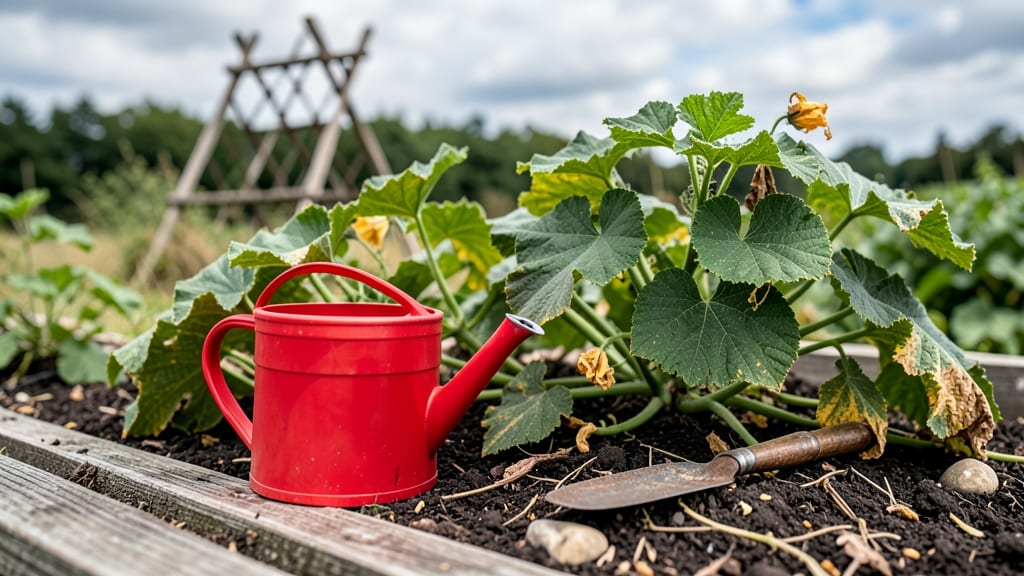
Why are my cucumbers dying before they grow—until I uncovered the sneaky rot sabotaging my garden’s potential? 🌱 The problem? Too much love (water) in the wrong way, turning soil into a suffocating swamp where seeds drown before they grow.
Most gardeners overwater without realizing it, and cucumbers—with their shallow roots—are especially vulnerable.
Root rot starts with black, mushy stems at the soil line and a foul, sour smell when you pull back the mulch. The seeds might sprout but collapse within days, or you’ll see seedlings wilting even when the soil feels damp.
My first clue was the moldy crust on top of the soil—nature’s way of saying, "Stop smothering them!" The fix isn’t complicated, but it requires a shift from "water daily" to "water wisely."
Here’s the game-changer: soil tests and drainage tweaks. Amend heavy soil with perlite or compost to create air pockets, and water only when the top inch feels dry.
Raised beds or containers help, too—cucumbers thrive when their roots aren’t sitting in a bathtub. Within a week, you’ll see strong, upright seedlings instead of collapsed messes.
This method works for both in-ground and container gardens, and it’s the same trick I use for tomatoes and peppers. The key is patience: cucumbers bounce back faster than you’d expect once the soil breathes. Let’s turn those sad little seeds into a bountiful harvest.
Root Causes Behind Wilted Cucumbers
Cucumbers are fast-growing, high-yield plants—but when they fail to thrive, it’s usually due to a mix of environmental stress, poor soil health, or unseen pests.
Before you pull out your hair (or your cucumber vines), let’s break down the real reasons your plants are struggling before they even get a chance to grow. Understanding these causes is the first step to saving your harvest.
---
Cucumbers hate soggy feet. When soil stays too wet, roots suffocate from a lack of oxygen, leading to root rot (often caused by Pythium or Phytophthora fungi). This weakens the plant’s ability to absorb water and nutrients, causing wilting and eventual death.
Why it happens: - Compacted or clay-heavy soil traps excess moisture, preventing roots from breathing. - Overwatering (especially without drainage) drowns roots, creating anaerobic conditions where harmful microbes thrive. - Lack of organic matter reduces soil porosity, worsening water retention issues.
💡 Pro Tip: Test your soil’s drainage by digging a hole, filling it with water, and timing how long it takes to drain. If it takes more than 2 hours, amend with compost, perlite, or coarse sand to improve airflow.
---
Fungal diseases like downy mildew (Pseudoperonospora cubensis) and powdery mildew (Erysiphe cichoracearum) attack young cucumber leaves, stunting growth and causing premature death. Bacteria like Erwinia (which causes soft rot) can also invade through wounds, turning stems mushy and black.
Why it happens: - High humidity + poor airflow creates the perfect breeding ground for fungi. - Reusing contaminated soil or garden beds without rotation spreads pathogens. - Overhead watering keeps leaves damp, encouraging spore germination.
🔍 Look for these signs: - Yellow, crinkled leaves (downy mildew) - White powdery residue (powdery mildew) - Black, oozing stems (bacterial rot)
💡 Pro Tip: Space plants 3–4 feet apart for airflow, water at the base (not leaves), and apply copper fungicide or neem oil preventatively.
---
Cucumber seedlings are vulnerable to cutworms, aphids, and flea beetles, which chew roots, stems, and leaves. Even a few bites can cripple a young plant’s ability to photosynthesize or absorb water.
Why it happens: - Lack of row covers leaves seedlings exposed to pests. - Weedy or unkempt garden beds attract pest populations. - Nighttime feeders (like cutworms) go unnoticed until damage is severe.
🐜 Common culprits: | Pest | Damage Signs | Solution | |-------------------|--------------------------------|---------------------------------------| | Cutworms | Cleanly severed stems at soil level | Use collars (cardboard rings) or Bt spray | | Aphids | Sticky residue, curled leaves | Blast off with water or use soapy spray | | Flea beetles | Tiny holes in leaves | Apply diatomaceous earth or row covers |
💡 Pro Tip: Inspect plants early in the morning when pests are sluggish. Handpick larger pests or use beneficial nematodes for soil-dwelling larvae.
---
Cucumbers are warm-season crops (ideal temps: 70–90°F). Too much heat or cold shocks the plant, halting growth or causing sunscald (white, crispy patches on leaves) or chilling injury (yellowing, stunted stems).
Why it happens: - Late spring/early fall planting exposes seedlings to frost or cool nights. - Intense afternoon sun (especially in plastic pots) overheats roots. - Sudden temperature swings stress the plant’s vascular system.
🌡️ Ideal conditions: - Daytime: 70–90°F - Nighttime: Above 50°F - Soil temp: At least 60°F for germination
💡 Pro Tip: Use black plastic mulch to warm soil in spring or shade cloth (30–50%) during extreme heat. Avoid planting until all frost risk has passed.
--- Cucumbers are heavy feeders and need balanced nutrients (especially nitrogen, phosphorus, and potassium). Deficiencies like lack of magnesium (yellowing between leaf veins) or zinc (stunted growth) can kill seedlings before they mature.
Why it happens: - Fresh soil without amendments lacks organic matter for slow-release nutrients. - Over-fertilizing with nitrogen (e.g., too much manure) burns roots. - pH imbalances (ideal: 6.0–6.8) lock out essential nutrients.
📊 Common deficiency symptoms: | Nutrient | Deficiency Signs | Fix It With | |--------------|-------------------------------|-------------------------------------| | Nitrogen | Pale yellow leaves | Compost tea or blood meal | | Phosphorus | Dark green leaves, weak roots | Bone meal or rock phosphate | | Potassium | Brown leaf edges | Wood ash or banana peel tea | | Magnesium | Yellow between veins | Epsom salt (1 tbsp/gal water) |
💡 Pro Tip: Do a soil test before planting. If pH is off, adjust with lime (to raise pH) or sulfur (to lower pH). Side-dress with balanced fertilizer (10-10-10) at planting and again when vines start running.
Fix Your Cucumber Plants Now
Watching your cucumbers wither before they even sprout is heartbreaking—but don’t toss those seeds just yet! Root rot and other early-stage issues are often reversible with the right care.
Below, we’ve mapped out practical, step-by-step fixes for each common cause, plus pro tips to keep your plants thriving. Let’s turn this around!
---
Signs: Yellowing leaves, mushy stems, foul-smelling soil, or seedlings that collapse like wet paper.
How to Fix It: 🔥 Stop Watering Immediately – Let the soil dry out completely for 2–3 days. Overwatering is the #1 killer of young cucumbers. 🍳 Repot in Fresh, Well-Draining Soil – If the roots are mushy or black, gently remove the plant, trim any damaged roots with sterilized scissors (dip in rubbing alcohol), and repot in a clean container with a mix of: - 60% potting soil - 30% perlite or coarse sand - 10% compost (for nutrients) 👨🍳 Upgrade Your Pot – If using containers, switch to one with drainage holes (or drill them yourself!). Terracotta pots help wick away excess moisture. ⏰ Adjust Your Watering Routine – Water only when the top 1–2 inches of soil are dry. In hot climates, this might mean every 2–3 days; in cooler weather, every 4–5 days. Use a moisture meter if you’re unsure.
Prevention Tips: ✨ Test Your Soil – A simple DIY test: Grab a handful of soil. If it clumps tightly when squeezed and doesn’t crumble, it’s too dense. Amend with sand or coconut coir. 💡 Mulch Like a Pro – Apply 2–3 inches of straw or shredded leaves around plants to regulate moisture and prevent soil splash (which spreads disease). 🌡️ Water at the Right Time – Early morning (6–8 AM) is ideal. Avoid evening watering, as damp leaves invite fungal infections.
---
Signs: White, black, or powdery spots on leaves/stems; fuzzy growth; leaves curling or dropping prematurely.
How to Fix It: 🔥 Prune the Problem Areas – Use sterilized pruners to cut off infected leaves/stems 1 inch below the damage. Dispose of them in the trash (not compost!). 🍳 Apply a Fungicide – Mix 1 tsp baking soda + 1 quart water + a few drops of dish soap (as a surfactant). Spray every 7–10 days for prevention. For severe cases, use a copper-based fungicide (follow label instructions). 👨🍳 Improve Airflow – Space plants 12–18 inches apart and stake or trellis cucumbers to keep them off the ground. ⏰ Water at Soil Level – Use a soaker hose or drip irrigation to avoid wetting leaves. If you water overhead, do it early in the day so leaves dry quickly.
Prevention Tips: ✨ Rotate Crops – Never plant cucumbers (or squash/melons) in the same spot two years in a row. Fungal spores linger in the soil! 💡 Solarize Your Soil – For stubborn fungal issues, cover bare soil with clear plastic for 4–6 weeks in hot sun to kill pathogens. 🎯 Strengthen Plants Naturally – Feed with compost tea or fish emulsion every 2 weeks to boost immunity.
---
Signs: Holes in leaves, chewed stems, tiny white/yellow bugs, or wilting despite proper watering.
How to Fix It: 🔥 Handpick the Pests – For cucumber beetles or aphids, spray plants with a strong stream of water to knock them off. Drop them into soapy water (1 tbsp dish soap + 1 gallon water). 🍳 Use Row Covers – If pests are flea beetles or cabbage worms, drape fine mesh fabric over seedlings until they’re established (remove when flowers appear to allow pollination). 👨🍳 DIY Sprays – Mix 1 tsp neem oil + 1 tsp castile soap + 1 quart water. Spray every 3–5 days (test on a small leaf first). ⏰ Introduce Beneficial Bugs – Release ladybugs or lacewings (available at garden centers) to eat aphids naturally.
Prevention Tips: 💡 Interplant with Repellents – Grow nasturtiums, marigolds, or basil near cucumbers to deter pests. 🌡️ Check the Undersides of Leaves – Pests love hiding there! Inspect daily for early signs. ✨ Clean Up Debris – Remove fallen leaves and weeds where pests hide.
---
Signs: Slow growth, stunted seedlings, or leaves turning crispy/brown (too hot) or yellow/mushy (too cold).
How to Fix It: 🔥 Move to the Right Spot – Cucumbers thrive in 70–90°F soil temps. If your garden is too cold: - Use black plastic mulch to warm the soil. - Start seeds indoors 2–3 weeks before the last frost, then transplant after soil reaches 60°F. 🍳 Protect from Heat Stress – If temps exceed 90°F, provide shade cloth (30–50%) during peak afternoon sun. 👨🍳 Test Soil pH – Cucumbers prefer 6.0–6.8 pH. Use a soil test kit and amend with lime (to raise pH) or sulfur (to lower pH) if needed.
Prevention Tips: 💡 Choose the Right Variety – Some cucumbers (like ‘Straight Eight’) tolerate heat better than others. Check seed packets! 🌡️ Extend the Season – Use row covers in early spring or cold frames in fall to keep plants happy longer.
--- Final Pro Tip: 🎯 Patience is key! If your plants are severely damaged, they may not recover—but new seedlings can be started in fresh soil within days. Don’t give up—your garden’s comeback story is just beginning!
Frequently asked questions
Why do my cucumber seeds sprout but collapse immediately?
This is usually a sign of root rot or overwatering. Cucumber seeds need well-draining soil—if the soil stays soggy, roots suffocate. Check for black, mushy stems at the soil line and a foul smell. Let the soil dry completely for 2–3 days and repot in fresh soil with perlite or sand to improve drainage.
Can I save seedlings that look wilted but aren’t dead?
Yes! First, stop watering and let the soil dry out. If the roots are firm (not mushy), trim any damaged parts with sterilized scissors and repot in fresh, well-draining soil. Keep them in bright, indirect light and water only when the top inch of soil feels dry. Most seedlings bounce back within 3–5 days if the roots are still healthy.
What’s the fastest way to test if my soil is too compacted?
Do the squeeze test: Grab a handful of moist soil and squeeze it tightly. If it holds its shape like clay and doesn’t crumble when you tap it, your soil is too dense. Amend with coarse sand, perlite, or coconut coir to improve airflow. For severe compaction, consider raised beds or containers with fresh potting mix.
Are there cucumber varieties that resist early-stage rot?
Yes! Look for disease-resistant varieties like ‘Straight Eight’ or ‘Marketmore 76.’ These hybrids are bred to tolerate common fungal diseases and root rot. Always check seed packets for Pythium resistance or downy mildew resistance (marked as "DM" or "PR"). Starting with healthy seeds reduces your risk by 50%.
How do I know if my cucumbers are dying from pests vs. disease?
Pests leave physical damage like chewed leaves, holes, or visible bugs (e.g., aphids, cutworms). Diseases show as discoloration, mold, or oozing stems (e.g., powdery mildew, root rot). Check the undersides of leaves for pests or soil at the base for fungal growth. If you see both, prioritize fixing drainage first, then treat pests with neem oil.